The budget aims to stimulate investment and create sustainable jobs, with a focus on rural development and the agriculture sector.
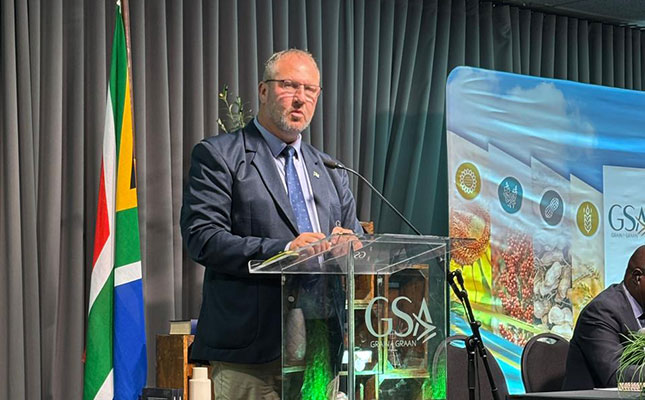
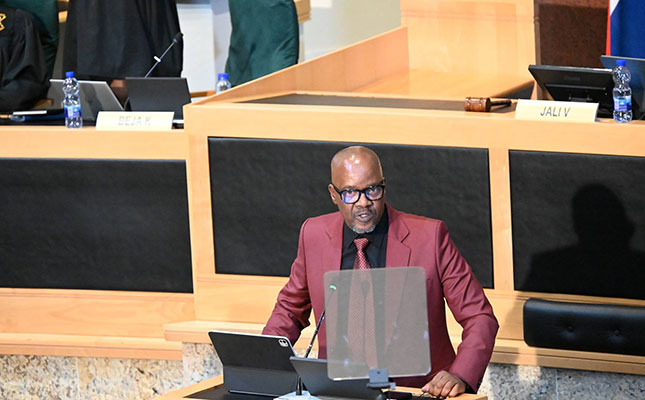
In his address, Mvoko outlined a strategy combining targeted financial allocations with policy measures designed to strengthen small, medium, and micro enterprises (SMMEs), co-operatives, and informal traders.
To this end, R119,9 million has been allocated to the Eastern Cape Development Corporation for the 2026/27 financial year, with total funding of R352,7 million over the next three years under the medium-term expenditure framework (MTEF).
Complementing this, the Eastern Cape Economic Development Fund will receive R50 million in 2026/27 to support strategic projects across sectors, including industry value chains and funding for SMMEs. These measures aim to provide smaller enterprises with the capital and support needed to grow, create jobs, and contribute to the province’s economy.
Agriculture remains central to the Eastern Cape’s development agenda. Mvoko said the sector contributes not only to rural development and food security but also drives employment across the province. Thus, the provincial Department of Agriculture has been allocated R2,7 billion for 2026/27, with total funding of R8,2 billion over the MTEF period.
Close to R1 billion of this will go to core agricultural programmes, including production support, food security, veterinary services, and skills development:
- R132,2 million for producer support, aimed at assisting farmers with inputs, infrastructure, and technical guidance to improve productivity;
- R246,4 million for food security programmes, ensuring vulnerable communities have access to affordable and nutritious food;
- R474,9 million for veterinary services, including R55,2 million for livestock vaccines and medical supplies to protect animal health and reduce disease-related losses; and
- R196 million for agricultural education and training, equipping farmers and rural communities with skills to strengthen their capacity and commercial viability.
To accelerate agricultural commercialisation, the Department of Agriculture, Eastern Cape Rural Development Agency, and Land Bank have signed a memorandum of agreement (MoA). The MoA provides R97 million in grants and R103 million in blended loan finance to support black producers entering agricultural value chains, promoting broader participation in the sector and inclusive growth.
Mvoko explained that these allocations are part of a broader provincial strategy to link rural producers with commercial markets, boost their productivity, and strengthen the agriculture sector’s resilience.
He added that by supporting production and skills development, the province aims to create a sustainable framework for rural economic growth while addressing historical disparities in access to resources and markets.
Further policy details will be presented in MEC for Agriculture Nonceba Kontsiwe’s policy speech on 24 March 2026.