Latest articles
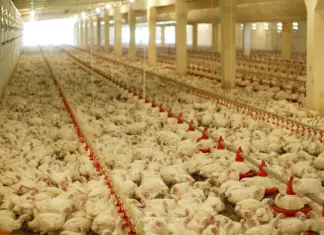
Building stronger biosecurity on poultry farms
Effective poultry biosecurity is built on layers of protection, with each one helping to keep pathogens away from birds. Disease prevention starts long before anyone enters a chicken house and there are strict checklists and controls poultry pro-ducers can put in place across the farm to reduce disease risk.
From bush control to Savanna stud breeding
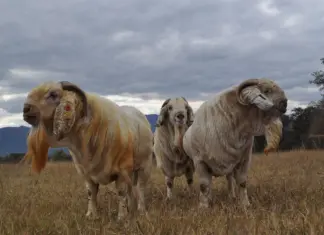
What began as an effort to control bush encroachment has developed into a registered Savanna goat stud near Thabazimbi in Limpopo. Owner of the Anton Barnard and Son stud Anton Barnard, tells us about the history of the stud and how the Savanna fares in an area known for high tick loads and demanding bushveld conditions.

Layers or broilers: choose the business before the bird
Broilers offer a short production cycle, while layers provide a regular stream of eggs, but neither guarantees easy profits. Feed, markets, infrastructure, and management can quickly erode margins. Farmers need to know not only what it costs to produce a bird or egg, but exactly how they will sell it before investing.
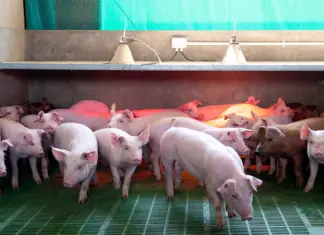
Pig welfare and farmers’ profitability find common ground
Opening the doors of a commercial piggery to a group of NSPCA inspectors could make any farmer apprehensive. But when inspectors visited Taaibosch Piggery to conduct training for NSPCA staff, the exercise offered both sides an opportunity to test perceptions against what was actually happening inside a farm.

Safi Savanna: Breeding a Savanna that can work and win
The Savanna is a white South African meat goat breed developed for hardiness, fertility and strong maternal traits, and selected to produce under extensive veld conditions. Le Roux Buckle runs his Safi Savanna stud according to those same principles. He spoke to Henning Naudé about the breeding decisions, production figures and market thinking behind a stud run largely off natural veld.

‘A well-trained dog is far better at reading sheep than we are’
When Mark Trollip started farming sheep in Swellendam, Western Cape, he knew moving his flocks would be easy. A veteran sheepdog trainer, he’s competed in sheepdog trials for the better part of 30 years with 12 different dogs. He talks about his passion for sheepdogs and the role they play on his farm.
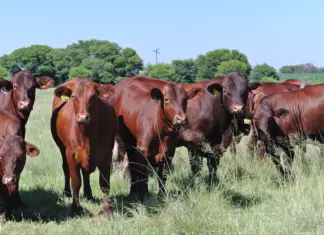
Red Rock builds a modern Santa from family foundations
Third-generation breeder Abri Lock established Red Rock Santa Gertrudis to build a stud under his own name. Working alongside the Locklore and JADUP herds, he selects moderate-framed, fertile cattle that must produce saleable kilograms from the veld. He spoke to Hanlie du Plessis.

Small Benro stud sets its sights on genetic excellence
A small, highly selected herd and an uncompromising focus on genetics underpin Benro Santa Gertrudis beef cattle stud near Biesiesvlei in North West. Henro Pieterse and his father, Hennie, are breeding functional, adaptable cattle that perform under challenging conditions.

Building a profitable indigenous goat enterprise
Starting with only 20 breeding females and one male in April 2024, Leon Lourens and his partners have grown their indigenous veld goat enterprise LGL Farming Co outside Pretoria to about 148 animals. Their experience shows that understanding customers and building relationships can be just as important as increasing production.

Choose the Dohne Merino for tough times, says farmer
In the Overberg, Potberg Dohnes proves why the versatile Dohne Merino excels. Renowned for mothering ability, high lambing rates, and fine wool, this tough breed delivers maximum profitability during difficult seasons.

Adaptability remains the Nguni’s greatest strength
As livestock producers contend with rising input costs, climate uncertainty, and increasing disease pressure, adaptability is becoming one of the most sought-after traits in beef production, says Limpopo veterinarian and Nguni breeder Dr Pierre Bester.
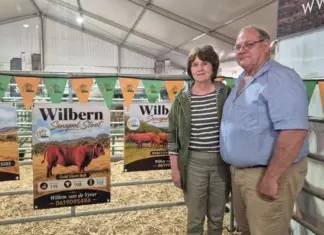
Climate change could make Senepol a winner for the Western Cape
An Eastern Cape stud farmer told Farmer’s Weekly at Nampo Cape 2026 that he believes the changing climate in the Western Cape could make the Senepol an attractive option for red meat producers contending with harsh, dry summers and rising feed costs.
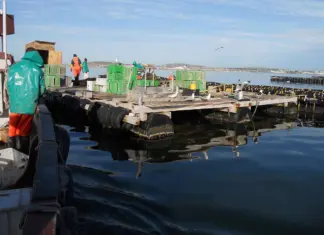
The state of SA’s small-scale aquaculture
Despite South Africa’s long coastline and strong fishing tradition, aquaculture remains underdeveloped, with its greatest successes concentrated in Western Cape marine production.
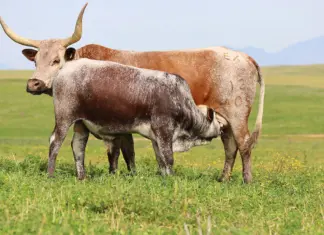
The Nguni keeps outperforming expectations
Lochner Eksteen spoke to Clayton Swart on why he believes the Nguni breed's diversity, adaptability and efficiency continue to set it apart.

Building a profitable Santa Gertrudis herd starts with fertile, efficient cows
The Santa Gertrudis story at Tregenna began in 1974, when Justin Fyvie’s grandfather imported cattle from Texas in the US. Five Star Santa Gertrudis now continues that breeding legacy with an emphasis on fertility, functionality and moderate cow size.
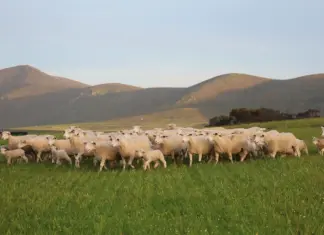
Vredesig Dormers built on the principle that quality always trumps quantity
Johnny Forbes, owner of the Vredesig Dormer stud in the Renosterveld of the Darling district in the Western Cape, breeds superior quality, strong, fertile, structurally correct, highly productive sheep that perform optimally under all possible farming systems in South Africa.

The doctor who chose Nguni cattle
A demanding medical career led Dr Oswald Jannasch to seek cattle that could thrive with minimal intervention. The owner of the Matla Nguni Stud, and established cattle breeding farm near Polokwane in Limpopo, believes the indigenous breed is ideally suited to extensive beef production.

Why Nguni cattle stood out during FMD
When foot-and-mouth disease (FMD) affected cattle at ZZ2 farms, its Nguni animals appeared to fare better than several other breeds. Clayton Swart hears how the experience reinforced ZZ2's confidence in the breed's genetics and sparked a research collaboration aimed at understanding why.
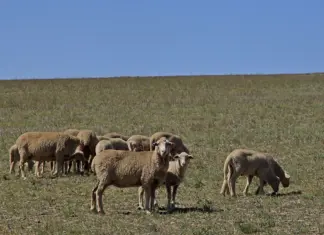
Five checks that could save sheep from costly losses
A dirty tail, pale eyelid or swollen jaw may be the first warning that parasites are already eating into a flock’s health and profitability. By the time sheep lose condition or start dying, the problem may have become far more difficult and expensive to control.

Aquaponics offers a practical solution for farming with less water
Dr Ntobeko Mchunu, a researcher in the Agronomy Division at the Agricultural Research Council, spoke to Octavia Avesca Spandiel about how aquaponics is helping farmers produce more food while using significantly less water.