Latest articles
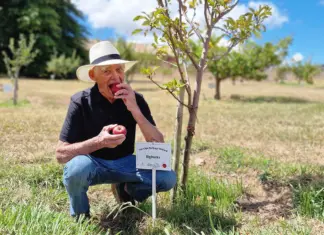
Wine, apples, and the art of ageing very well
Pomologist, former wine columnist, and inveterate collector Buks Nel has spent a lifetime exploring wine, apples, and much more. Pieter de Waal visited him for Cap Classique, conversation, and a taste of patience.

Sponsored
Agrico and Absa team up to make centre pivot finance more accessible
A new partnership between Agrico and Absa makes it easier for qualifying clients to finance Agrico centre pivot irrigation systems, including pipelines, pumps, sprinklers, and automation.
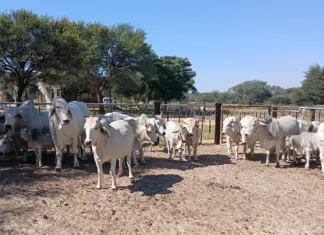
Namibia’s agricultural future lies beyond beef
Dr Salomo Mbai, director of the Agricultural Trade Policy Institute at the Namibia University of Science and Technology, spoke to Clayton Swart about the opportunities he believes could shape Namibia’s next agricultural frontier.

Sponsored
Finance built to keep the pace
John Deere Financial structures flexible solutions around your farm’s cash flow, seasonal cycles, and growth plans. Pair your agricultural expertise with financial structures built to keep pace with your operation.

Beyond honey: How beekeepers can diversify their income
Diversifying beyond honey can help beekeepers build more resilient businesses. Robyn Joubert speaks to two beekeepers about building businesses around bees through value-added hive products, pollination services, training and apitourism.
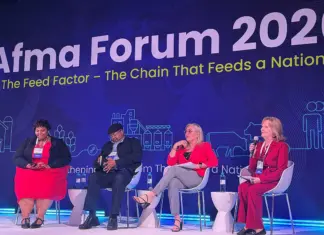
Antimicrobial resistance poses a risk to animals and humans
The three-day Animal Feed Manufacturers’ Association Forum 2026 held at Sun City brought together leaders and stakeholders from across South Africa’s animal feed and agricultural value chain, discussing collaboration, industry engagement, biosecurity, and how to adapt for the challenges of the future.

Confronting the realities that drive the feed value chain
The 12th Animal Feed and Manufacturer’s Association (AFMA) Forum, focusing on the theme: ‘The feed factor ¬– the chain that feeds a nation,’ brought together a record number of delegates from across the feed and food value chain.
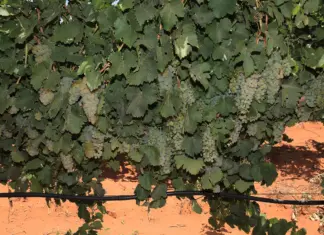
What SA’s most profitable wine farmers get right
Vinpro’s latest cost guide shows that long-term profitability is less about cutting costs than making every vineyard decision count. Yolandi Botha, an agricultural economist at Vinpro Agricultural Economic Service, spoke to Glenneis Kriel about this.

The cold chain: agriculture’s missing profit link
Lowering field temperature as soon as possible after picking, along with better on-farm cooling and storage, can help farmers protect quality, retain market options, and reduce post-harvest losses of fruit and vegetables.
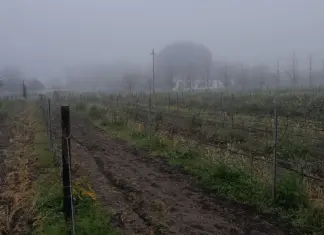
New and alternative grape varieties: dare to drink different
Driven by climate change and shifting consumer tastes, South African winemakers are embracing heat-tolerant, disease-resistant alternative grape varieties. Explorations at nurseries like Bosman Adama show how these novel cultivars secure sustainable viticulture.

Family flower business captures large part of Brazilian market
Quality, consistency, and partnership are three important pillars that a flower business in Brazil is attributing their success to. Joost Kalanchoe, a business based in Holambra, has been specialising in the greenhouse production of potted Kalanchoe and Euphorbia milii. These flowers are sold on the flower auction in Holambra.

Breede River Valley: grape growers of grit and glory
‘The flood showed us the worst of nature, but it also showed us the very best of people.’ Pieter de Waal spoke to several farmers and winemakers affected by the floods.

Young Brazilian coffee farmer rewrites the rules of coffee production
Brazilian coffee producer Luka Delpasso is adding value to the family business by producing, roasting and marketing specialty coffee while farming in harmony with nature. Quality, sustainability, and innovation are at the heart of the enterprise.

Spier: from early pioneer to modern powerhouse
Established in 1692, Spier Wine Farm in Stellenbosch blends its historic Cape heritage with modern, award-winning winemaking. Today, it stands as a global leader in regenerative agriculture, art, and tourism.

Sponsored
Solar efficiency: adopting a phased approach to energy management
Vencor Holdings, an integrated meat producer based in Polokwane, Limpopo, recently completed the latest phase of an extensive solar and battery installation aimed at reducing its exposure to rising electricity costs while improving supply security. Ruan Erasmus, CEO at Vencor Holdings, and Connor Northing, chief technical officer at SunRanch Solar, spoke to Henning Naudé about the hybrid energy strategy behind the project.

Bruce Jack: international winemaker of magic and mystery
Bruce Jack has become one of the Cape’s most influential winemakers, recently claiming, for the sixth time, a top spot in the annual Drinks International ‘The World’s Most Admired Wine Brands’.

Sponsored
Protecting South African crops from frost and weeds
By creating a favourable microclimate around crops and blocking sunlight from reaching seed weeds, Spunchem International’s products help growers improve yields, reduce production risks, and increase profits.

Buying a cow as an investment: what crowd-farming really means
Crowd-farming allows investors to buy physical assets like cattle or crops, managed by professional farmers. While offering tangible alternatives to traditional markets, these ‘living investments’ are tied to biological and market realities, requiring a deep understanding of agricultural risks and long-term commitment.
Cobus du Plessis reports on the advantages and risks associated with this type of investment.

Building water resilience at Le Arc
Amid mounting pressure on water resources, and climate change expected to intensify extreme weather events such as droughts, heatwaves and floods, agricultural business Six33 Produce has taken proactive steps to strengthen its water resilience. Corné Oosthuizen shared how the farm is adapting with Glenneis Kriel.
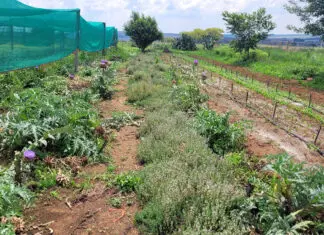
Diversity and direct marketing drive a small farm’s success
On a small piece of land in Bronkhorstspruit, Gauteng, Alan and Belinda Stewart have built a diversified enterprise that produces vegetables, eggs, and cheese, taking their harvest directly to customers through a farmer’s market and home deliveries. Their journey offers lessons in diversification and building demand, proving that even a modest footprint can yield a sustainable livelihood.