
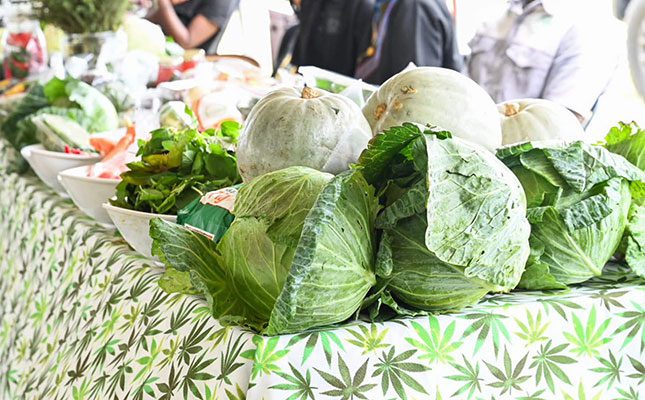
The latest ban, announced on 8 December by the Ministry of Lands and Agriculture, affects a wide range of fresh produce and has raised concern among agricultural and trade experts.
The move comes after Botswana gradually removed its earlier bans in two phases. Phase 1, which began in December 2024, reopened imports of turmeric, pumpkin, sweet potatoes, green peas, sweet corn, broccoli and baby marrow, and phase 2, in April this year, allowed the return of beetroot, onions, potatoes, tomatoes, garlic, ginger and other vegetables.
Ban reverses progress
However, the new notice reverses much of this progress, placing these products back on the restricted list.
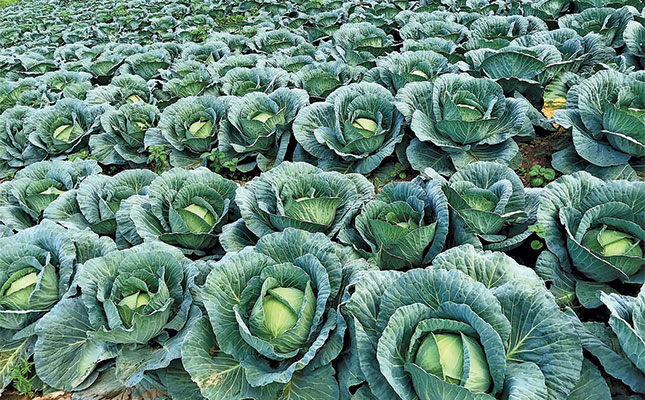
According to the notice issued by the ministry, imports of tomatoes, potatoes, white cabbage, red cabbage, white onions, red onions, watermelon, green papaya, beetroot, carrots, lettuce, strawberries, ginger, red and yellow peppers, garlic, and butternut are now prohibited “until further notice”.
In the notice, the government said the aim is to support domestic production, which it believes has improved sufficiently to meet local needs.
Industry experts disagree with ban
In his commentary on the matter, Agbiz chief economist Wandile Sihlobo said Botswana’s repeated use of sudden bans, dating back to 2021, undermines regional trade stability within the Southern African Customs Union (SACU).
“I sympathise with supporting local farmers,” he said. “But I am uneasy with the drastic policy changes, with minimal consideration for regional ambitions.”
Sihlobo said while SACU allows members to impose import restrictions for issues such as plant health or national security, Botswana’s bans do not appear to meet those criteria.
He added that the inconsistency creates uncertainty for South African producers who supply fresh produce across the region.
“South Africa’s response must be sensitive but firm. Having hostile neighbours will not benefit any of these countries’ citizens. After all, people primarily want affordable, accessible and safe food. Botswana could therefore close the market in specific windows to boost domestic production and should clearly communicate this to South Africa. The South African producers would then fill specific windows when gaps occur in these markets.”
Sihlobo said that for long-term planning, it would be helpful if neighbouring countries informed South Africa which agricultural products they consider sensitive or linked to national security, and which ones they intend to prioritise for domestic production in the coming years.
“Importantly, these import bans should not be perpetual but have time limits once Botswana’s producers have restarted their industries and can compete in open markets with South Africa.
“The growth or desire to expand agricultural production in other countries also has a positive spillover effect on South African agribusiness, which can supply farm implements and inputs to them. Botswana should remain open and not hostile in this respect.”
Sihlobo said South Africa has benefitted significantly from exports to the African continent.
“For example, in our record agricultural exports of US$13,7 billion (about R230 billion) in 2024, the African continent accounted for roughly 40% of the destinations. This figure has been the same for the past decade. For every dollar of agricultural products South Africa exports to the African continent, 90c are traded within the Southern African region. Thus, an engagement with this region on the export ban must recognise that South Africa, as a country, depends heavily on the Southern Africa region.
“In essence, we must ensure that SACU works for all and that South African industries don’t become disadvantaged by poor policy communication in the region,” he said.
Global trade advisory consultant Kgothatso Nkgadima of XA Global Trade Advisors told Farmer’s Weekly the ban is economically and agriculturally unsound.
She said because only 3% of Botswana’s land is arable, the country has long depended on imports to ensure food security.
She added that local production is unlikely to replace South African imports in the short term, leading to higher food prices that will have the opposite effect than that intended by government.
Report finds bans push up veg prices
Furthermore, a December 2024 Econsult report ‘The Impact of Botswana’s Vegetable Import Ban’ also found that previous bans pushed vegetable prices up by 24%, hitting low-income households the hardest.
“Restrictive trade measures should be avoided. Rather than picking a fight with the country’s largest trading partner, efforts should be made to benefit from regional co-operation, for instance by attracting foreign direct investment into the horticulture sector, technology transfer, and effective management of out-grower schemes by retailers. Trade should be viewed as a facilitator of development, not a barrier. Inevitably, a policy based purely on import substitution will lead to higher prices and reduced living standards for households,” the report concluded.