
The latest official fuel price adjustments published by the Department of Mineral and Petroleum Resources (DMPR) show that the petrol price will fall by around 65c/ℓ on Wednesday, 4 February 2026, while diesel prices will decline by between 50c and 57c/ℓ, depending on grade.
This marks the second consecutive month of price reductions at the pumps and brings local prices to levels not seen since early 2022.
The relief comes amid broader economic shifts. A stronger rand against the US dollar, coupled with softer international oil product prices, has helped ease upward pressure from global oil markets.
Although crude oil prices edged higher in January due to geopolitical tensions in the Middle East, these increases were offset by currency gains and higher inventory levels, resulting in a lower contribution to South Africa’s basic fuel price, the DMPR said in a media release.
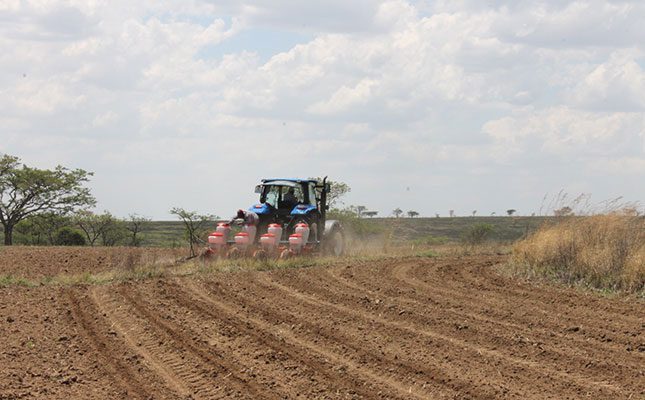
For many in the agriculture sector, fuel represents a substantial and non-negotiable cost. Tractors, irrigation pumps, harvesters, and transport fleets all run on petrol or diesel, and even modest price shifts can influence farm budgets.
According to industry commentators, while the price drop will not transform farm profitability on its own, it offers welcome cash flow relief, especially at a time when farmers are preparing for peak planting and harvest activities.
“Fuel costs account for a notable share of the farmer’s input expenses,” Corné Louw, head of applied economics and member services at Grain SA, told Farmer’s Weekly.
“A reduction of 60c to 65c/ℓ helps on paper, but when fuel accounts for over 10% of operational costs on some farms, every cent counts.”
Historically, diesel consumption during peak fieldwork surges, and even a modest price reduction can mean savings of tens of thousands of rands over a season, he added.
Logistics and transport are also key areas where farmers hope to see knock-on benefits. Speaking to Farmer’s Weekly, Agbiz chief economist Wandile Sihlobo said South Africa’s agricultural supply chain is heavily road-dependent, with an estimated 75% of maize, wheat, and oilseeds transported by truck to silos and markets.
He added that lower diesel prices could ease freight costs, which may eventually help tame stubborn food inflation by reducing distribution costs for merchants and retailers.
However, Sihlobo cautions that this relief may be temporary rather than structural, as fuel prices remain vulnerable to swings in the international crude market, changes in the rand/dollar exchange rate, and geopolitical instability.
He urged farmers to factor future volatility into their budgets and use the current price advantage for operational efficiency rather than expanded spending that might be reversed with future price hikes.
Beyond fuel, other input costs such as fertiliser, seed, and electricity continue to put pressure on farm budgets. While the latest fuel price reduction helps, it is only one piece of a much larger cost puzzle. Longer-term relief for the sector will depend on stable input costs across the board, improved infrastructure, and policies that support agricultural competitiveness.