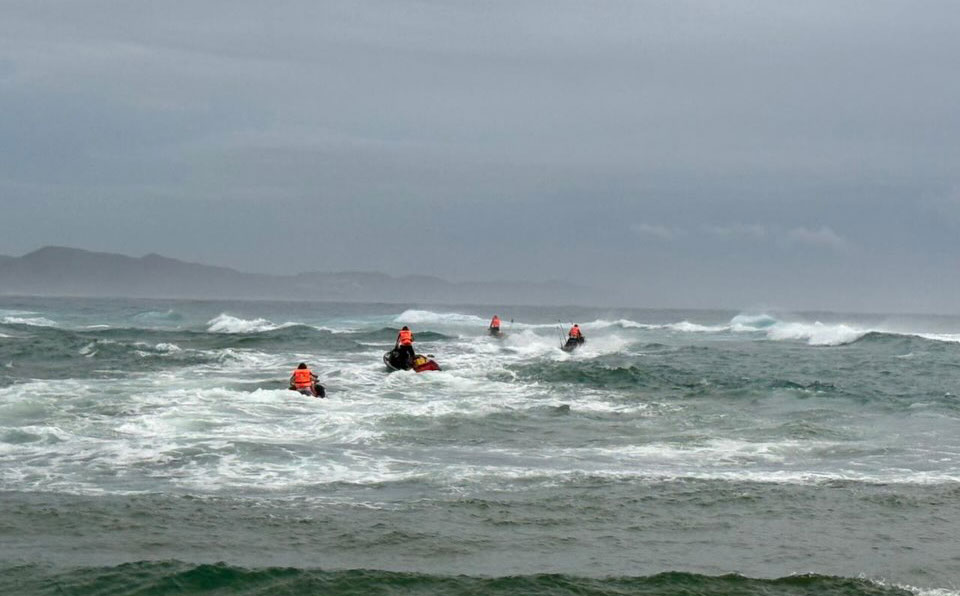

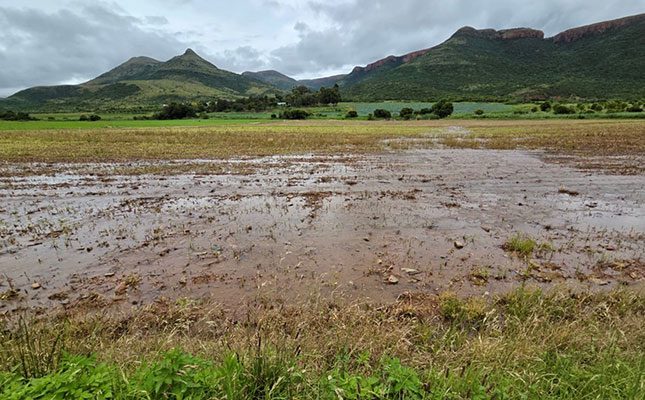
Significant river currents are rapidly moving towards the sea, causing widespread disruption, leaving individuals isolated, and resulting in substantial damage to infrastructure.
Strong disaster-management cooperation praised
According to Deidre Carter, Agri Limpopo CEO, the excellent co-operation between the various bodies involved in disaster management in the province is playing a major role in assisting people and preventing loss of life.
She named Brigadiers Marlize Potgieter and Martin van Staden and acting provincial commissioner of the South African Police Service in Limpopo, Major-General Jan Scheepers, as well as Major Peter Rabie from the Air Force.
“The speed and dedication of their rescue efforts are remarkable. Agri Limpopo, and I believe the entire province, are deeply grateful to them.”
In a press release, Limpopo Premier Dr Phophi Ramathuba emphasised that the state of the flood disaster in several districts is necessitating an urgent and coordinated response involving both provincial and national government resources.
“We have mobilised rescue teams and advise that learners in severely impacted areas should not be compelled to attend school until support is ensured,” Ramathuba said.
Areas most affected by the floods in Limpopo include Maruleng and Ba-Phalaborwa local municipalities, Nkomazi Local Municipality, the City of Mbombela, Bushbuckridge Local Municipality, Greater Giyani, Greater Tzaneen, as well as Greater Letaba and Collins Chabane as well as the Kruger National Park and surrounding areas.
Rainfall exceeds 100-year flood levels
According to Carter, Phalaborwa received more than 700mm of rain since 9 January. Areas such as Tzaneen and Letsitele received just under 400mm of rain during the past week.
“In many areas, the floods are already exceeding the 100-year flood line, and small rivulets changed into rivers spanning 50m in a blink of an eye.”
The combination of very high amounts of rainfall already accumulated over the past several days, and the expectation of further heavy rainfall, means the risk of widespread flooding remains critically high, Carter emphasised.
She adds that it is difficult to ascertain the total impact of the floods at this stage. “We have to wait until the water subsides. We can confirm that infrastructural damage is a reality. Roads were heavily damaged, bridges were swept away and buildings flooded.”
Farmers and citrus industry under pressure
Robert Davel, executive manager of Agri Mpumalanga, said the same situation prevails in areas of Mpumalanga. “We expect more damage as the drenched soil surface can cause even more road damage as well as failure of electricity infrastructure.”
Carter pointed out that citrus farmers especially are heavily impacted by the rain and floods. “The citrus harvesting season is about to start, but due to waterlogging in orchards, harvesting is impossible. Furthermore, in some areas, roads and other infrastructure are badly damaged.”
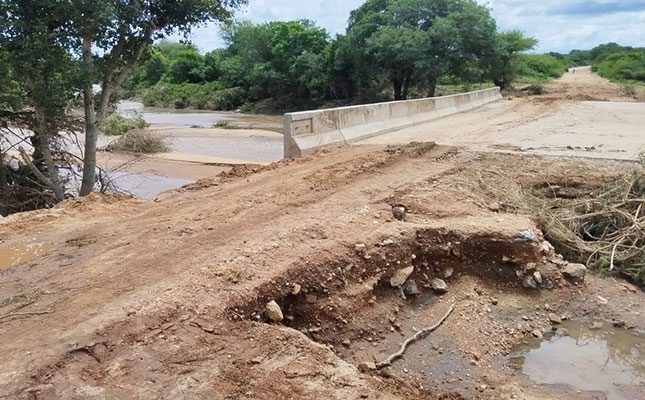
Naomi Excell, CEO of Agri Letaba, said that the heavy rains and floods are causing setbacks with regard to harvest preparations. She stated that while the provincial road infrastructure took a heavy knock, one must also take damage to farm roads into consideration. “Some roads are so badly damaged that staff and farmworkers are unable to reach their place of work.
“But, taking the amount of rain that has fallen and is still pouring down into consideration, at this stage the damage seems to be less than one would expect,” Excell said.
According to Pieter Vorster, director of Mahela Group, which has farming operations in Letsitele, Ohrigstad, Tzaneen and Weipe, farmers are currently unable to spray for citrus black spot because wet orchards prevent equipment from entering. “Due to the heavy rain and saturated soil, irrigation dam walls are also at risk of collapsing,” Vorster said.
Carter invited farmers to contact her if they suspect that dams are about to collapse on their farms. They should provide information on the area and size of the dam.
“Dams that collapse present additional risk in areas already flooded. If we know of these possibilities ahead of time, we will be able to evacuate people and animals at risk.”
In spite of their on-farm challenges, farmers in Mpumalanga and Limpopo are also taking responsibility for the well-being of broader communities. “In many of the affected areas, farmers are helping with the evacuation of people, restoring roads, and assisting communities to get access to homes and schools,” Carter said.
The South African Weather Service’s Red Level 10 warning for disruptive rainfall remains in place over parts of Limpopo and Mpumalanga as the risk of widespread and life-threatening flooding continues to intensify. The warning follows several days of persistent and heavy rainfall that has already saturated catchments, with further downpours expected over the next 24 to 48 hours.
Email Deidre Carter [email protected] or phone on 082 831 9168.