On 3 February, Kouga Local Municipality convened an urgent stakeholder meeting, bringing together local farmers, municipal officials, and representatives from the state veterinarian, Agri Eastern Cape, the Milk Producers’ Organisation (MPO), and key private stakeholders, including Kouga Wind Farm, to assess and coordinate the response.
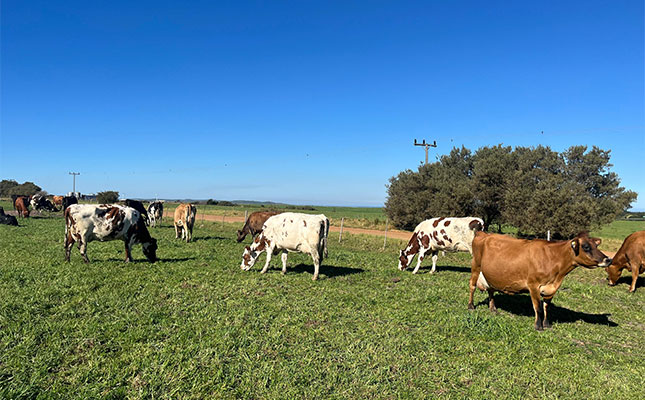
Cattle in Humansdorp, part of Kouga municipality, were tested on 31 January, with roughly 40 showing clinical signs of foot-and-mouth disease (FMD). Laboratory results received on 6 February confirmed the presence of the FMD virus in the Kruistfontein area.
All affected cattle, along with about 100 from surrounding farms, have been moved to designated containment zones.
Speaking to Farmer’s Weekly, Monique Basson, media and communication manager for the Kouga municipality, said: “This is not a situation to underestimate. Animals are not permitted to leave their current locations. Law enforcement will monitor stray livestock, and residents can report roaming animals via the Kouga Call Centre. Farmers must ensure all livestock remain confined at all times to prevent further spread.”
According to a statement from Kouga municipality Mayor Hattingh Bornman, six urgent priorities have been identified to manage the outbreak:
- Securing feed for affected and isolated cattle, with quantities and distribution plans to be confirmed at follow-up meetings.
- Monitoring communal farms to determine if FMD has spread.
- Enforcing strict control of roaming livestock, with law enforcement engaging communal farmers and monitoring high-risk areas.
- Inspecting and repairing fencing, including municipal land and areas near wind farm lines.
- Drafting a joint letter by all stakeholders to national government requesting urgent support and resources.
- Establishing sanitation and biosecurity points at farm entrances and strategic municipal locations.
The municipality has implemented immediate isolation of affected animals, ongoing surveillance, strict vehicle sanitisation, and hygiene protocols for farmworkers. In addition, a dedicated task team will meet daily to coordinate interventions.
Dairy industry at risk
Daan Landman, chairperson of MPO Eastern Cape, said that this case of FMD would be devastating for the dairy industry.
“The 2024 outbreak affected 38 farms directly and another 39 precautionarily vaccinated. Current legislation means that both infected and vaccinated animals are quarantined for a year, restricting trade and movement,” he explained.
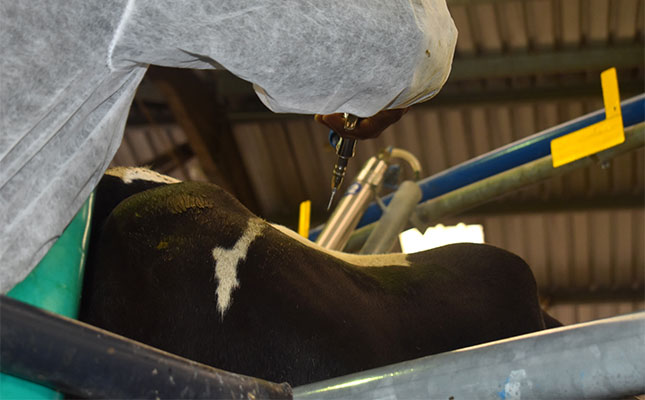
He spoke of the potential of the Turkish DIVA-type vaccine, which allows vaccinated cattle to be distinguished from infected ones.
“If applied correctly, this vaccine could allow dairy herds to be protected without falling under quarantine restrictions. Distribution is expected mid-February, and rapid deployment is possible with proper supervision,” he said.
Landman added that many local farmers said they would not survive a second FMD outbreak, especially after the severe drought that brought the lowest rainfall in 40 years.
FMD and drought threaten livelihoods
Local dairy farmer Rufus Dreyer described the situation as ‘unreal’ and ‘devastating’. He said limited cash flow restricts feed availability, fencing is dilapidated, and free-roaming animals in communal areas increase the risk of disease spread.
“It really feels like we are under attack from all sides. The drought has reduced feed availability drastically, and farms are out of irrigation water. On top of that, a suspected FMD outbreak threatens everything we have been working to rebuild over the past two years,” he said.
“We can only try to reduce our risk by maintaining good animal health, boosting their immune systems, and implementing strict biosecurity measures. Feed is available but unsustainable under these drought conditions and limited finances.”
Dreyer added that existing fencing and access controls, especially near communal grazing areas, are largely ineffective.
“Most areas around towns have poor infrastructure. Dilapidated fences and roaming animals are a major concern. With previous [FMD] outbreaks, we saw minimal impact on beef cattle, but the SAT1 and SAT2 [strains] could be far more serious.”
He called for urgent government intervention: “Government must allow private farmers to source and administer vaccines. I am willing to pay to vaccinate my animals. If the state fails to deliver vaccines, it must accept liability for the losses farmers suffer.”
Landman added that MPO members had proactively maintained biosecurity even before the suspected outbreak.
“We mapped every farm in the Eastern Cape and have continually reminded our 164 dairy producers to implement high levels of biosecurity. Spraying vehicles, limiting access, and hygiene protocols are ongoing. The aim is to buy time until vaccines arrive,” he explained.
Landman said that the 2024 outbreak showed rapid vaccine deployment is possible: farmers, government officials, and technicians vaccinated thousands of cattle across dozens of farms in just three days.
He added that the key is cooperation between government, provincial veterinary services, and farmers: “With coordinated effort, it is possible to protect the dairy industry, but timing and logistics are critical. Every day counts.”