
In the latest data released on 21 January, Stats SA said annual consumer price inflation edged slightly higher to 3,6% in December 2025, from 3,5% in November.
On a month-on-month basis, the consumer price index increased by 0,2%. Despite the uptick in December, average inflation for 2025 was 3,2%, the lowest annual rate recorded in 21 years, Stats SA said.
Meat prices still trending up
Stats SA said meat inflation rose to 12,6% year-on-year, up from 12,2% in November 2025. By comparison, meat inflation was -0,4% in December 2024, highlighting the pace of the increase.
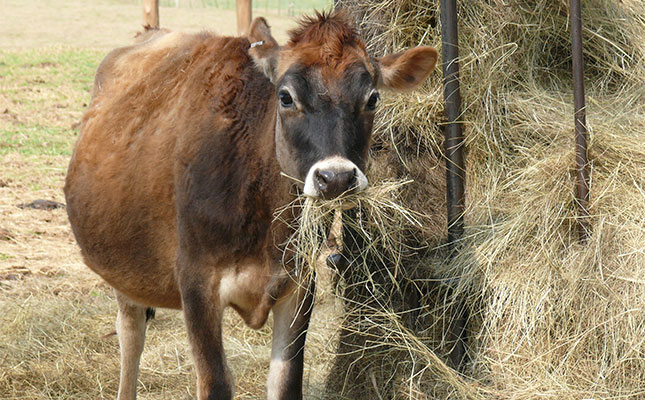
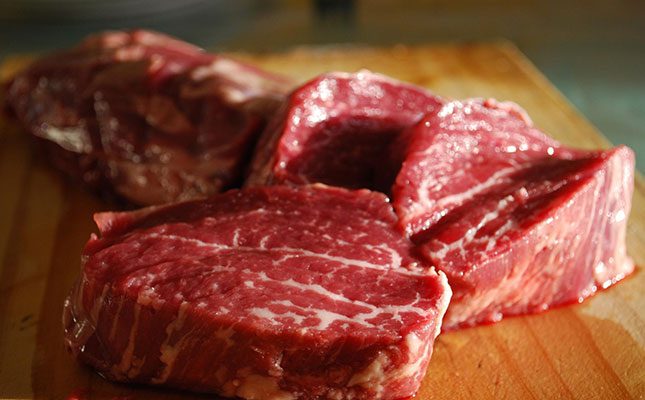
According to Stats SA, beef inflation remained elevated in December 2025, continuing a strong upward trend seen throughout the year. Beef steak showed an annual price increase of 28,4% in November 2025, rising further to 29,4% in December.
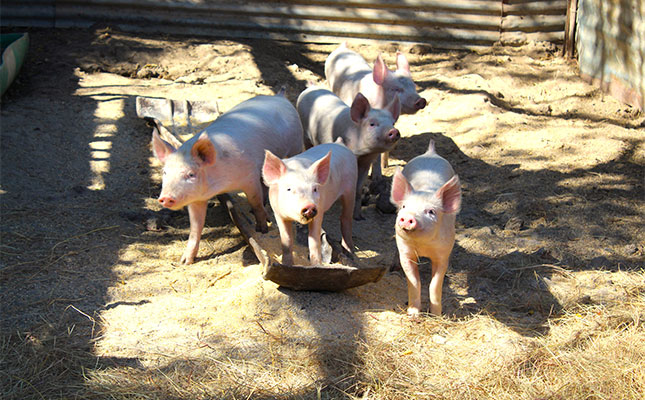
Other red meat products also showed significant increases, with sausage prices accelerating from 18,5% to 19,4%, boerewors from 17,2% to 18,2%, mutton from 13,7% to 15%, and pork from 9,4% to 11,5% from November to December 2025. Stats SA said these increases reflect sustained pressure in the meat category.
Annual inflation trends
On an annual basis (December 2025 compared with December 2024), pumpkin recorded the largest price increase at 30,7%, followed closely by beef steak and stewing beef at 29,4%, beef mince at 28,4%, and sausages at 19,4%.
However, several products became cheaper over the year, with seasonal fruit down 17,6%, potatoes down 14,1%, cabbages 13,1% lower, sweet potatoes down 12,2%, and eggs declining by 8,8%, according to Stats SA.
Month-on-month price movements
On a month-on-month basis (December 2025 compared with November 2025), lettuce showed an increase of 4,5%, followed by sweet potatoes (4,3%), bacon (3%), bananas (2,8%) and pork (2,7%). However, prices eased for several items during the month, including pumpkin (-8,2%), peppers (-6,1%), seasonal fruit (-6%), meat bones (-5,7%) and whole chicken (-4,6%), reflecting mixed price movements across food categories.
Inflation for cereal products also edged higher, rising from 1,7% in November to 2,1% in Decembe,r while several staple items recorded faster price increases.
Brown bread went up from 0,5% to 1%, white bread from 1,3% to 1,7%, and spaghetti from 1,7% to 3,1%.
Maize meal inflation, however, declined for a second consecutive month, easing from 9,9% in November to 9,5% in December, offering some relief to consumers.
The milk, dairy products and eggs category remained in a deflationary state at -1,1%, largely driven by lower milk prices. The annual inflation rate for fresh full-cream milk declined to -1,5% in December, from -1,2% in November.
Cheese, however, continued to buck the trend, with Cheddar prices rising by 9% year-on-year, up from 4,9% in November.
Stats SA said inflation for oils and fats slowed to 4,6% in December, with sunflower oil softening to 6,2% from 6,6% in November. Olive oil prices were 8% lower than a year ago, contributing to the overall moderation in this category.
Economists are optimistic
Commenting on the latest statistics, Agbiz chief economist Wandile Sihlobo said for much of 2025 the primary drivers of the deceleration in food price inflation from
higher levels at mid-year were mainly fruit and nuts, vegetables, meat, sugar, confectionery and desserts.
“The ample supplies, combined with the base effects, are what contribute to the easing of price inflation in these products. Cereal product inflation also remains relatively low on the back of the ample grain harvest in the country. South Africa has an abundant harvest, with the 2024/25 summer grains and oilseed harvest estimated at 20,08 million tons (up 30% year-on-year),” Sihlobo said.
However, he said the key concern remains meat price inflation, which continues to stay at elevated levels.
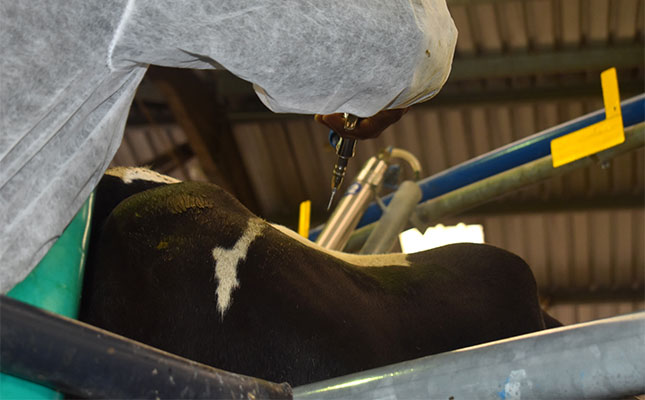
“The foot-and-mouth disease remains a major challenge in the cattle industry, even as vaccination is still underway and will likely gain momentum soon. Typically, during foot-and-mouth disease outbreaks, the country is temporarily closed to some export markets, leading to a drop in consumer prices. But in 2025 we saw the opposite.”
Looking ahead, Sihlobo said food inflation was likely to moderate further in 2026.
“The benefits of lower grain prices, ample fruit and vegetable supplies, and potentially sideways meat prices will continue to be the major drivers of the deceleration in food price inflation in 2026. That said, there is some uncertainty around meat, as foot-and-mouth disease remains a significant challenge in the cattle industry.”
Senior agricultural economist at FNB Paul Makube told Farmer’s Weekly that meat prices in November and December were “just over 12% higher than a year ago, the biggest jump since January 2018”.
“The main driver has been the foot-and-mouth disease outbreak, which disrupted cattle farming and constrained beef supply,” Makube said.
He added that there may be some relief now that the festive season is over and demand is easing.