Reports from Gauteng, North West, the Free State, Northern Cape, and Western Cape indicate that several petrol stations have run out of 50ppm diesel, with disruptions in key agricultural and transport corridors such as Paarl, Saldanha, Beaufort West, and Swellendam.
While the Department of Mineral and Petroleum Resources has reassured the public that overall fuel availability remains secure, the situation on the ground suggests supply constraints are already reaching end users.
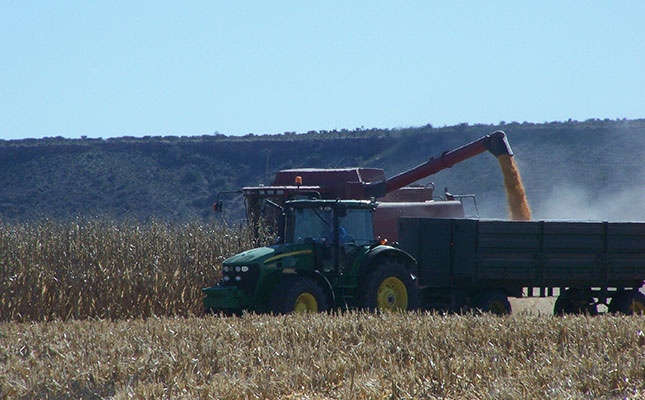
For farmers who rely on diesel for planting, harvesting, and transport, even isolated shortages can have significant consequences.
Industry measures to manage limited supply appear to be contributing to uneven availability. Media reports indicate that fuel companies have introduced controlled allocation systems to prevent stockpiling and ensure fair distribution, but these measures may be causing some service stations to run dry temporarily.
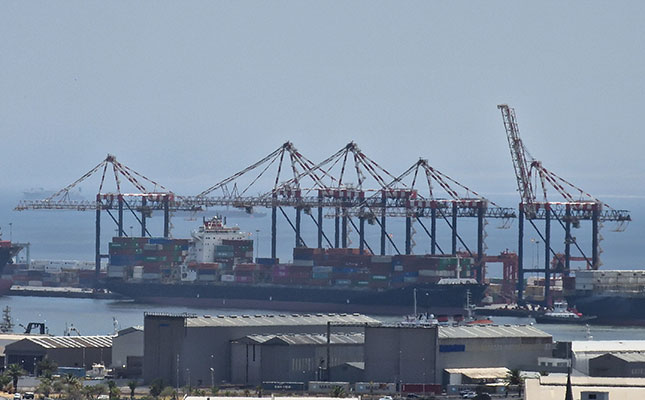
South Africa’s growing reliance on imported refined fuel is increasing the risk. With several local refineries no longer operational, the country is increasingly exposed to global supply chain disruptions. Escalating geopolitical tensions in the Middle East, a key region for oil, have heightened this vulnerability.
Iran’s closure of the Strait of Hormuz, through which roughly 20% of the world’s oil passes, has already pushed up international prices, adding pressure on fuel-importing countries like South Africa.
Power and energy expert Vally Padayachee, a professor at the University of Johannesburg, warns that the situation has created a fragile supply environment.
Speaking to Farmer’s Weekly, he said any further geopolitical escalation could trigger fuel rationing and long queues at filling stations.
At the same time, the financial outlook for fuel users is worsening rapidly. Data from the Central Energy Fund suggests diesel could rise by more than R7/ℓ and petrol by more than R4/ℓ in April, driven by higher oil prices, a weakening rand, and ongoing global instability.
For the agriculture sector, this dual threat of constrained supply and sharply rising costs is particularly worrying. Diesel is a critical input across almost all farming operations, and significant price hikes could put further pressure on already tight margins.
There are also signs that supply constraints are starting to affect bulk users directly. In some rural areas, diesel sales to high-volume agricultural customers are being limited, as reported in the media, although such restrictions are not yet widespread at retail forecourts.
Meanwhile, fears of shortages and impending price hikes are expected to drive increased demand in the short term, as motorists and businesses attempt to secure fuel ahead of April’s anticipated increases. This could further strain distribution systems and contribute to localised shortages.