
According to Statistics South Africa (Stats SA), annual consumer price inflation eased from 3,6% in October to 3,5% in November.
Inflation cooled for transport, recreation, sport and culture, as well as information and communication, but increased for food and non-alcoholic beverages, restaurants and accommodation services, and alcoholic beverages and tobacco.
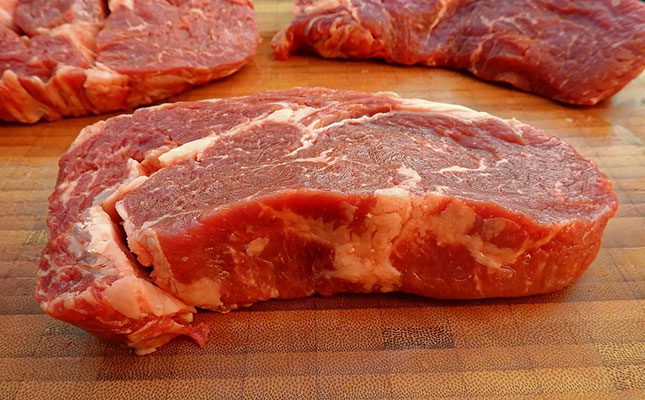
Overall food inflation climbed 4,4% year-on-year. Most notably, meat prices were 12,2% higher in November 2025 than a year earlier, marking the steepest year-on-year increase since January 2018.
Oils and fats increased by 5,2% year-on-year, processed and unprocessed food by 4,5% and 4,2%, respectively, cereal products by 1,7%, fish and other seafood by 3,2%, sugar, confectionery and desserts by 3,4%, and other food by 4%.
It was also bad news for consumers of hot beverages, with inflation in this category climbing 9,3% year-on-year, pushing non-alcoholic beverage inflation to 3,7%.
Alcoholic beverage inflation increased by 4,7% year-on-year, driven by higher prices for spirits and liqueurs (up 3,3%), wine (up 5,5%), and beer (up 4,7%).
Foot-and-mouth disease disrupts beef supply
Paul Makube, senior agricultural economist at FNB Commercial, told Farmer’s Weekly that the main driver of high meat prices was the foot-and-mouth disease (FMD) outbreak that spread across the country this year.
Active FMD outbreaks remain in North West, the Free State, Mpumalanga, Gauteng, the Western Cape, Limpopo and KwaZulu-Natal, which is regarded as the epicentre of the disease.
“Global food prices are actually coming down, with the United Nations reporting a 2% drop compared to a year ago. But here in South Africa, FMD has disrupted cattle farming and beef supplies, making it harder for farmers to get their animals to market,” Makube said.
As a result, beef prices have soared, with sirloin up 37% to R224/kg, rump up 32% to R209/kg, chuck up 29% to R136/kg, and T-bone steak up 29% to R164/kg.
Other meats have not escaped the price hikes. Mutton and lamb loin chops are up 13% to R220/kg, while rib chops increased 13% to R214/kg. Pork chops rose 12% to R100/kg and pork ribs increased 11% to R107/kg. Even chicken, a staple for many households, is nearly 6% more expensive at R101/kg for individually quick-frozen portions.
Makube added that consumers could expect to pay more for meat in coastal provinces, with beef chuck costing about 28% more than last year in the Western Cape, 27% more in KwaZulu-Natal, and nearly 19% more in the Eastern Cape.
He expects meat prices to ease after the festive season when demand typically declines and helps bring prices down.
The outlook may improve further as authorities intensify efforts to contain FMD. Minister of Agriculture John Steenhuisen recently confirmed in a press statement that the Department of Agriculture, together with its Ministerial Advisory Task Team, was implementing a decisive, fact-driven blueprint to combat the disease.
According to the statement, the strategy aims to reduce FMD incidents by about 70% in high-risk areas over the next 24 months.
Vaccination drive expands nationwide
Targets include achieving 90% vaccination coverage in priority animal populations across communal areas, commercial farms and feedlots, as well as 100% vaccination coverage in dairy herds. Certified compartments and progressive vaccination zones will also be established to facilitate safe trade.
Nearly 950 000 animals have already been vaccinated in recent months using government-procured vaccine stock. The vaccination programme is being rolled out in phases, starting in the highest-risk areas before expanding to lower-risk regions. Mass vaccination is set to begin in KwaZulu-Natal and Gauteng from early February, targeting feedlots as well as commercial and communal farmers.
To support the expanded roll-out and ensure sufficient vaccine supply, the Botswana Vaccine Institute has confirmed its ability to supply up to one million vaccine doses per month from mid-January. The Agricultural Research Council (ARC) is also progressing with plans for a mid-scale vaccine manufacturing facility.
While fundraising efforts are still under way, the ARC aims to produce 20 000 multivalent vaccine doses by the fourth quarter of the 2025/26 financial year, increasing output to between 150 000 and 200 000 doses by the first and second quarters of 2026/27.