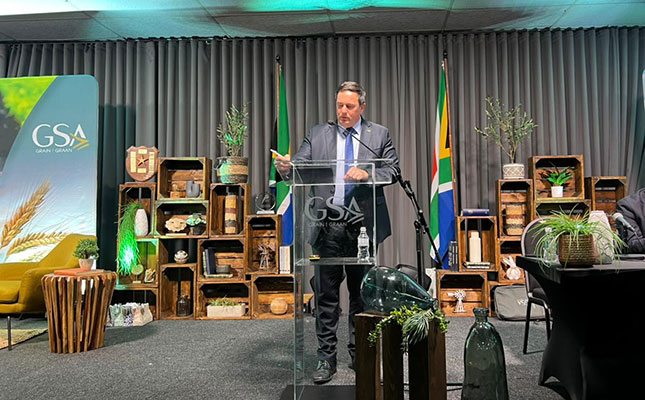
The stylish event was an afternoon of meaningful dialogue, strategic learning, and leadership exchange, effectively bridging academic insight with real-world industry innovation.
The event also served as the closing ceremony for the academy’s two flagship development programmes: the Supervisory Leadership Development Programme, and the Business Skills and Enterprise Development Programme, both presented in collaboration with the Stellenbosch Business School’s Executive Development division and funded by AgriSETA.
Small business success in the spotlight
A key focus of the event was acknowledging small businesses and emphasising the importance of ongoing education under the theme ‘I Matter’.
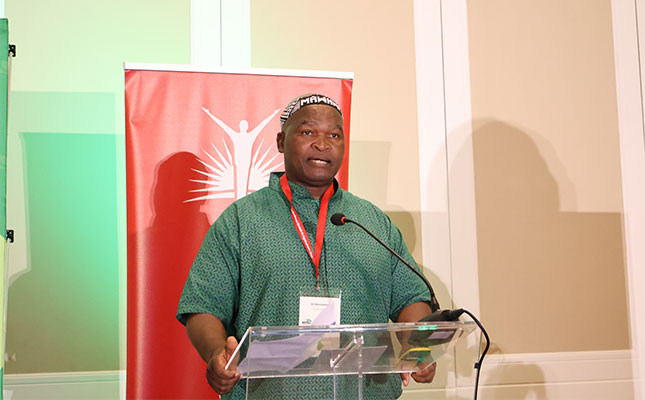
Entrepreneur Retshidisitswe Mfekere, affectionately known as Coach, shared his inspiring journey of building the fast-growing Kwa Coach pork eatery in Soweto.
Coach is renowned for its ‘porkalicious’ meals, particularly the popular eisbein, locally called pork dolo, meaning pork knee. The business, located near Maponya Mall, was launched in 2017 after Coach was retrenched. Today it employs 24 energetic young people.

The eatery operates as a self-sustaining small-to-medium enterprise, selling around 6t of pork per month sourced from reputable suppliers. Remarkably, Coach has no formal marketing strategy and relies entirely on word-of-mouth promotion.
Other speakers contributing their expertise included GG Alcock and Prof Carel van Aardt, research director of the Market Intelligence Research Division at the Bureau of Market Research.
The informal economy: a growing market
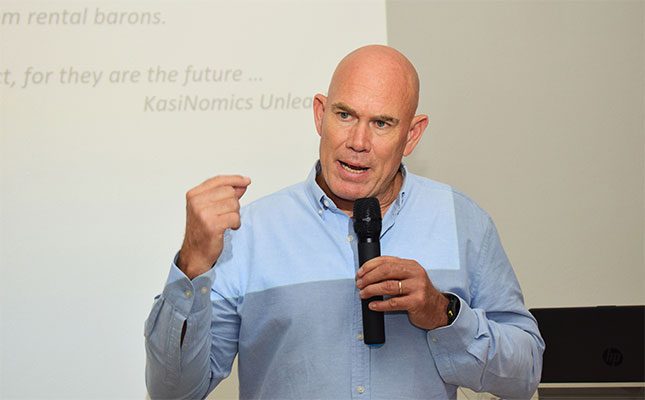
GG Alcock, well-known for his advocacy of kasinomics, offered compelling insight into the informal sector, its dynamics, and substantial buying power. Alcock advises businesses operating in or targeting the informal economy across Southern Africa.
His work provides strategies, route-to-market solutions, and consumer insights for the kasi market, kasi being derived from the Afrikaans word lokasie, referring to townships. Alcock is also a published author and motivational speaker.
Speaking to Farmer’s Weekly, Alcock highlighted significant opportunities for farmers and agribusinesses: “Not many people realise the size of demand in the informal economy, particularly for meat and vegetables.”
He pointed out that the Joburg Market, the largest fruit and vegetable market in South Africa, turns over R8,5 billion per year, and an estimated 60% to 70% of produce sold there is destined for the informal sector, including street hawkers and the rapidly expanding township fast-food industry.
“The sector demands everything from chicken, eggs, beef, pork, the whole range,” he explained.
“The wholesaler chain Roots, which supplies meat to township fast-food outlets, is doing incredibly well.”
He added that the sector represents a major market for both small and large farmers: “A small farmer may even be better positioned to supply this market on demand.
The informal sector doesn’t require the same stringent specifications as retailers like Woolworths or KFC.”
Alcock noted that the spaza sector is growing at 14%, compared to 4,5% growth in the formal supermarket sector, underscoring the scale and momentum of this market.
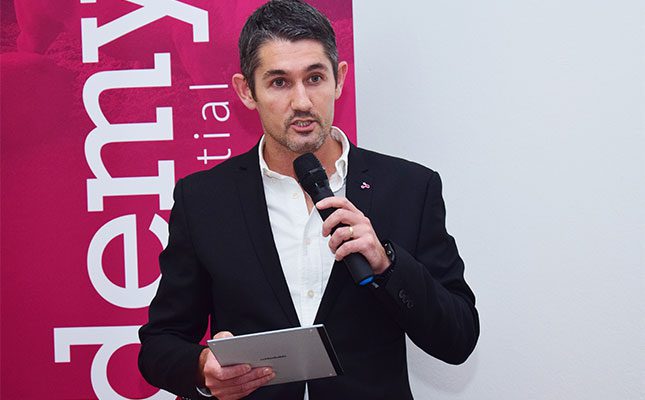
Graduation: celebrating growth and leadership
During the graduation ceremony, Andrew Reeders of Topigs Norsvin South Africa praised the graduates and highlighted the value of investing in people: “One of the greatest investments any organisation can make is the investment in its people. The SAPPO Academy embodies this vision by building the skills, confidence, and leadership capacity that our industry needs for a sustainable future.”
Reeders said the growth observed in their employees, particularly in team leadership and communication, reinforces the importance of continuing their partnership with the academy.
He added: “At Topigs Norsvin South Africa, people development is not a slogan. It is a strategic lever that enables us to remain the leading supplier of pig genetics in Africa. Many team members begin as animal scientists or production specialists, but as they progress, they must be prepared to lead teams, engage senior management, and contribute to strategic business goals. That is why programmes like this are invaluable.”
Top graduates recognised
Hard work and dedication paid off for the two top-performing graduates:
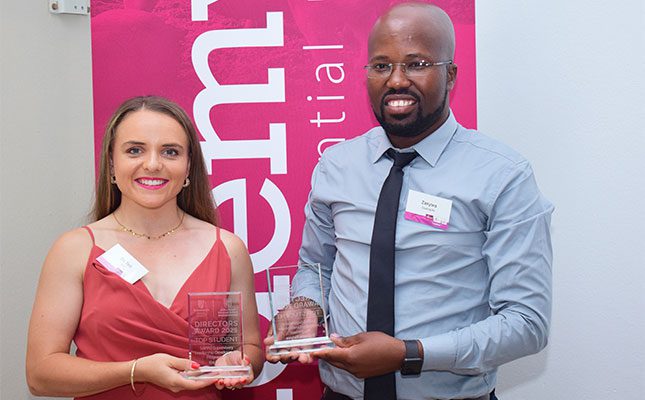
- Elrida du Toit finished top of her class in the Supervisory Leadership Development Programme. She is employed by Red Meat Industry Services as a junior administrator.
- Sivenathi Zanywa, also a graduate of the Supervisory Leadership Development Programme, works at Number Two Piggeries (trading as Chalala) as an assistant grower unit manager. His responsibilities include marketing pigs, placing and managing feed orders, supervising staff in his unit, and acting as second-in-charge when the production manager is absent.