
A significantly better 2024/25 crop supported higher activity in the grain chain, with white maize output expected to increase by 38,4% year-on-year to 8,38 million tons and soya bean by 50% to a record 2,77 million tons, according to the latest estimates from the Crop Estimates Committee.
Total assets rose to R16,045 billion, compared with R13,846 billion in October 2024, on the back of seasonally higher grain inventories financed through commodity facilities. Adjusting for commodity-linked funding, the group said its own capital ratio strengthened from 44,4% in the previous year to 48,2%, improving its ability to fund organic expansion and selective acquisitions.
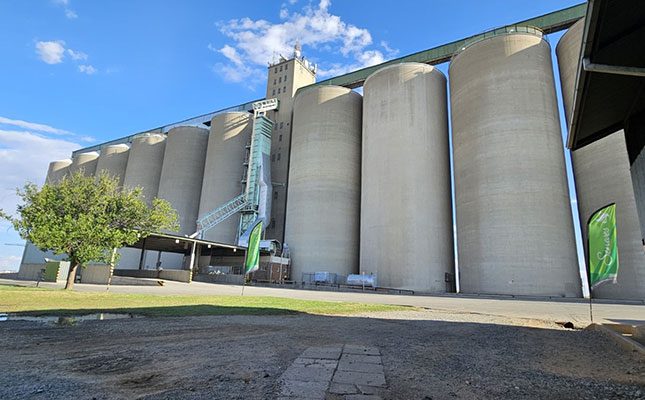
The Market Access division benefitted the most from the larger crop, reporting a 46,5% profit increase driven by a 58,9% rise in grain deliveries and favourable commodity mix. Average stock in storage, however, increased by only 17,5% as heavy rainfall prolonged the season and more grain bypassed traditional channels and went directly to millers.
National maize quality was notably weaker, with only 64,4% graded as first class compared with the more than 90% in a typical year.
The Input Supply division reported a 47,8% uplift, supported by early improvements in the group’s German turnaround efforts, firmer equipment sales, and steady retail and fuel activity.
Falcon Agricultural Equipment, which includes Staalmeester, reported solid turnover, while Hinterland and KLK also benefitted from improved seasonal conditions. Senwes’s acquisition of Trekker en Diesel Oudtshoorn also expanded its equipment footprint.
The German side
In Germany, S&L Connect continued to recover, but the broader market remains sluggish, with economic growth expected at only 0,2% in 2025.
Germany’s 2024/25 grain harvest returned to average levels after two difficult years, although quality was uneven due to drought early in the season, followed by heavy rain.
Farmers in that country continue to grapple with higher input costs, lower commodity prices and tighter sustainability-linked subsidies, but the machinery market has shown tentative signs of stabilisation.
Senwes’s Financial Services and Advice division grew profit by 13,8%, despite a 3,5% decline in revenue. The Credit cluster recorded a 5,7% profit of R10 million on a smaller book and reduced interest rates, while the Insurance and Advice business surged by 133% thanks to a sharply lower claims ratio.
Processing, Conditioning and Markets remained the weak spot, with profit falling by 24,4% after impairments in the SA Dorper hide-processing business linked to weaker demand, foot-and-mouth disease disruptions and the loss of a key contract. Other units, including lime, raisins, and laboratory services, were stable to stronger.
Carpe Diem Raisins saw volumes fall by 35,2% following last year’s record South African crop, although lower Turkish output supported prices. Foreign exchange gains further cushioned the impact.
Strategic initiatives
Senwes said strategic initiatives during the period included the acquisition of Vinlab Group to bolster laboratory services through NviroTek, the development of next-generation grain-drying technology, and the planned purchase of AMC Equipment, subject to regulatory approval. The disposal of Botselo Mills is intended to refocus the portfolio on core operations.
Looking to the rest of the financial year, planting intentions for 2025/26 are marginally higher, and improved rainfall could support input demand and equipment sales, although softer grain prices may temper spending.
Management expects most divisions to perform in line with or slightly ahead of the first-half outcome, while Processing is likely to make only a small contribution.
CEO Debbie Bester stated that the outlook remains mixed, but the group is positioned for long-term growth through targeted investments in technology, capabilities, and sector-specific businesses.