The arrival of large-scale vaccine consignments, the expansion of vaccination capacity through private veterinarians, and the establishment of a national FMD Control Centre signal a shift from crisis response to coordinated recovery.
1. Record vaccine consignments arrive
The first and most immediate boost comes in the form of vaccine supply.
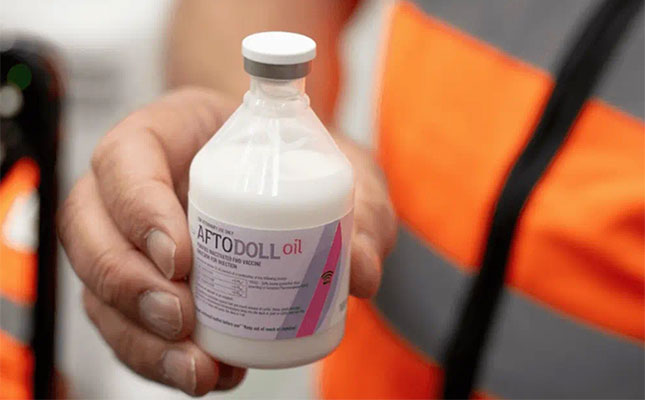
One million doses of FMD vaccine from Argentine manufacturer Biogénesis Bagó which arrived in South Africa on 21 February. Minister of Agriculture John Steenhuisen officially received the shipment at OR Tambo International Airport.
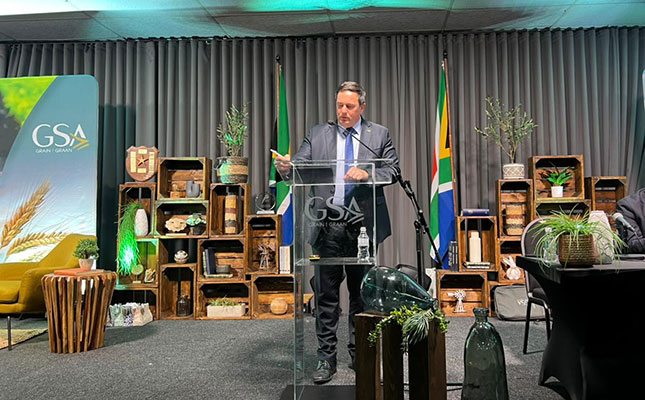
In his response to President Cyril Ramaphosa’s State of the Nation Address earlier this month, Steenhuisen described the consignment as the single largest quantity of FMD vaccine ever imported into South Africa at one time.
The South African Health Products Regulatory Authority granted Onderstepoort Biological Products approval under Section 21 of the Medicines and Related Substances Act (No. 101 of 1965) to import and use the Biogénesis Bagó vaccine.
This delivery marks the first phase of a broader agreement with the company, with a further five million doses scheduled to arrive in March.
Additional supplies are also on the way. Steenhuisen confirmed that 960 000 doses from the Botswana Vaccine Institute (BVI) and one million doses of the Dollvet vaccine from Turkey are expected later this month. BVI has already supplied two million doses during recent outbreaks and will continue providing doses monthly.
“By the end of March, more than five million vaccine doses will have entered the country from three international suppliers,” Steenhuisen said.
For a sector battered by movement restrictions and mounting biosecurity costs, the increased availability of vaccine is a critical step toward stabilisation.
2. Private veterinarians cleared to assist
The second positive development is the expansion of vaccination capacity through the formal inclusion of private veterinarians.
“Under the Animal Health Act, private veterinarians can register to administer vaccines as part of the implementation strategy. This will entail a major improvement in the available manpower to ensure that we can reach our vaccination target of 80% of the national [cattle] herd by December this year,” Steenhuisen said.
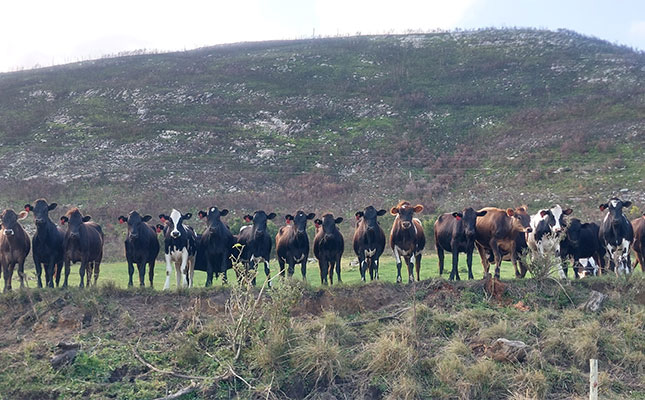
Government has set a target of vaccinating between 70% and 80% of the national herd as part of its 10-year eradication strategy aimed at regaining FMD-free status with vaccination.
Momentum in this process gained traction when Dr Reinhardt Venter, a private veterinarian from Mossel Bay, became the first in the country to receive state approval to assist with FMD vaccinations. He is working alongside state veterinarian Dr Leana Janse van Rensburg following confirmed cases in the district.
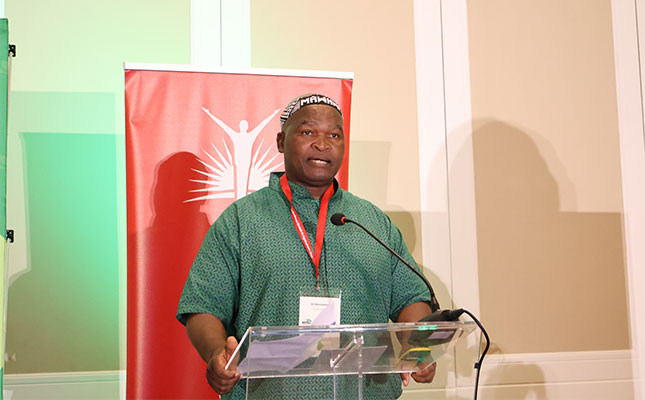
Dr Dave Midgley, CEO of the Ruminant Veterinary Association of South Africa, said more than 100 private veterinarians have already submitted applications, with 15 currently under consideration across all nine provinces.
The application process requires completion of a BLNS authorisation form (referring to Botswana, Lesotho, Namibia and Eswatini), along with submission of a business plan. Applications are routed via the local state veterinarian to provincial and national authorities for approval.
“It remains a state-controlled disease, so the state veterinarian has to coordinate the process and assignments,” Midgley explained. Strict monitoring and record-keeping are essential requirements of the World Organisation for Animal Health, particularly in South Africa’s efforts to regain formal disease status.
The coordinated approach also allows for careful management of biosecurity risks between infected (‘dirty’) and uninfected (‘clean’) farms, ensuring veterinarians exposed to infected herds are deployed appropriately.
Midgley said the involvement of private veterinarians significantly improves the likelihood of meeting vaccination targets.
“If things continue as they are now and private veterinarians are on standby once the vaccines arrive, reaching the 70% to 80% target seems increasingly feasible,” he said.
3. Dedicated FMD Control Centre launched
The third development is aimed directly at farmers on the ground.
The Department of Agriculture has established an FMD Control Centre to provide guidance, information and coordination support. Farmers can access assistance via a toll-free number: 0860 246 640.
The establishment of a dedicated control centre is intended to improve communication, streamline response measures, and provide clarity during a period marked by uncertainty and rapidly changing regulations.
While the economic and emotional toll of FMD remains severe, the combination of record vaccine imports, expanded veterinary capacity, and improved coordination mechanisms suggests a more structured and adequately resourced response is now taking shape.
For many livestock producers facing one of the most challenging periods in recent memory, these developments may represent the first tangible signs of relief.