
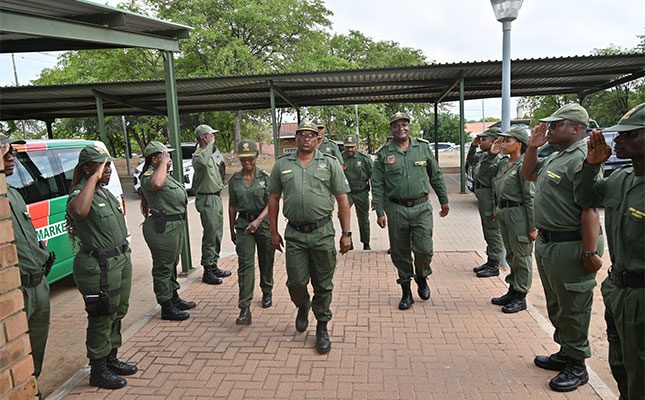
Speaking to the media at the Beitbridge border post, South Africa’s busiest entry point, Border Management Authority (BMA) Commissioner and CEO Dr Michael Masiapato said that, as part of the authority’s festive season re-entry operations, officials are regularly intercepting fresh fruit and other plant products at border posts.
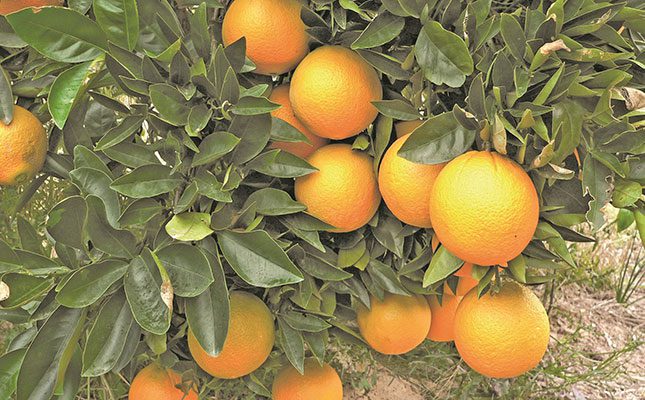
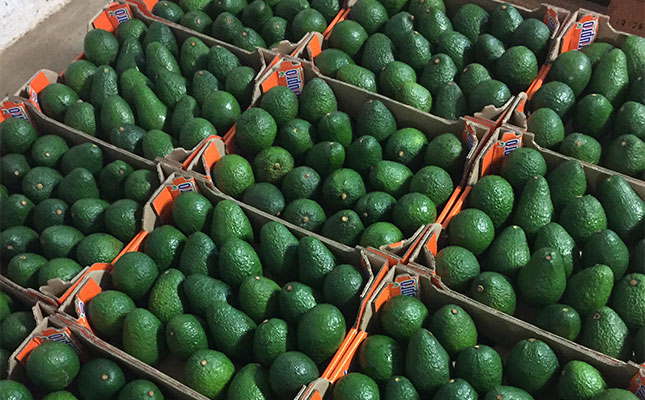
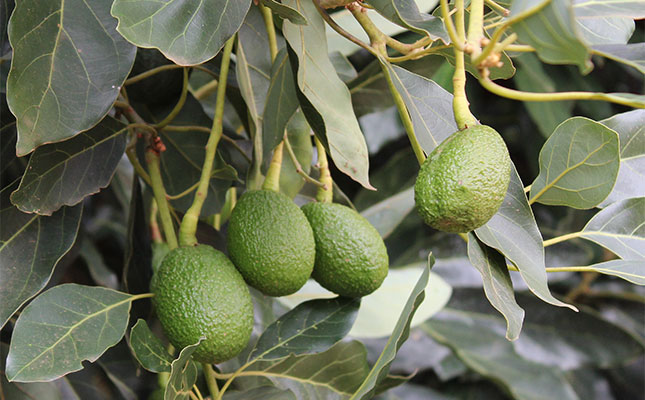
Mangoes, watermelons, and similar produce are being seized and destroyed to stop the introduction of plant diseases and pests that could severely harm the South African agricultural sector, he added.
“People must understand that fresh produce from outside South Africa cannot simply be brought into the country,” Masiapato said.
“Even if your neighbour’s country allows it, [South Africa’s] biosecurity standards are strict; no mangoes, apples, or similar items are permitted without following the correct import process.”
What the law says
South African border and agricultural laws are clear. According to government travel guidelines, no agricultural or animal products, including plants, fruit, seeds, live animals, and animal products, may enter the country without the required permits from the Department of Agriculture.
These items must also be declared and inspected on arrival, or they can be confiscated and destroyed.
In a 2022 article on its website, the Department of Agriculture reminded travellers that plants, plant products, animals, and animal products may only be brought into South Africa with the appropriate import permits and must be declared for inspection at ports of entry.
Speaking to Farmer’s Weekly, Mmemme Mogotsi, deputy commissioner for communications and marketing at the BMA, said the authority has stepped up its enforcement at all entry points.
“Officers continue to intercept prohibited and restricted goods, including agricultural and animal products that pose a risk to food safety and biosecurity,” she explained.
Mogotsi added that the increased controls form part of the BMA’s broader efforts to protect South Africa’s farms, livestock, and food supply from external threats.
Recent biosecurity incident prompts heightened vigilance
The tightened controls come amid heightened vigilance following an incident on 26 November 2025, when BMA Port Agriculture officials at Polokwane International Airport intercepted an 84kg consignment of Berenil, a veterinary medicine used to treat blood-borne parasites in livestock and pets, transported from Kenya and Tanzania.
The shipment, packed in two polystyrene boxes and destined for Pietermaritzburg in KwaZulu-Natal, was refused entry because it lacked the necessary import permits required under Section 6 of the Animal Diseases Act (No. 35 of 1984).
After consultation with the Department of Agriculture, the consignment was confiscated and sent to the Transboundary Animal Diseases Laboratory at the ARC-Onderstepoort Veterinary Institute for analysis.
In a statement on 1 December 2025 on the BMA’s website, Masiapato said the authority is aware of the ongoing foot-and-mouth disease outbreak in South Africa and is working to strengthen border inspections to prevent further risks.
“We have strengthened vigilance and inspection services at the ports of entry to detect and intercept any illegal importation of untested biological and preventive veterinary products.
“The attempt to smuggle animal medicines and vaccines into the country is a significant breach of veterinary and biosecurity regulations and is treated with utmost seriousness by the BMA,” he warned.