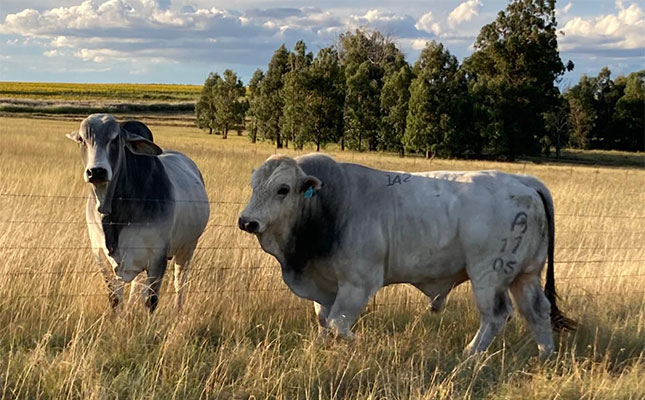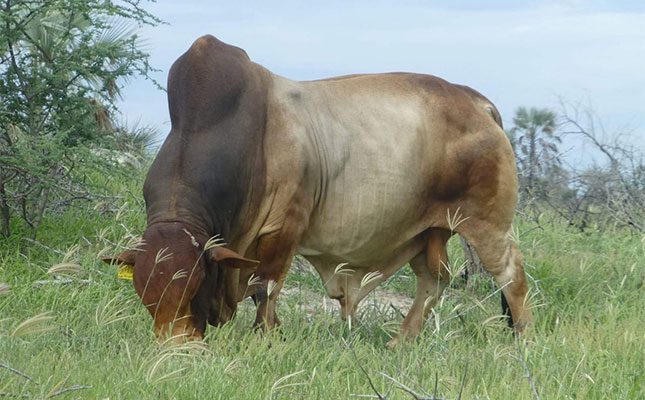

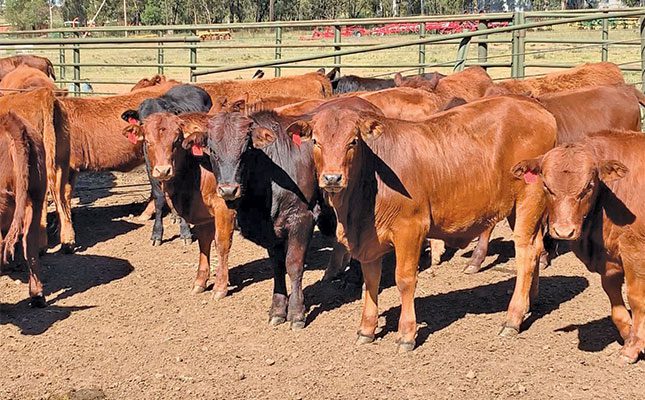
Commercial beef producers in South Africa are under increasing pressure to boost production efficiency, minimise input costs, and adapt to harsher climatic conditions. For many, the answer lies in breed selection, and the Boran is emerging as a top performer.
Quentin de Bruyn, a commercial cattle farmer on Vastrap Farm near Ladybrand in the eastern Free State, says the Boran’s ability to contribute to improving kilograms of beef per hectare makes it especially attractive for commercial operations.
“A commercial beef operation should be based on a crossbreeding programme. When you crossbreed, you improve productivity, you improve kilograms [of beef] per hectare, calving ease, udder quality, and longevity. From that perspective, the Boran is a unique animal,” he says.
According to him, one of the Boran’s key production advantages is that it is genetically distinct from other common beef breeds used in South Africa.
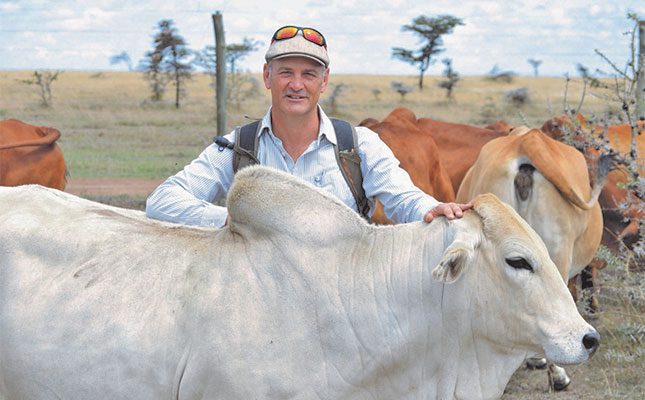
“Genome mapping has shown that the Boran sits in a completely different corner of the DNA map from the other breeds. That separation gives you greater hybrid vigour when crossbreeding, which directly translates into better performance on the ground,” he explains.
De Bruyn adds that this makes Boran bulls an ideal choice for commercial herds seeking to enhance productivity without compromising adaptability.
Whether crossed with British, European, or indigenous breeds, Borans introduce robust traits that can elevate the entire herd’s performance.
Adaptability saves on inputs
Production margins in beef farming can easily be eroded by high veterinary costs and feed requirements. De Bruyn says Borans, bred for centuries under extensive African conditions, naturally lower these costs.
“The Boran is hardy, it’s as tough as the Nguni, but with better meat quality. I haven’t lost a single Boran to disease in over 15 years. They give you time to treat them when they do fall ill, unlike some breeds where it’s too late by the time you notice,” he says.
He adds that the Boran’s thick, oily skin repels biting insects, helping prevent diseases like lumpy skin disease. This built-in resilience directly reduces treatment costs and losses, strengthening the breed’s commercial viability.
“In side-by-side conditions, the difference between my Borans and my Angus cattle when it comes to disease resistance is night and day,” he says.
Efficient grazers
De Bruyn says Boran are also well suited to veld-based operations due to their non-selective grazing habits and herd cohesion, two traits that boost land-use efficiency and simplify herd management.
“They often graze on leaves and rougher vegetation. And they stick together, which means you can manage your paddocks more effectively. That’s another contributor to better kilograms per hectare,” he explains.
This makes them suitable for both extensive and semi-intensive production systems, especially in areas where high-quality forage is not always available.
With beef producers facing tighter scrutiny on sustainability and profitability, the Boran ticks key boxes: low input requirements, high adaptability, and strong reproductive performance. But de Bruyn says their greatest commercial value lies in their ability to raise the productivity ceiling.
“They are 100% suited to commercial cattle farming. You get scale, you get growth, and you don’t have to sacrifice hardiness or adaptability to do it,” he says.
The Boran’s adaptability to South African farming conditions is proving to be a valuable asset, especially in low-input and extensive production systems.
According De Bruyn, the economic advantages of the breed go far beyond just aesthetic and temperamental traits; they’re fundamentally about performance and resilience in real-world, cost-sensitive environments.
“Even though I work my cattle quite often and they’re used to people, if you try to separate a few in the veld, they’ll get aggressive trying to get back to the herd. This strong herd instinct has become an unexpected advantage in combatting stock theft.
“I’ve lost many Angus-type animals to theft. But in the case of Borans, they’ve tried twice and both times the animals returned themselves to the herd, unharmed,” he says.
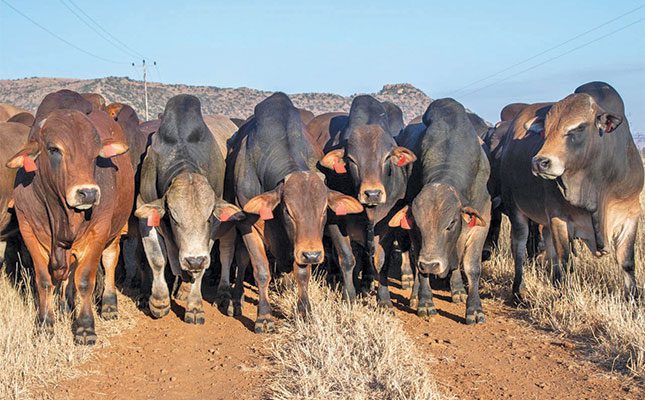
De Bruyn says this instinctive cohesion is just one of many characteristics that make Boran ideal for South African farmers operating in challenging environments. Their physical differences from other breeds also support their utility in strategic crossbreeding programmes.
“To the untrained eye, they might look similar to Brahmans, but they’re very different and incredibly useful when it comes to crossbreeding,” he adds.
Fertility and adaptability
When it comes to fertility, De Bruyn mentions the importance of management, but points out that Boran offer unique advantages that make achieving high reproductive efficiency easier.
“Because of their adaptability and ability to eat non-selectively, you can keep far more animals per hectare,” he explains.
He maintains a pregnancy rate of over 90% year after year, which he attributes not only to management, but also to the breed’s resilience.
“A cow in poor body condition will not fall pregnant. The Boran’s disease resistance and low maintenance needs allow cows to stay in good condition throughout the year, even in marginal grazing conditions,” he says.
He adds that this adaptability ensures good body scores, which in turn support high fertility and lower veterinary and supplementary feeding costs.
“In my case, I really do press the grazing hard. Some people might even say I overgraze. But because of the breed’s hardiness, I can do that without negatively affecting reproduction.
“You can push your stocking rates without sacrificing fertility, something not possible with many other breeds,” explains De Bruyn.
Carcass quality
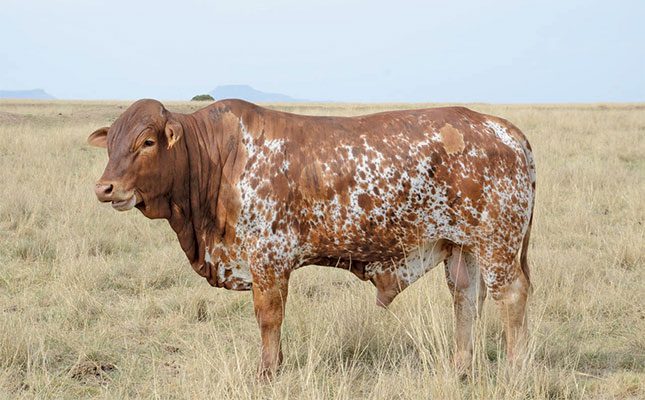
Boran cows also provide flexibility when it comes to marketing weaners. In his region along the Highveld, de Bruyn says weaners typically flood the market in late autumn, depressing prices.
“With Borans, I can keep the weaner with the mother for up to nine-and-a-half months without compromising her ability to rear the next calf,” he explains.
This extended suckling ability allows farmers to target more favourable market windows, improving income without increasing feed or healthcare costs.
“With other breeds, keeping a calf on the dam that long would severely affect the dam’s body condition and your next calf crop,” he says.
Performance in low-input systems
De Bruyn says, most importantly for farmers working in extensive or low-input systems, Boran cattle continue to perform without the need for high-cost interventions.
“I don’t have irrigated pastures or a feedlot. They graze on natural veld and are expected to perform, and they do,” he says.
Their low maintenance requirements, disease resistance, and adaptability make Borans especially attractive for communal and small-scale farmers who cannot afford to invest in high supplementation or intensive veterinary programmes.
Strong demand
Asked about the current demand for Boran cattle in South Africa, De Bruyn points to a steady rise in interest over the past decade, particularly in extensive and mixed-farming areas.
“The Boran’s low maintenance requirements, adaptability and resilience to tick-borne diseases like redwater and gallsickness make them incredibly appealing.
“What we’re seeing now is that commercial farmers, who traditionally stuck to breeds like Bonsmara or Brahman, are starting to cross in Boran genetics to improve survivability and fertility in tough conditions,” he says.
He explains that many first-time Boran buyers are surprised by their calm temperament, ability to forage on marginal veld, and long productive lifespan.
“These cattle just work for the environment we’re farming in and that builds repeat buyers.”
A future-proof breed
Looking ahead, De Bruyn says the Boran is well-positioned to meet the needs of commercial cattle farmers who must navigate climate variability, rising input costs, and consumer expectations for sustainable production.
He reiterates that the breed’s performance in initiatives like Intelact confirms its value. “Intelact, which does benchmarking and runs study groups, has confirmed that commercial Boran farmers are among the most profitable in their study groups” he says.
He also praises the Boran Cattle Breeders’ Society of South Africa for fostering inclusivity and maintaining strict quality standards.
“Whether you’re an emerging farmer or a long-time breeder, the society is clear that the animal must meet the criteria. That’s what builds trust in the breed,” says De Bruyn.
For farmers looking for a cattle breed that can perform reliably under pressure while keeping operational costs down, the Boran is proving itself time and again.
For more information email Quentin de Bruyn at [email protected].