
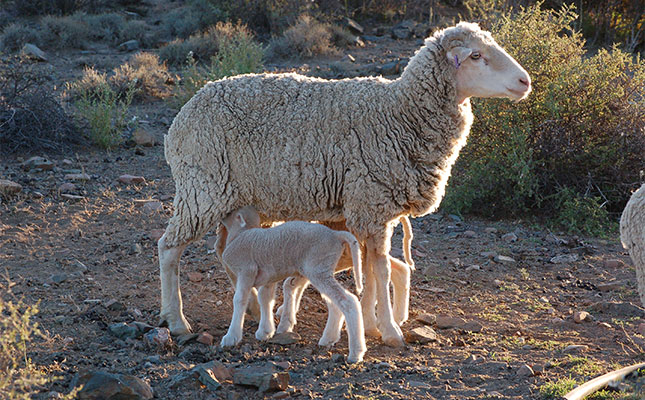
Today, as international brands compete on sustainability credentials and discerning consumers demand proof of ethical sourcing, South African Merino farmers find themselves uniquely positioned to supply a fibre that is both heritage-rich and future-fit.
With about 13,5 million Merino sheep, according to the National Wool Growers’ Association, and a well-organised auction and brokering system, South Africa remains one of the world’s most influential regions for fine wool.
But the modern luxury textile marketplace is changing. Brands now expect supply-chain traceability, independent certification, and demonstrable environmental responsibility, while end-consumers, especially in Europe and Asia, are willing to pay a premium when fibre origin can be verified and farming practices align with global sustainability standards.
This shift has created a new kind of relationship between South African woolgrowers and designers in major luxury hubs: a partnership built on shared values of transparency, ethical production, and innovation. It is a relationship that not only dictates the price of wool at local auctions but also influences how Merino wool is marketed, manufactured, and celebrated on high-end fashion runways.
A heritage of excellence
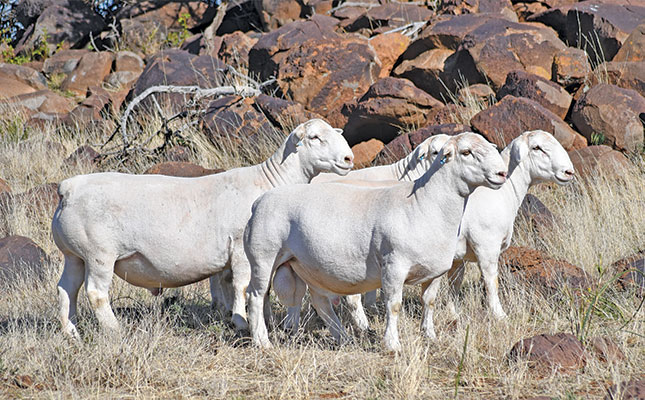
According to wool brokerage BKB, South Africa was the first country outside of Europe to establish the Merino breed, with the sheep arriving in the Cape in the late 18th century. What followed was a rapid adaptation to the country’s diverse climate, combined with generations of farmer-led genetic refinement. From the Karoo to the Eastern Cape, farmers built a fine-wool industry rooted in resilience and selective breeding for quality fibre.
By the mid-20th century, South Africa had achieved global acclaim for consistency, classing discipline, and clean, bright Merino wool, qualities that are especially prized by high-end weavers in Italy, Japan, and China.
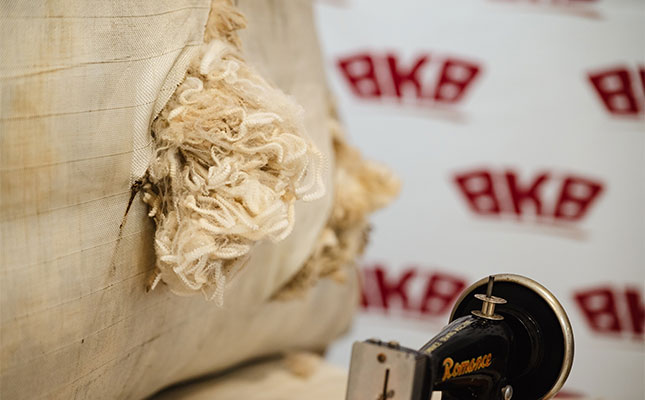
Today, wool brokers like BKB and OVK aggregate, class, market, and export more than half the national clip. Their systems of grading, classing, and certification instil confidence in foreign buyers that a bale labelled ‘South African fine Merino’ has met strict quality standards.
This reputation for predictability is one of the reasons why South African wool often trades at a higher premium relative to comparable fibres from other producing countries.
Why transparency and ethical sourcing matter more than ever
Over the past decade, wool production methods have become just as important as the type of wool produced. Luxury brands, led by the European market, now insist on detailed assurances of responsible farming practices. These include:
- Animal welfare standards
- Environmental stewardship
- Land-use and biodiversity management
- Social responsibility and labour practices
- Traceability from farm to runway
The rise of certifications such as the Responsible Wool Standard (RWS) reflects this shift. South Africa is now one of the world’s leading suppliers of certified wool, with thousands of farms participating in annual audits that inspect everything from shearing sheds to veld management plans.
For farmers, the audit process can be resource-intensive, as it includes documenting grazing rotations, maintaining animal welfare logs, proving biodiversity conservation, and recording shearing and transport details.
But the rewards are substantial: certified bales often fetch a premium, and brands increasingly refuse to purchase non-certified wool for their high-end collections.
Transparency also matters for storytelling: luxury consumers want to know where their garments come from, how they were made, and who was involved in the process. In a global market where farmers receive only a small fraction of the final retail price, providing a compelling ethical and sustainability narrative is essential for maintaining premium value.
From farm to fashion house: traceability as a market requirement
Traceability has moved beyond marketing to become a regulatory requirement. The EU already requires detailed reporting on product origins and environmental impact, and more markets are preparing similar legislation.
South African woolgrowers are responding with technology-driven solutions at farm and broker level, including:
- Radio-frequency identification or QR-coded bale identification
- Digital farm management platforms
- Satellite mapping of grazing land and natural capital
- Chain-of-custody digital certificates
- Blockchain-based traceability pilots
These tools allow a garment manufacturer in Milan or Shanghai to trace a piece of fabric back to the exact farm in South Africa, the shearing date, and certification status. The luxury goods industry values this radical visibility and is willing to pay for it.
Reinventing wool for a modern market
Merino wool is valued for its softness, breathability, and natural thermal regulation, but recent technological innovations are transforming it from a traditional luxury fibre into a high-performance, future-focused textile.
One of the most exciting developments is Nanshan and Woolmark’s Optim fibre-stretching technology, which pre-stretches fibres before spinning to create fabrics that are:
- Wind-resistant
- Water-resistant
- Plastic-free
- Lightweight and high-performing
Without relying on chemical coatings, Optim expands the functional possibilities of Merino wool, making it suitable for outdoor fashion, technical apparel, and crossover luxury-sport ranges.
Fashion designers have embraced Merino’s versatility. In recent years:
- Alaïa showcased featherlight, gravity-defying Merino garments in its Autumn/Winter 2024 collection.
- Prada’s Luna Rossa sailing team partnered with Woolmark to develop performance Merino for elite sports, later commercialised in retail apparel.
- Loro Piana and other leaders of “quiet luxury” have positioned fine Merino as an understated, heritage-rich textile aligned with refined minimalism.
Merino’s natural elasticity, fire resistance, moisture management, and inherent breathability make it uniquely suited to this ‘quiet luxury’ movement, where subtle craftsmanship and longevity matter more than loud branding.
Sustainability: the new currency of luxury
As governments and consumers put pressure on fashion brands to reduce waste and pollution, wool stands out as a natural, renewable, and biodegradable fibre. Research by the International Wool Textile Organisation continues to confirm wool’s sustainability advantages:
- Long lifespan: garments are used and kept longer
- Low washing impact: wool can be washed at cooler water temperatures and less frequently
- High recyclability: wool is 5% of recycled fibre market share despite being only 1.3% of global fibre production
- No microplastic pollution: wool is biodegradable on land and in water
These features position wool at the centre of the global push for circular fashion systems. Many luxury brands now market Merino not only as a premium but also a ‘nature-positive’ fibre, thanks to regenerative farming practices that help to restore ecosystems.
Market outlook: volumes, prices, and global demand
According to Expert Market Research’s report titled ‘Merino Wool Market Growth Analysis – Forecast Trends and Outlook (2025–2034)’, the global Merino market is expected to grow modestly, from 304 000t in 2024 to 316 000t in 2034, a compound annual growth rate of 0,4%. Australia will remain the dominant producer, but South Africa continues to occupy a premium niche.
Recent auction results show the following South African price trends:
- Certified Merino prices of R204/kg to R206/kg greasy
- Currency volatility adding short-term fluctuations
- Strong interest from Chinese and European buyers
- Supply constraints supporting price stability
However, Cape Wools SA says South African production volumes are down roughly 16% year-on-year, to around 11,9 million kilograms greasy so far this season. Lower supply is expected to support firm prices through 2025 and into 2026.
It adds that while precise Merino-specific projections for 2026 are limited, overall wool export value is forecast to reach US$595 million (around R9,7 billion), up 2,3% from 2021. South Africa will continue exporting the majority of its clip, with China remaining the biggest buyer, followed by European luxury manufacturers.
Why South African merino commands a premium
Several factors underpin the strong price performance of local Merino wool:
- Fine micron and fibre quality: South African Merino is renowned for its brightness, tensile strength, and low vegetable matter content.
- Consistency and classing discipline: a robust broker and auction system ensures reliable quality across bales.
- Ethical production and certification: RWS and other standards reassure luxury brands that they are buying responsibly.
- Traceability and digital verification: end-to-end visibility strengthens buyer confidence and justifies premium prices.
- Advanced fabric technologies: innovations such as Optim stretch the fibre into new performance categories.
- Alignment with quiet luxury trends: minimalist, refined, durable apparel is in high demand – qualities Merino naturally fulfils.
A Western Cape sheep farmer’s bale of exceptionally fine wool set multiple records at the BKB Live Wool Auction on 3 December in Gqeberha, Eastern Cape.
The bale from André Christie-Smith of Kleiheuwel Trust near Bredasdorp measured 14,1 microns, weighed 135,6kg, and had a tensile strength of 32 with a clean yield of 70,2%. According to Cape Wools, the bale commanded R306/kg for fat wool, equivalent to R435,49/kg for clean wool – the highest price ever for sustainably certified wool under the RWS and Sustainable Cape Wools Standard. It was purchased by Standard Wool.
Challenges ahead
Despite strong global interest, the South Africa Merino industry faces significant pressure:
- Rising certification costs: audits, record-keeping, and compliance can be expensive, especially for smaller operations.
- Environmental expectations: climate-smart farming, veld restoration, and biodiversity reporting are becoming standard practice.
- Supply constraints: declining production volumes risk losing market share to competitors.
- Currency volatility: local currency fluctuations affect export revenue and market confidence.
- Geopolitical and trade disruptions: shifting global alliances, shipping delays, and disease outbreaks can alter demand patterns.
To remain globally competitive, local farmers will need continued investment in technology, data-driven farm management, and sustainability systems.
The luxury fashion connection
Today’s luxury brands are required to balance exclusivity with eco-conscious consumer expectations. Their Merino campaigns should increasingly highlight:
- Natural performance: breathability, thermoregulation, and softness
- Regeneration: biodiversity and soil restoration on wool farms
- Longevity: garments that last for decades
- Circularity: recyclability and biodegradability
- Traceability: verified origin stories
Campaigns such as Woolmark’s ‘Wear Wool, Not Waste’ frame wool as a climate-conscious choice for a world drowning in synthetic fast fashion.
Meanwhile, high-fashion platforms celebrate Merino’s versatility – from ultra-fine knits to sculptural outerwear. As Laura Armstrong, general manager of marketing and communications at Woolmark, said in an article for Vogue magazine, “Merino wool aligns perfectly with modern luxury values: craftsmanship, comfort, sustainability, and the ability to ‘feel as good as it looks’.”
A fibre for the future
Merino wool is more than a raw material; it is a strategic resource for global fashion houses seeking natural, ethical, high-performance fibres to meet increasingly strict sustainability commitments. South African farmers – supported by brokers, scientists, designers, and technology providers – are central to this story.
As the global luxury goods industry continues to embrace quiet luxury, circularity, and ecological responsibility, the market for premium, certified, traceable South African Merino wool looks primed to expand. The industry’s challenge will be sustaining the supply of high-quality wool while navigating rising compliance burdens and environmental uncertainties.
Yet one truth remains constant: few fibres can match Merino wool for its blend of natural beauty, technical performance, and environmental credentials. And few regions have mastered its production like South Africa.
The evolving partnership between South African woolgrowers and the global luxury textile market is not just a commercial transaction; it’s a shared vision for the future of sustainable fashion.