

Bill Kerr

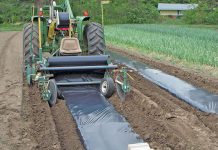
Reducing water loss from soil
There are various ways to ensure that soil loses as little water as possible. These include plastic sheeting to cover the soil, the use of mulch, and loosening the soil.
Cost-effective irrigation
Over-irrigating costs you money in terms of water and electricity, and may lower your crops’ potential. Under-irrigating is also detrimental. Learn to irrigate properly and at the optimal time, says Bill Kerr.
Putting crop rotation into perspective
When developing a crop rotation programme, one must take into consideration the various pests and diseases that may infect different crops in order to avoid disastrous results, says Bill Kerr.
Why an integrated approach is best
Farmers are finding more and more natural enemies to keep tomato leaf miners in check instead of resorting solely to chemicals, says Bill Kerr.
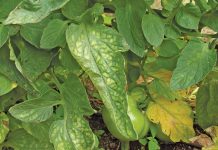
Element deficiencies in a crop
Detecting an element deficiency in a crop can be quite difficult, but it is essential to know whether there are any shortages and treat the plants in good time. A deficiency can lead to a poor or failed crop, says Bill Kerr.
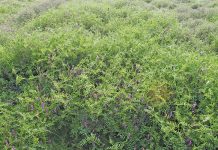
Using cover crop mulch
In many regions, there is a limited choice of crops that can be grown in a particular season. This provides an ideal opportunity to plant a cover crop to keep the soil organisms active and provide material for humus formation.
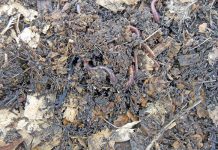
Getting to know earthworms
More than 2 000 species of earthworm have been identified worldwide and there are 300 known species in South Africa.
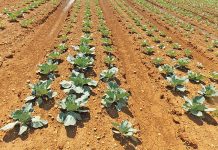
Solve those crop problems yourself, and save thousands!
Find something wrong with your crop? Go through the planting and fertilising processes step by step on your own to see whether you can determine the cause. There’s a good chance you can, says Bill Kerr.

Know when your soil is ready!
It’s always a good idea to get soil fertility in balance by providing enough fertiliser and, perhaps, organic matter, but treating the soil well is also very important.
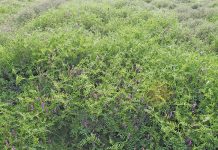
Nurturing the unseen life in soil
When we walk across a land, we are unaware that the soil beneath our feet is teeming with life. It is difficult to quantify the tonnage of organisms present but it can run into 6t/ha or more.
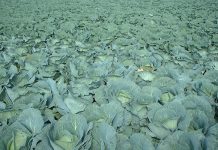
Is small-scale farming really viable?
Under the free market system, entrepreneurs engage in their activities within the boundaries of the law and make as much money as possible.
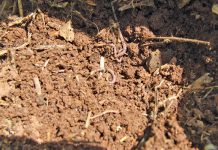
No-till: better soil at less cost
One sure way of reducing soil degradation is to cut down on tillage. Numerous crops can be grown using the no-till approach, and many farmers who have done so will testify that it cuts costs and improves rain penetration in the soil.
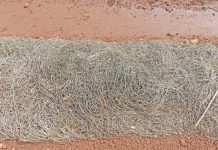
The many advantages of humus
The volume of organisms in any body of soil is dependent on the soil environment and supply of food for them; it is not a static amount.
Getting started with vegetables
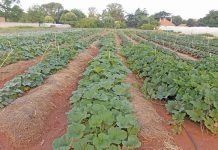
First, the bad news: if you are starting a small vegetable farm, you will have to wait several years before nutrient recycling takes place in the soil.
Soil: your most valuable asset
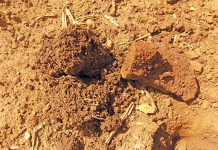
I have become more and more conscious of how many farmers fail to appreciate the importance of soil quality. More is made of land preparation and fertilisation than improving the soil’s organic content and structure to increase water penetration and retention, reduce disease and save on fertiliser.
How insect predators can help you
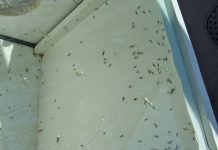
Beneficial insects used in integrated pest management (IPM) can sometimes completely eliminate the need for crop chemicals, or at least reduce chemical spraying to a minimum.
Benefits of a germination room
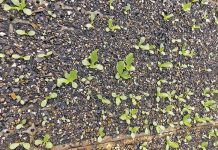
One of the crucial factors in seedling production is achieving a high and uniform germination. A loss in germination of just a few percent translates into a similar reduction in profit.
Tips on planting cucurbits
Some farmers, especially at the end of winter, use seedlings for their cucurbit crops in an attempt to get an early-growth advantage and better prices.
How to improve seedling trays
As mentioned in one of my previous articles polystyrene seedling trays are made by heating small polystyrene beads in a mould; they expand to fill the mould and thereby form the tray.
Don’t take shortcuts with seedlings
When I mention seedlings in my articles, you may take it for granted that I’m referring to professionally grown seedlings in cavity seedling trays. The reason is that it is extremely difficult for the average farmer, let alone a new farmer, to grow seedlings successfully.
- ADVERTISEMENT -
- ADVERTISEMENT -
MUST READS


- ADVERTISEMENT -



