
Latest articles

How to plant and harvest a sweet potato crop
Last week, we discussed how sweet potatoes are grown in the warm season and should be planted from October to December, although this can be extended up to March in frost-free areas.

History of the green bean crop
The green bean (Phaseolus vulgaris) originated in Central and South America and there’s evidence that it has been cultivated in Mexico and Peru for thousands of years.

How to mulch
This week we look at materials to use as organic mulch and the advantages and disadvantages of each.

Organic fertiliser boosts soil fertility
In a world becoming more environmentally aware, using organic fertiliser is highly recommended.
Know your soil
Knowing what kind of soil you have will help you prepare it correctly - improving it and increasing yield.

Using manure on acidic soil
If your soil is acidic, simply applying manure won't improve your yield, so you need to add lime or wood ash.
Spend on technology, save on water
Gamtoos Valley's three-year drought meant farmers were only allocated 40% of their annual water quota this year. And the catchment area of the Kouga Dam got little relief, despite recent good rains.
Getting started with carrots
Here are some guidelines regarding plant population, fertilisers and climate to get you started on carrot production.
Diseases in tomatoes
Tomatoes can be affected by many different diseases - and some, like powdery mildew, can cause serious damage.
Caring for cabbages
Cabbages are heavy feeders and need plenty of food to grow. Without enough water, the heads will dry out and taste bitter, so fertilising and watering the plants is important.
Furrow irrigation
This form of irrigation is good for row crops, such as tomatoes, cabbages, and leafy vegetables.

How to grow lettuce – Part 2
This issue we look at the different kinds of lettuce available and which are best for your home garden.
Dealing with soil compaction – part 2
When it comes to farming, soil compaction can't be prevented. But it can be managed to maintain crop yield and irrigation efficiency, and to reduce production costs, writes Roelof Bezuidenhout.
Dealing with soil compaction – part 1
Small-scale farmers often overlook the damage caused by bad tillage methods, leading to compacted soil, destroying their hard work, writes Roelof Bezuidenhout.

Preparing your soil – part 2
Manure will do more than just fertilise and feed soil, it will loosen it to help the roots grow better and prevent diseases.Issue date: 13 August 2010

Preparing your soil – part 1
You don't need fancy tests to check your soil to see how much fertiliser you need.

Farming hydroponically – part 4
Hydroponics is becoming a popular way to produce vegetables in South Africa because of the high quality of the produce. This week: keeping your plants disease-free.

Growing sweet potatoes
Sweet potatoes originate from South America. Their heat tolerance makes them a useful summer crop for areas that are too warm for most vegetables.
Farming hydroponically – part 1
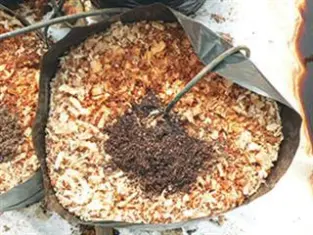
Over the next few weeks we’ll be taking you through this interesting and potentially profitable form of farming.