

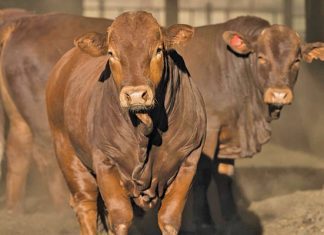
Getting to grips with foot-and-mouth disease
There are numerous outbreaks of foot-and-mouth disease still active in South Africa. This article takes a look at signs and symptoms of the disease, as well as the vaccine that is available.
Brucellosis: managing livestock health and protecting farmers
Brucellosis poses threats to animal and human health and has severe economic implications. Dr Didi Claassen, general manager of Afrivet Technical and Training Services, spoke to Octavia Avesca Spandiel about the transmission, clinical signs, and control strategies of brucellosis in cattle, sheep and goats.
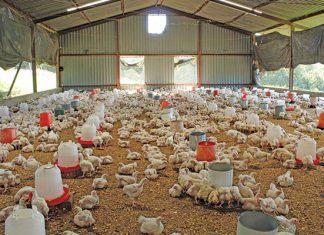
How to win the battle to control poultry mites
Preventing mite infestation is a constant struggle for poultry farmers, with the poultry red mite and scaly leg mite posing the greatest threats in South Africa. Octavia Avesca Spandiel reports on how farmers can identify, manage, and control these pests effectively.
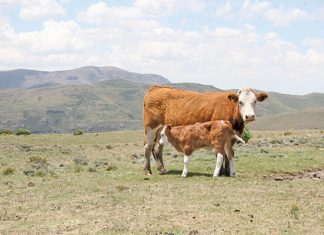
The effective monitoring of body temperature in cattle
Accurate monitoring of cattle’s body temperatures is crucial for ensuring optimal herd health and productivity. Octavia Avesca Spandiel spoke to animal health experts for tips on precise temperature readings, early disease detection, and maintaining biosecurity in a herd.
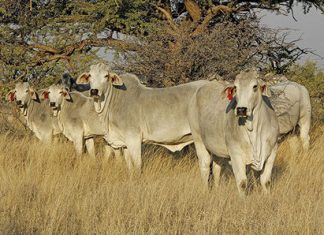
Livestock production strategies for formal vs informal market
Feedlots do not purposefully discriminate against certain breeders, but the animals may not always produce the carcasses that their market segment want.
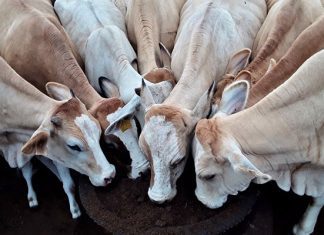
Developing a good knowledge of feed and supplements
Many of the larger manufacturers of livestock feed and supplements offer helpful advice booklets, which can sometimes be found at farmer supply stores and co-operatives. Take advantage of them, says Shane Brody.
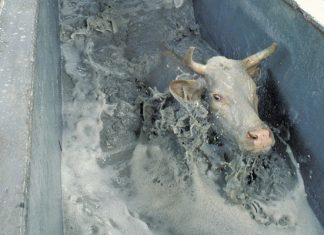
How and when to dip, deworm and vaccinate your cattle
Livestock health management has evolved over the decades to include disease prevention and growing farm revenue. The most effective health management strategies are those that include dipping, deworming, and vaccinating animals. Prof Cheryl McCrindle takes a closer look at these practices.
Here’s how to curb the spread of zoonotic diseases
Dr Nandipha Ndudane, president of the South African Veterinary Council, explains how you can help prevent diseases spreading from animals to humans, and vice versa.
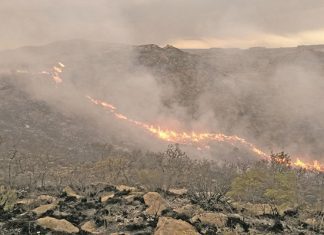
How to assess and treat animals after a veld fire
Animals injured in a veld fire can be classed into three categories of severity, depending on the symptoms they display. Appropriate treatment should be given under the guidance of veterinarians.
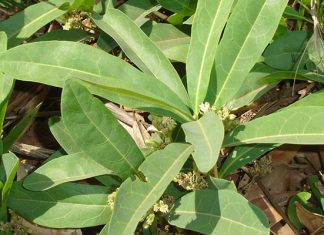
Plant poisoning in livestock
The symptoms of plant poisoning in livestock in South Africa can vary depending on the specific plant and type of toxin involved, writes Shane Brody.
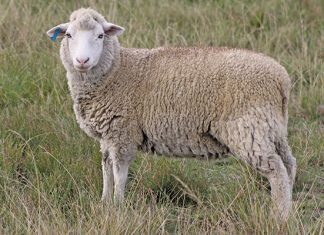
The importance of knowing how to grade slaughter livestock
Whether you’re a big or small producer, knowing how to grade your livestock is essential for the profitability of your business, writes Shane Brody.
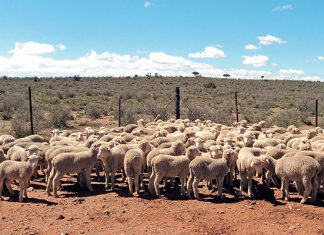
Understand livestock pricing structures to avoid financial losses
Many communal farmers are not aware of prevailing market dynamics and livestock pricing structures, and this can cost them dearly when selling their animals, says Shane Brody.
The dos and don’ts of drought feeding
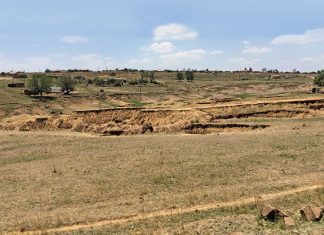
South African farmers are no strangers to droughts, but livestock producers often fail to plan ahead for them, leading to high costs from animal loss and feeding. Prof HO de Waal, affiliated professor in the University of the Free State’s Department of Animal, Wildlife and Grassland Sciences, spoke to Marinda Louw Coetzee about implementing effective drought feeding strategies for ruminants.
Factors to bear in mind when dipping livestock
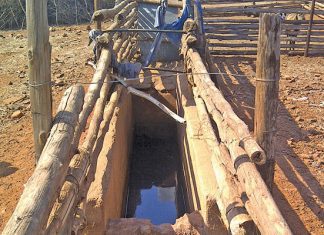
It is important to consider the intervals at which you dip livestock in relation to the specific season in which ticks become more or less, writes Shane Brody.
Plan fodder flow for optimal cattle production
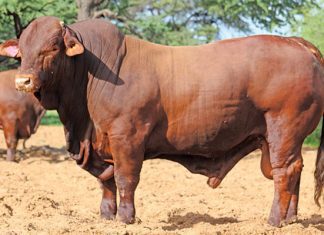
In order for beef farmers to remain profitable in terms of cow calf operations, it is critical to manage costs on farm level, says Henco Leicester of Cargill Animal Nutrition.
Dispelling five myths you thought were true about dogs
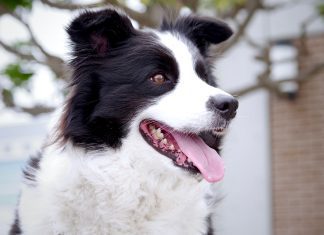
Contrary to some ingrained beliefs about dogs, Jarred Hodgson provides information that will help make you a better owner and trainer, and help you understand these domesticated animals’ behaviour.
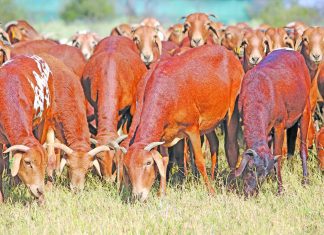
Practical guidelines to prevent stock theft
Laurence Palmer, a security consultant, lists some practical advice that farmers can follow to prevent stock theft.
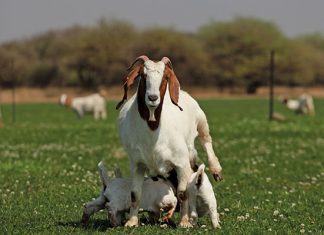
Blind teats and other udder defects in goat ewes
Before purchasing livestock for breeding, it's crucial to identify and understand troublesome or disqualifying traits, such as blind teats and other udder defects. This knowledge will also help you determine which female offspring to retain for future breeding purposes.
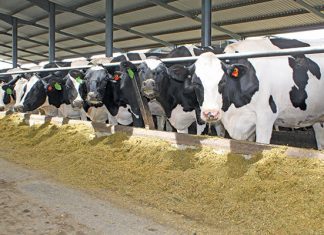
Are there solutions to antibiotic resistance?
Antibiotic resistance in livestock, fuelled by overuse, is a critical issue. Enhancing gut health with microbial diversity and MRFs offers a promising alternative to combat this growing threat. Alretha Naudé, Free State regional sales manager for Alltech, discusses how farmers can mitigate the use of antibiotics in cattle.
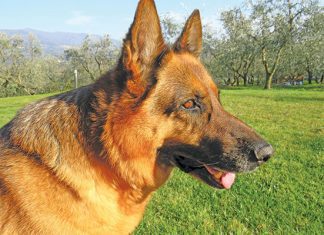
Choose the right dog breed for security, versatility and compatibility
Jarred Hodgson gives farmers advice on choosing the dog breed best suited to them, their families and operations. Although only four specific breeds are highlighted here, other breeds can also be considered.
- ADVERTISEMENT -
- ADVERTISEMENT -
MUST READS
- ADVERTISEMENT -



