

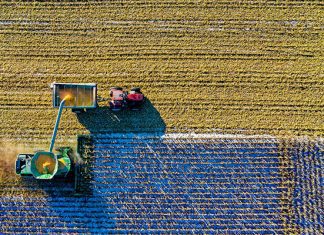
Key farming tips to help new farmers succeed
Farming requires patience, resilience, and strategic planning. Duncan Serapelwane, owner of Moalosi Bonsmara, shares essential advice for emerging farmers, focusing on sustainability, budgeting, biosecurity, and leveraging nature for long-term success.
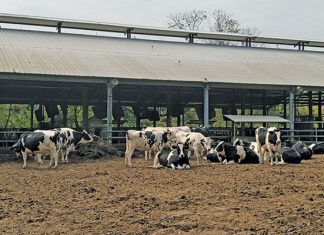
Tips for relieving heat stress in cattle
With rising global temperatures due to climate change, heat stress in livestock is a growing concern. Ranier van Heerden, Evonik’s business manager for ruminant solutions in sub-Saharan Africa, shared insights with Octavia Avesca Spandiel on early signs of heat stress in cattle, its physiological effects, and practical management strategies, offering valuable advice to help farmers mitigate this issue.

What farmers need to know about Oilseeds in crop
Oilseeds play a dual role on a crop farm, providing a valuable product and a mechanism for enhancing soil health and reducing input costs. Lindi Botha reports on the key considerations to make the best of sunflower, soya bean, and canola crops.
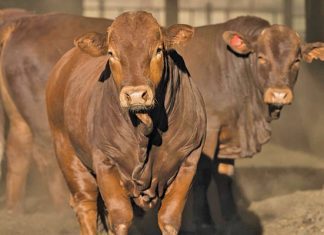
Getting to grips with foot-and-mouth disease
There are numerous outbreaks of foot-and-mouth disease still active in South Africa. This article takes a look at signs and symptoms of the disease, as well as the vaccine that is available.
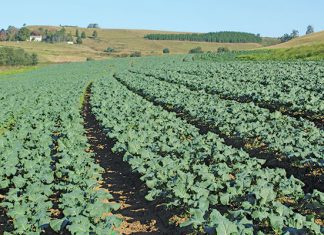
Four key strategies to future-proof your farm
Volatile operating environments and consumer scrutiny are putting increased pressure on farming businesses. To navigate these challenges and stay the course, farmers must focus on four areas: succession planning, data collection and analysis, traceability systems, and reporting on their environmental and social impact.
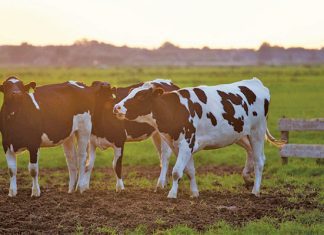
Brucellosis: managing livestock health and protecting farmers
Brucellosis poses threats to animal and human health and has severe economic implications. Dr Didi Claassen, general manager of Afrivet Technical and Training Services, spoke to Octavia Avesca Spandiel about the transmission, clinical signs, and control strategies of brucellosis in cattle, sheep and goats.
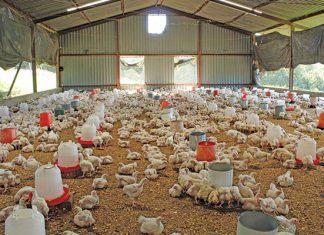
How to win the battle to control poultry mites
Preventing mite infestation is a constant struggle for poultry farmers, with the poultry red mite and scaly leg mite posing the greatest threats in South Africa. Octavia Avesca Spandiel reports on how farmers can identify, manage, and control these pests effectively.
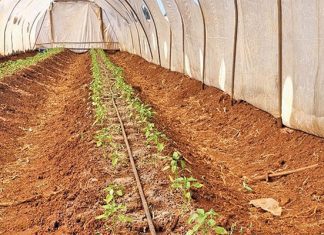
Bicarbonates: the silent crop killer
Irrigation water high in bicarbonates can wreak havoc on crops, causing soil compaction, blocking plants’ nutrient uptake and eventually killing them. Identifying and treating bicarbonates isn’t easy, but there are proven strategies for farmers.
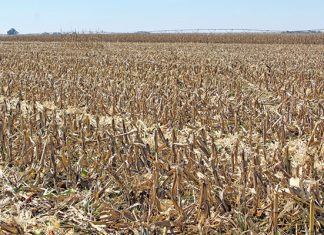
Best practices for grain farmers
Maize and wheat are the two most important staple foods in South Africa. With stable consumer demand of these grains and the continuous development of production techniques, Lindi Botha reports on how producers should approach such farming ventures.
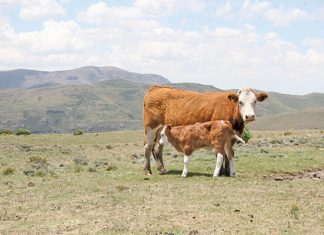
The effective monitoring of body temperature in cattle
Accurate monitoring of cattle’s body temperatures is crucial for ensuring optimal herd health and productivity. Octavia Avesca Spandiel spoke to animal health experts for tips on precise temperature readings, early disease detection, and maintaining biosecurity in a herd.
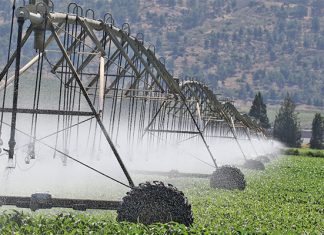
How irrigation can help small-scale farmers
Irrigation has resulted in significant crop yield improvement across the globe. In some regions, irrigation is essential for successful crop production; however, it remains out of reach for many small-scale farmers.
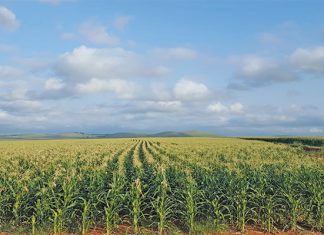
Financial management of a farm: the basics of budgeting
Cobus du Plessis explores the fundamentals of budgeting for farm management, explaining its importance, the different types of budgets, and key concepts like fixed and variable costs.
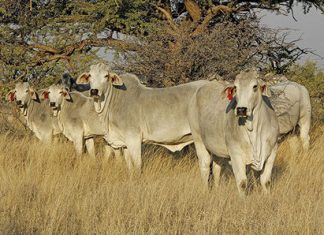
Livestock production strategies for formal vs informal market
Feedlots do not purposefully discriminate against certain breeders, but the animals may not always produce the carcasses that their market segment want.
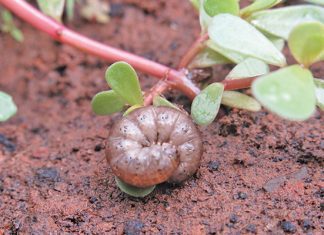
Cutworms: check the weeds on your fields!
Zunel van Eeden explains why understanding the ecological interplay between cutworms and weeds is crucial for effective pest management. Producers should disrupt the life cycle of cutworms to minimise crop damage.
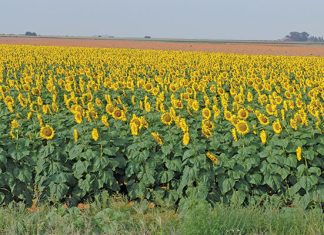
The importance of risk management in agriculture
Rinus de Bruin, agronomist at NWK, warns that crop production on marginal soils is no longer an option. The challenges posed by ever higher input costs mean that farmers simply cannot continue to plant on lower-potential soils, he says. Selecting the correct crops for each area is also of the essence.

Getting to grips with carbon credit schemes
Considering carbon credit schemes to enhance sustainability and create additional revenue? Dr Justin du Toit, production scientist at the Grootfontein Agricultural Development Institute in Middelburg, Eastern Cape, spoke to Roelof Bezuidenhout about the realities of these mechanisms.
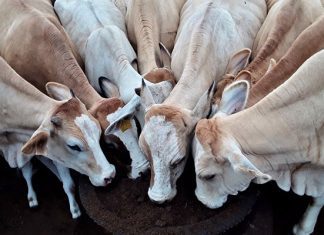
Developing a good knowledge of feed and supplements
Many of the larger manufacturers of livestock feed and supplements offer helpful advice booklets, which can sometimes be found at farmer supply stores and co-operatives. Take advantage of them, says Shane Brody.
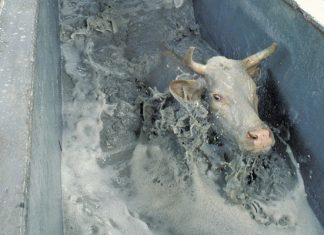
How and when to dip, deworm and vaccinate your cattle
Livestock health management has evolved over the decades to include disease prevention and growing farm revenue. The most effective health management strategies are those that include dipping, deworming, and vaccinating animals. Prof Cheryl McCrindle takes a closer look at these practices.
Biological crop protection: it’s tricky but possible
Integrated pest management is a complex process that takes each farm’s uniqueness into consideration. With growing support from all spheres, biological solutions are gaining traction.
Here’s how to curb the spread of zoonotic diseases
Dr Nandipha Ndudane, president of the South African Veterinary Council, explains how you can help prevent diseases spreading from animals to humans, and vice versa.
- ADVERTISEMENT -
- ADVERTISEMENT -
MUST READS


- ADVERTISEMENT -



