
With an estimated six million consumers purchasing coffee in South Africa, the demand for quality, knowledge, and authenticity in every cup has never been higher. Local specialty coffee businesses are evolving rapidly, mirroring international trends that value craftsmanship, provenance, and experience over convenience.
From urban cafés in Johannesburg and Cape Town to small roasteries experimenting with African-origin beans, South Africa’s coffee culture is flourishing.
According to Roland Urwin, owner and manager of a (bakery) café in southern Johannesburg and a coffee research master’s graduate, South Africans’ coffee habits are changing significantly.
“Consumers are far more informed than they were a few years ago. They’re asking more questions about the products being served, and they expect quality and consistency,” he says.
Urwin’s research explored how specialty coffee business owners perceive changing consumer behaviour and the growing demand for knowledge-driven coffee experiences.
The study found that while South African coffee entrepreneurs have adopted international processes, the local industry still needs a deeper understanding of how consumer preferences are evolving.
“A recommendation from my research is to focus on the training and education of both service personnel and customers. That’s the best way to improve the specialty coffee experience,” he says.
Coffee as a global commodity
Globally, coffee is the second-most consumed beverage after water, and it ranks as one of the most valuable commodities, second only to oil.
It’s a journey from small-scale farms to bustling city cafés involves complex international logistics, trading hubs, and roasters who are increasingly focused on quality and sustainability.
Urwin explains that this global significance has filtered down to South Africa’s growing coffee culture.
“Coffee isn’t just something you buy in a tin at a grocery store anymore. It’s way more than that. There’s an art behind making coffee that people are starting to appreciate, much like wine,” he says.
High-end coffee shops and competitive baristas are striving to place coffee in the same league as fine wines, with unique blends, single origins, and distinct flavour profiles.
“Baristas and coffee owners want their coffees to be valued the same way wines are; some are made for quick consumption, while others are crafted for taste, quality, and experience,” he says.
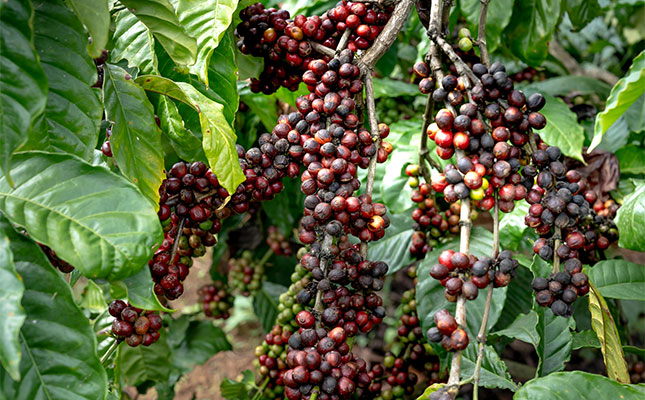
The evolution of coffee into a high-value product also has agricultural implications. While South Africa does not produce significant amounts of coffee, the growth of the specialty market has encouraged roasters to source beans directly from African countries such as Ethiopia, Rwanda, Kenya, and Tanzania.
This creates opportunities for farmers, co-operatives, and exporters who can meet the high-quality, traceability-focused standards demanded by South African roasters and consumers.
International trends have a strong influence on how South Africans consume coffee.
“There’s a huge social media presence that shapes what people drink. What consumers see happening in the US, Europe, or Australia filters into how we consume coffee here,” Urwin explains.
This exposure has encouraged a shift from instant coffee at home to milk-based beverages like cappuccinos and lattes, or Americanos from local cafés. People are increasingly seeking experiences rather than just a caffeine fix.
“Coffee has become social, almost like a lifestyle marker. It’s a place to meet, relax, and enjoy the craft of coffee,” he says.
South Africa’s coffee culture is about five years behind leading coffee nations, but the gap is closing quickly.
“Whatever’s trending internationally, we tend to follow soon after,” says Urwin.
From everyday brew to artisan craft
Coffee’s journey can be traced through what industry experts call the ‘waves of coffee’.
The first wave was simply about drinking coffee. People boiled beans in pots, focused on caffeine, and seldom considered flavour or origin. World War II brought instant coffee, designed to provide caffeine efficiently to soldiers.
“Instant coffee was convenient, but came at the cost of quality. Coffee purists often see it as the industry’s lowest point, because it dropped the quality from what freshly brewed beans could offer,” says Urwin.
The second wave arrived with the espresso machine, transforming coffee preparation. Espresso machines emerged to meet the practical need of commuters who wanted coffee quickly.
“Before espresso machines, people brewed coffee slowly at home, which was inconsistent. The machine introduced a new beverage, dark, strong, and intense, that could be served quickly to people on the move,” he says.
Espresso-based drinks such as cappuccinos and lattes became central to coffee culture. Cafés evolved from functional spaces to social hubs. South Africa, while initially influenced by European models, adapted these trends to local tastes and lifestyles.
“Coffee culture in Cape Town has always been slightly ahead of Johannesburg. We often see trends in Cape Town before they reach Gauteng, and that shapes the market,” he says.
Rise of the modern coffee culture
According to Urwin, Starbucks played a defining role in transforming global coffee culture.
“That’s when coffee became what it is today.
Before Starbucks, you wouldn’t just go out and grab a coffee with someone. It wasn’t part of social life yet,” he says.
The company influenced not only consumption, but also perception. Starbucks helped shift the idea from a traditional coffee house to a coffee shop, a place to meet, relax, or work while enjoying coffee. Even though Starbucks entered South Africa much later, its influence had already reached local consumers through global media and travel.
“It helped consumers realise that you could simply meet someone for coffee,” Urwin explains.
South African cafés such as Platō , Bootlegger, Truth, Origin, Motherland Coffee, Naked Coffee, and Father Coffee, particularly in urban centres, reflect this global influence. These cafés attract younger consumers looking for both convenience and high-quality beverages.
“These are places to hang out, grab a coffee, and socialise rather than just eat lunch or have a meal,” says Urwin.
Quality over price: What modern consumer’s value
Consumer preferences in South Africa have shifted toward quality and expertise.
“Consumers are more focused on quality than price. They’re willing to pay more if they know they’re getting a better product and a barista who understands what they’re doing,” Urwin explains.
South African coffee drinkers enjoy spaces that feel authentic, and they value craftsmanship. They are less concerned with environmental or ethical certifications than with taste and experience.
“Direct trade (talking to the farmer) has replaced much of that conversation, but most consumers still choose quality over cost,” says Urwin.
The African wave: a blend of Italian precision and American indulgence
Urwin describes South Africa’s coffee identity as a fusion of global influences. “We’ve developed what I like to call the African wave of coffee, a blend of both worlds,” he says.
Italian influence brought short, strong beverages like espressos and cappuccinos.
“Traditional Italian cappuccinos were only about 180ml in size. Takeaway culture meant cups grew larger while the espresso shots stayed the same, so baristas had to adjust ratios to keep the flavour balanced,” he says.
American culture introduced sweetness, size, and creativity. Syrups like caramel, hazelnut, and vanilla became part of coffee culture. The result is a mix of purist and playful tastes coexisting.
“You might see a man order a flat white while his partner chooses a caramel latte. That’s the African wave,” says Urwin.
How younger consumers are shaping coffee’s future
Young consumers are influencing trends and experimenting with creative beverages.
Urwin mentions the global Dalgona coffee phenomenon, made from whipped instant coffee, sugar, water and poured over milk, which became a hit.
“It is sweet, rich, and over the top, but it shows young people want to be part of the coffee culture,” he says.
This experimentation challenges the industry to innovate without losing the essence of good coffee. South Africa’s speciality coffee movement is growing, with roasters exploring new processing methods and flavour profiles.
“Coffee isn’t just coffee anymore; it’s an experience. Tasting notes like grape or jelly bean on specialty coffee show how refined palates have become,” says Urwin.
The rise of coffee festivals, cupping/barista competitions, and expos is helping educate consumers, creating informed drinkers who care about origin, roast profile, and preparation method.
“Events like the Specialty Coffee Expo are helping to educate consumers and elevate appreciation for the product,” Urwin explains.
Urban Appeal and Education
Speciality coffee thrives in urban hubs such as Johannesburg, Pretoria, and Cape Town, where younger professionals are willing to spend on quality.
“People might grab a flat white on the go, but they still want to know who roasted the beans and how they were sourced,” says Urwin.
Education is crucial. The more people understand the process from bean to cup, the more they appreciate and pay for quality.
“Consumers are becoming more curious, asking their barista what’s in the grinder or what the tasting notes are,” he explains.
While speciality coffee is gaining momentum, affordability remains key.
“Not everyone will spend R50 or R60 on a cappuccino every day, but brands are offering affordable options, from smaller cups to at-home brewing solutions,” he says.
Local farming and African beans
South African roasters are increasingly sourcing beans from African countries, helping regional farmers gain recognition for quality. Beans from Ethiopia, Rwanda, Kenya, Malawi, and Tanzania are becoming staples for high-end cafés.
“Local roasters are experimenting with African beans to differentiate their product. It’s a way to connect with the origin and create unique flavours for consumers,” says Urwin.
Farmers benefit from direct trade, which pays premiums for higher-quality beans and encourages sustainable practices. Urwin mentions that consumers are starting to understand this chain from farm to cup, which elevates the entire coffee ecosystem.
Innovation, sustainability, and local roasting will shape the next decade. “We’re seeing more roasters experiment with African beans. This regional focus will strengthen Africa’s identity in the global coffee landscape,” he says.
South Africa is carving out its own identity, blending global inspiration with local creativity.
“We’re developing an African wave of coffee. It’s vibrant, diverse, and distinctly ours,” says Urwin.