
Egg production is often described as one of the most accessible agricultural enterprises in South Africa.
Compared to other livestock industries, poultry requires less land, offers quicker production cycles, and supplies a staple protein that remains in constant demand.
Yet, despite its perceived simplicity, layer farming is one of the most management-intensive agricultural systems, where margins are tight and mistakes costly.
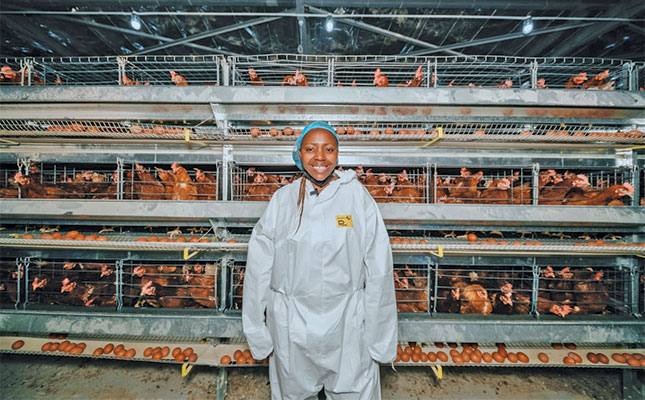
Speaking to Farmer’s Weekly, Mpumalanga poultry farmer Lebogang Mashego says she has learnt this through experience.
Her journey in layer production has been shaped by careful planning, disciplined cost control, and a deep understanding of how small operational decisions affect long-term profitability. For Mashego, success in poultry farming is not about chasing numbers, but about building systems that work.
“People think eggs are easy money because chickens lay every day. What they don’t see is the planning, the cash flow pressure, the monitoring, and the discipline that has to happen every single day for those eggs to be produced,” she says.
Drawing on her experience, Mashego shares practical lessons for new and emerging poultry farmers, from choosing the right location and breed to managing feed costs, labour, and markets.
Location: where the business begins
According to Mashego, the success of a poultry operation is determined long before the first birds arrive.
“The location of the farm is everything. You should consider where you base it. Access to the farm is important. Getting an environmental impact assessment [EIA] is also key,” she says.
In South Africa, poultry farms must balance accessibility with biosecurity and environmental compliance. Poor road infrastructure increases transport costs for feed deliveries and egg distribution, while remote locations can delay veterinary support and technical assistance.
At the same time, farms situated too close to residential areas often face resistance due to odour, dust, flies, and noise. Mashego explains that the securing of the correct zoning and environmental approvals is not merely a regulatory exercise, but a long-term risk management strategy. An EIA measures waste disposal, water usage, run-off, and the potential impact on surrounding communities. Farmers who skip this step often face forced shutdowns or legal disputes once production is underway.
“An EIA protects you as much as it protects the environment. It forces you to plan properly and prevents problems later when you have already invested money,” she says.
Access to clean water is another non-negotiable factor. Layers consume approximately 200ml to 250ml of water per bird per day under moderate temperatures, with consumption increasing significantly during hot weather.
Any interruption in water supply immediately affects feed intake and egg production.
Land size and production systems
While poultry farming does not require extensive land, Mashego cautions against underestimating space requirements.
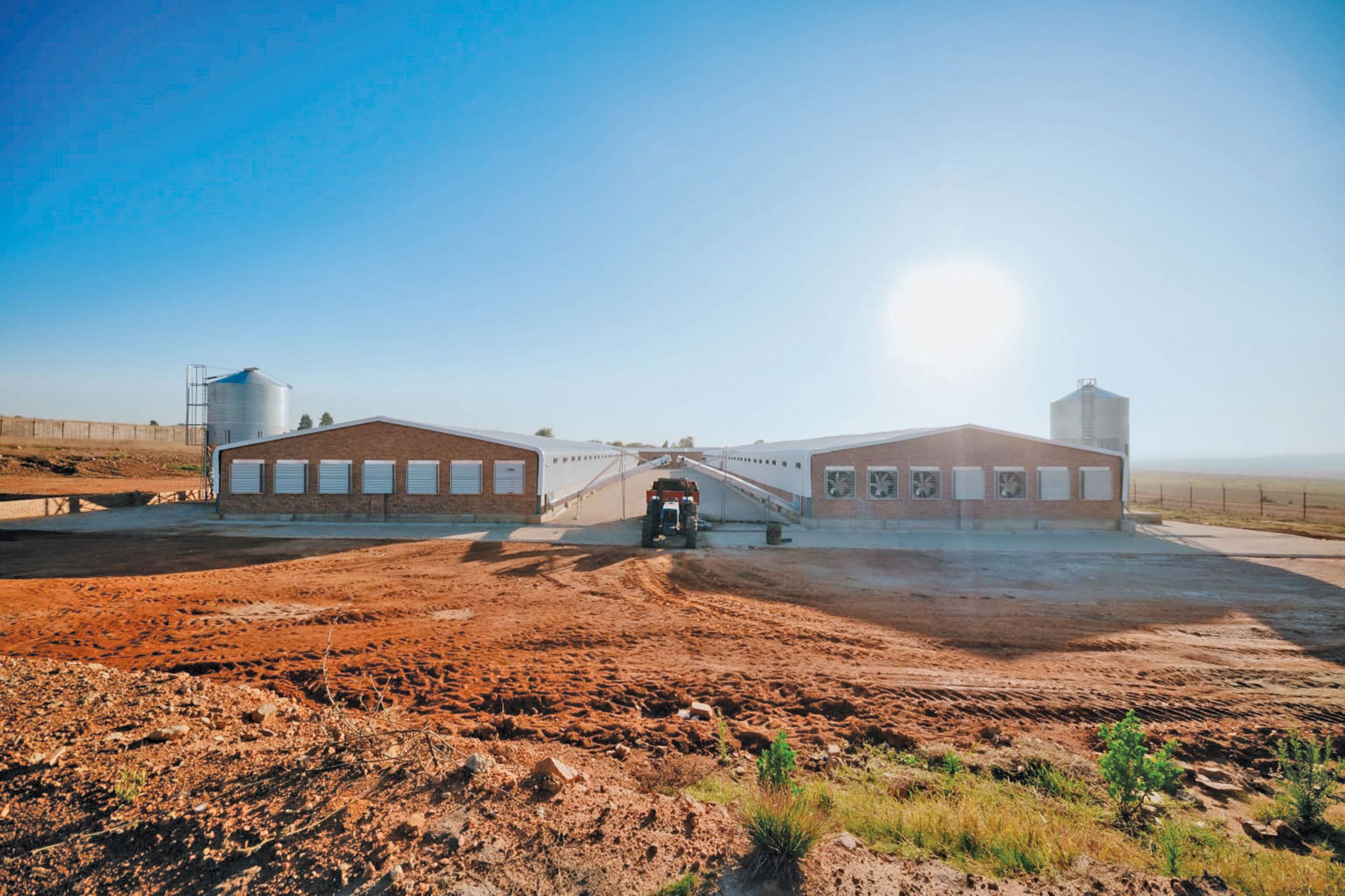
“A hectare should be [enough], particularly for small to medium-scale operations using free-range or semi-intensive systems. Starting a free-range operation is easier since cages are expensive to buy, “ she adds.
Cage systems, while efficient in high-density commercial enterprises, require substantial capital investment and are increasingly scrutinised by consumers concerned about animal welfare. Free-range and ‘shed’ systems offer lower entry costs and align with growing consumer demand for ethically produced eggs.
However, Mashego mentions that free-range does not mean low management. Outdoor access increases exposure to predators, parasites, and disease vectors such as wild birds.
Fencing, shelter, and rotational grazing are essential to prevent overgrazing and disease build-up.
“The system you choose must match your budget, your environment, and your ability to manage it,” she says.
Scale of the operation
One of the most common mistakes Mashego sees among new poultry farmers is the poor sizing of operations.
“The size of the operation will determine how much investment is needed. I would recommend that beginners start with 500 to 1 000 layers to start seeing a bit of a profit, since profit margins are small on eggs,” she says.
With very small flock sizes, fixed costs such as transport, electricity, and basic labour consume a disproportionate share of income. Conversely, large-scale operations expose new farmers to significant financial risk if production problems arise.
In South Africa, feed accounts for between 65% and 75% of total egg production costs. At current prices, a layer consumes approximately 110g to 120g of feed per day. This means that even a flock of 1 000 birds requires more than 3t of feed per month.
“People underestimate how fast feed costs add up. If your numbers are wrong, the business collapses very quickly,” says Mashego.
Breed selection: genetics drive profitability
Breed choice is one of the most critical decisions in egg production.
“Choosing the right breed is everything. The size of your eggs depends on the breed. The breed plays a role in the success of the production term. Also, different breeds prefer different environments for them to be productive,” says Mashego.
She says that breeds respond differently to heat stress, stocking density, and feed quality. Mpumalanga’s summer temperatures can reduce egg production if birds are not adequately ventilated and hydrated.
“Genetics can give you potential, but management determines whether you reach it,” she says.
Preparation before flock arrives
Mashego places strong emphasis on preparation.
“We secure feed a week or two before receiving the new flock. You test your water to ensure the quality, then run and flush your pipes to make sure the supply is not compromised,” she explains.
Water quality is often overlooked in poultry production. High levels of bacteria, salinity, or heavy metals reduce water intake and negatively affect egg production. Regular testing and system maintenance is thus essential.
Feed security is equally critical.
“Buying layers before feed is secured, or not having a plan for feed, is a big mistake. At least secure feed for the next three months,” advises Mashego.
Understanding the production curve
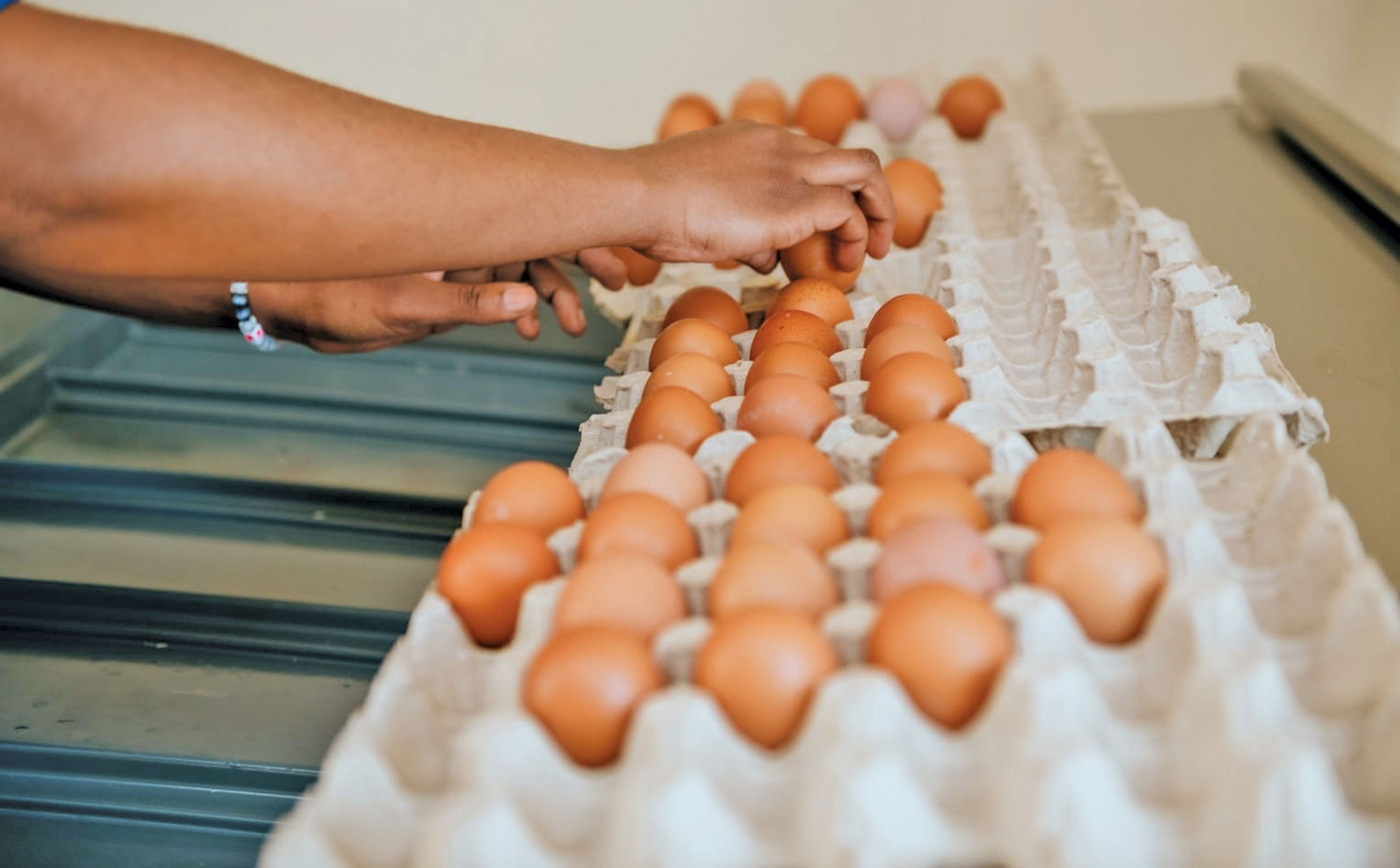
Egg production follows a predictable biological pattern. Pullets typically begin laying at 18 to 20 weeks of age, gradually increasing production until peak laying at around 26 to 30 weeks. Peak production can reach 90% or more in well-managed flocks.
“In the first month of production there are no eggs. The second month, you operate at a loss. You start picking up at month three. Get your projections right,” she warns.
This early period places significant pressure on cash flow. Farmers must budget for feed, labour, electricity, vaccinations, and maintenance before meaningful income begins.
“Egg production is not instant money. If you don’t plan for the losses at the beginning, you won’t survive long enough to see the profits,” she says.
Market development: sell before you produce
Another critical mistake, Mashego says, is producing eggs without a secure market.
“Some farmers start producing before securing a market. It is best to start building a market and then supply it,” she says.
Eggs are perishable, with quality deteriorating rapidly if not sold or stored correctly. Informal markets, spaza shops, bakeries, and local retailers often provide stable demand for small producers, but relationships must be built in advance.
“Consistency matters more than price. If you can supply every week, buyers will stick with you,” she says.
Labour and daily management
Labour is one of the most underestimated costs in poultry production.
“First, be slow to hire people. Start by being involved in the day-to-day running of the business,” she advises.
Hands-on management allows farmers to understand feed usage, mortality patterns, and egg quality trends. It also reduces losses caused by poor handling and theft.
“Chickens need full-time monitoring, especially layers. They lay seven days a week, for 15 months.”
Daily checks and activities should include:
- feed intake and water flow;
- egg collection;
- bird behaviour and house conditions.Bear in mind that small changes often signal larger problems.
Technology choices
Automation can improve efficiency, but Mashego urges caution.
“A manually operated system is less expensive to maintain. An environmentally controlled system needs a reliable source of energy. This can be costly.”
Load-shedding and rising electricity tariffs pose serious challenges for poultry producers, and ventilation failure during hot weather can result in catastrophic losses within hours.
“For small farmers, simple systems that you understand often work better than complex systems you can’t afford to maintain,” she says.
Starting small, scaling smart
Mashego adds that gradual growth is the safest path.
“Starting small is the best way to learn the process. If you win, you can always build up from there. If you don’t, you won’t have too much of a burden to come back,” she says.
Each production cycle provides lessons that improve efficiency and reduce risk. Scaling should be driven by proven performance, not ambition alone.