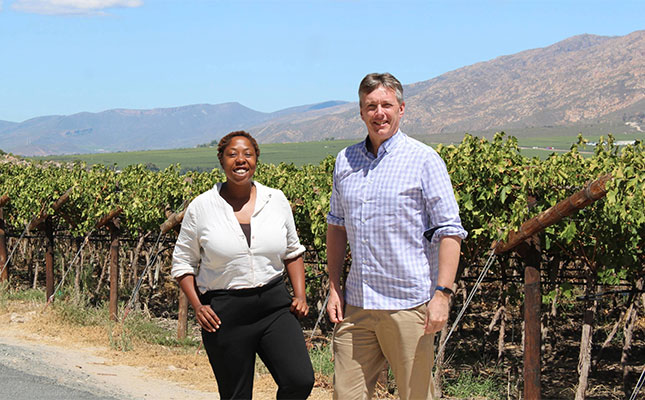
Zimbabwean PhD student Catherine Mazhandu, from Coventry University in the UK’s Research Centre for Arts and Creative Cultures, was given the opportunity to examine the inner workings of Woolworths’ long-running sustainability assurance programme, Farming for the Future.
This included access to 16 years of environmental performance data from the retailer’s top 30 suppliers, along with 68 producer surveys, interviews, and farm visits.
Mazhandu’s four-year study found that the programme delivers measurable environmental gains, strengthening producers’ resilience against external stresses and shocks such as floods and prolonged droughts, and enabling them to consistently produce high-quality fresh produce without degrading soil and water resources.
“Farmers are always walking a tightrope. They face the impact of politics, war, access to inputs, and climate shocks,” she said during a webinar held by Woolworths on 16 March.
“In a crisis such as the COVID-19 pandemic, you would expect their environmental performance to dip. But there was no significant difference between what farmers were doing during times of external shock and at other times.
“This suggests that Farming for the Future provides a buffer that allows farmers to continue production while maintaining progress on their environmental journeys.”
Early gains in water management
Mazhandu’s research shows that farmers typically experience a temporary decline in performance during the first four years on the programme as they transition to new practices. However, those who embrace a long-term approach achieve greater environmental gains.
The most rapid progress was recorded in irrigation and water management, where farmers are more willing to make early investments and operational changes.
“Irrigation and water management is a critical priority. After five years, there is a consistent improvement for producers [in this area],” Mazhandu explained.
Similar notable improvements were seen in pest and plant management, waste management, fertiliser use, and carbon footprint reduction.
“These are areas where producers can see fairly direct operational or cost benefits, so they tend to move quickly,” she added.
Soil improvements take patience
By contrast, gains in soil health and biodiversity tend to emerge more gradually, reflecting longer-term ecological restoration processes.
“Soil varies significantly for each producer and is based on external factors, with an overall consistent positive improvement after 10 years,” Mazhandu explained.
“It takes a long time to change soil structure, moisture and carbon composition. In later years, [soil health] shoots up, but it takes many years of investment, patience, and faith to produce these results.”
Historically under-researched, soil health is increasingly recognised as critical to climate resilience and sustainable food production.
“Soil has been one of the most ignored components in science, and now it is getting the attention it deserves.”
Different crops, different trajectories
Environmental improvements, in areas such as water and soil, do not occur evenly across fruit, horticulture, and vegetable and salad crops. Fruit producers, for example, improved 5% faster than vegetable and salad farmers, presenting opportunities to tailor implementation and training.
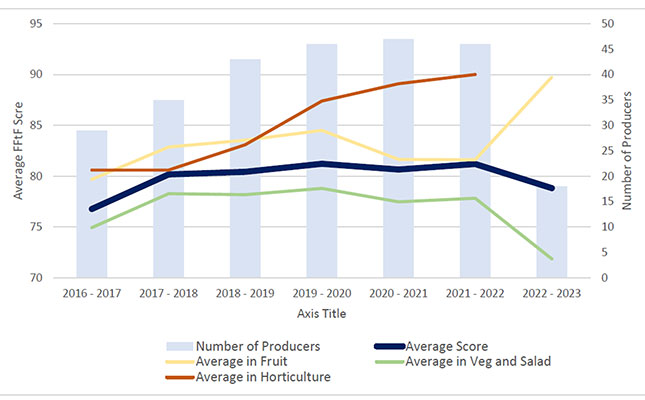
“Each product category has a different trajectory of change over time. Farmers who work with multiple retailers and manage multiple standards, production systems, and regulatory requirements may adapt more quickly and be more open to innovation because they are accustomed to implementing new practices,” Mazhandu said.
Collaboration as a cornerstone
Mazhandu identified a number of key strengths underpinning the success of the Farming for the Future programme, one of which is access to information: “Farmers are always looking for information. Farming for the Future gives them the chance to tap into current industry practices and networking opportunities.”
Another pillar is mutual investment and technical expertise. Unlike many global certification schemes that place most financial responsibility on producers’ shoulders, Farming for the Future is structured around shared investment between Woolworths and its suppliers. This collaborative model strengthens accountability, engagement, and long-term commitment.
“Farming for the Future brings technical expertise and a structured pathway, and that encourages producers to bring their own investment of time and expertise to reach those goals,” Mazhandu said.
As global climate pressures intensify, her research suggests that long-term partnerships between retailers and farmers could play a critical role in building more resilient food systems while protecting the environment.
Kobus Pienaar, technical manager at Woolworths Food, said Farming for the Future supports environmental sustainability and supply stability.
“The programme is not only helping to restore soil health, improve water management and protect biodiversity, but it is enabling suppliers to recover faster from climate shocks, sustain production, and maintain the high quality our customers expect.
“The [research] findings validate our long-term commitment to science-based regenerative farming practices and collaborative investment with our producers,” he said in a media release.