
According to the latest statistics from the South African Agricultural Machinery Association (SAAMA), tractor sales fell by almost 15% year-on-year (y/y) in May, with 542 units sold compared with 635 in the same month last year. Combine harvester sales also declined, dropping 34% y/y to 27 units.
The figures follow a mixed start to the year. Tractor sales declined by nearly 8% y/y in March before recovering slightly in April when 548 units were sold, up 4% y/y. Combine harvester sales also rose in April, up 13% y/y to 52 units.
Farmers cautious about buying new machinery
SAAMA Chairperson Willie Human said the recent sales figures suggest that farmers are becoming more cautious about investing in new machinery.
“While confidence in agriculture remains reasonably positive, there are a number of uncertainties causing producers to think twice before purchasing expensive equipment. Factors such as current crop yields, input costs, commodity prices, interest rates, and weather prospects are all influencing buying decisions,” he told Farmer’s Weekly.
Human explained that rising diesel and fertiliser prices, together with fluctuations in the rand, are placing additional pressure on farmers’ budgets.
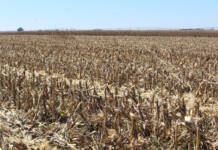
“As a result, many producers are choosing to delay capital investments until they have a clearer picture of the season ahead. The late maize harvest has also postponed some purchasing decisions, and it could still take a few months before the market’s direction becomes clearer.”
Uncertainty, but no dramatic collapse on the cards
However, despite the recent decline, Human said he believes the industry is unlikely to see a dramatic collapse in sales this year.
“Current expectations are that tractor sales for the 2026 calendar year will probably end up close to 2025 levels or only slightly lower,” he said.
In his recent commentary on agricultural machinery sales, Agbiz chief economist Wandile Sihlobo said May’s decline in sales could signal the start of a broader shift in the machinery market after a prolonged period of strong demand.
“This decline may be a mark of a change in sales going forward. South Africa has had a good run, with strong tractor sales for much of 2025 and into the early months of 2026. There was always going to be some normalisation,” he said.
Sihlobo added that the machinery sales seen over the past year were largely supported by strong farm incomes resulting from the favourable 2024/25 grain and oilseed harvest, healthy performance in the horticulture industry, and relatively low interest rates.
However, he warned that the outlook is becoming more uncertain. “The source of our concern is the ongoing [conflict] in the Middle East and the subsequent surge in fertiliser and fuel prices. These two inputs account for about half of input costs in some field crops, and when prices surge, farmers feel financial strain.”
He added that forecasts of an El Niño weather pattern during the coming production season and expectations of lower commodity prices for grains, oilseeds, and sugar cane could place further pressure on producers’ pockets.
Although South Africa is still expected to achieve a record summer grain and oilseed harvest of 21,1 million tons, Sihlobo said he believes it may not be enough to sustain the high levels of machinery purchases recorded over the past year.