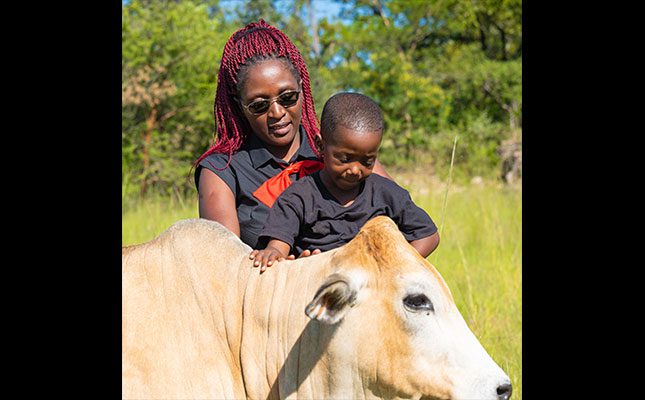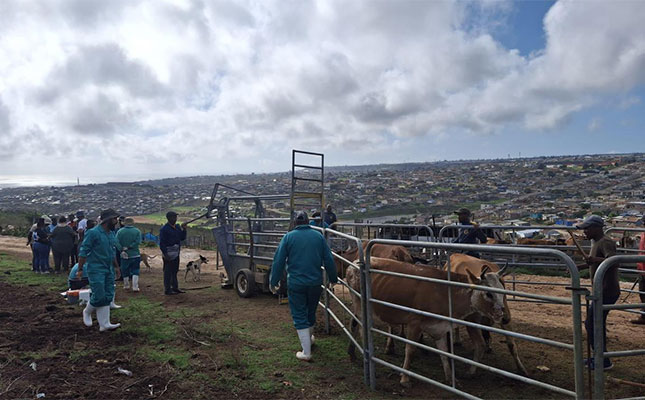

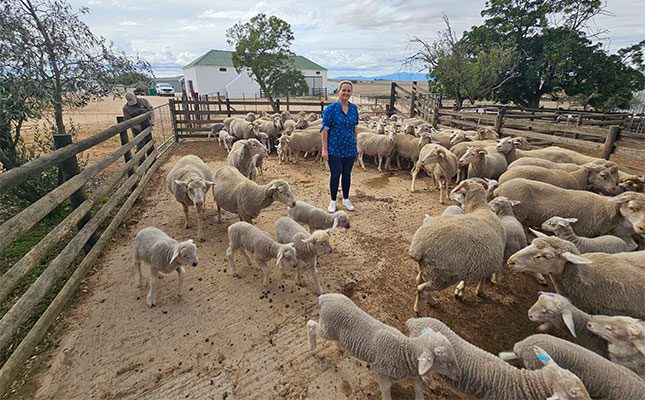
At sunrise on the backroads near Moorreesburg in the Western Cape, veterinarian Dr Suenette Kotze loads syringes and surgical tools into her bakkie. Her first call is a ewe with a torn udder. After that, a bull with hoof rot. Between visits, she fields WhatsApp messages about a lambing gone wrong and a horse refusing to eat.
Kotze does this not from a city clinic or a fully staffed practice but from her registered practice on her father’s Merino stud farm. Her hospital is the veld. Her commute spans kilometres of gravel road. Her patients range from alpacas to cattle, and her days rarely end before dark.
This is the reality of rural veterinary care in South Africa: essential, exhausting, and often overlooked.
The unseen backbone of agriculture
Veterinary services are often associated with suburban clinics and pets, but in the agricultural heart of South Africa, vets are a critical and increasingly fragile link in the national food chain. They support animal health, farm productivity, biosecurity, and sustainable farming practices, and without them, the very foundation of livestock agriculture falters.
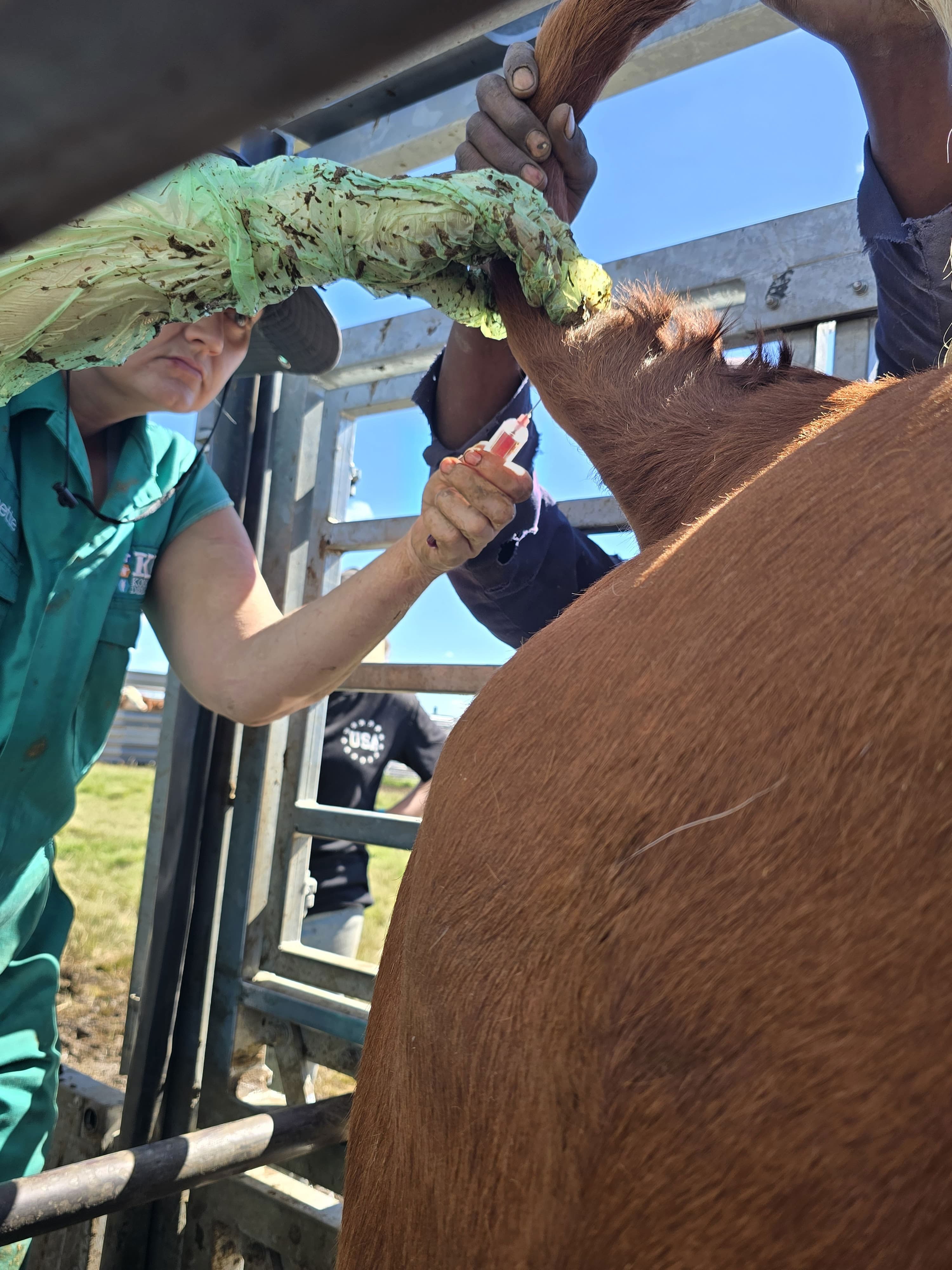
Yet the industry faces mounting pressure. “We’re stretched thin. The work doesn’t stop, and the distances are long. But the animals, and the farmers, depend on us,” says Kotze.
Beyond dogs and cats: the agricultural vet’s role
Agricultural veterinary professionals are responsible for far more than disease treatment. They are frontline defenders of animal welfare, food safety, and public health. Their work includes:
- Diagnosing and managing livestock diseases
- Overseeing herd and flock reproductive health
- Ensuring welfare standards are met
- Preventing the spread of zoonotic diseases
- Advising on antimicrobial and responsible medication use
This combination of clinical, preventative, and advisory work is critical to the long-term viability of livestock farms.
But there are far too few veterinarians on the ground in South Africa.
A sector under strain
According to an article on the South African Veterinary Council’s (SAVC) website, South Africa has just 68 veterinarians for every one million people, which is well below the global average of between 200 and 400.
Worse still is the rural–urban divide. Recent SAVC data paints a stark picture of where veterinary professionals are working:
- Urban small-animal practice employs 1 293 veterinarians, including general practitioners and specialists.
- Rural production-animal practice, by contrast, has only 295 veterinarians.
Among compulsory community service (CCS) vets, only one works in rural production-animal practice, while 13 are placed in urban small-animal clinics.
| Member type | Rural production animal | Urban small animal | Rural small animal | Urban production animal |
| CCS veterinarian | 1 | 13 | 0 | 0 |
| Veterinarian (general) | 281 | 1 232 | 282 | 71 |
| Veterinary specialist | 13 | 48 | 4 | 4 |
| Total* | 295 | 1 293 | 286 | 75 |
*The data presented here have been extracted from a broader dataset that includes all sectors within the veterinary profession. Not all sectors are shown in this summary.
These data reflect the lived experience of rural vets like Kotze: vast distances to cover, too few hands to help, and an immense burden carried by a dedicated minority.
“It’s not just about animal care; it’s [about] logistics, admin, debt collection, and emotional labour, and it never really stops,” she explains.
Mental health and vet work
Behind the dedication lies an unseen struggle: the mental health burden faced by veterinary professionals.
SAVC said in a July 2024 newsletter that, according to research, veterinarians in South Africa are 17% more likely to die by suicide than the general population, a rate higher than that of police officers, paramedics, and firefighters.
The reasons for this are complex:
- The emotional toll of performing euthanasia, often daily, and then immediately presenting a friendly, caring demeanour to the next client
- Delivering difficult news to animal owners
- Legal and ethical risks
- Financial pressure
- Professional isolation, especially in rural settings
“Euthanising a pet you’ve treated for years… it doesn’t get easier,” says Kotze. “It stays with you.”
The fire that changed everything
Kotze didn’t set out to become a production animal vet. After graduating in 2014, she worked as a locum in urban practices, treating pets and considering overseas work.
Then the COVID-19 pandemic hit. The clinic where she worked was sold, and she accepted a severance package. Soon after, she suffered severe burn wounds from hot oil in a kitchen accident.
While recovering during lockdown, she received an unexpected outpouring of support from the Moorreesburg community.
A practice reborn
In September 2020, Kotze launched Korhaansrug Dieregesondheid, a rural practice on her father’s farm. She made house calls across the area, travelling in her bakkie to help elderly clients with pets and livestock. Her true passion lies with production animals like sheep and cattle.
“‘Hospital’ [would have made it] sound like I only treat sick animals. But my focus is broader; I care about reproduction, preventative care, and long-term health. It’s about flock wellness, not just emergency fixes, hence the use of dieregesondheid [animal health],” she explains.
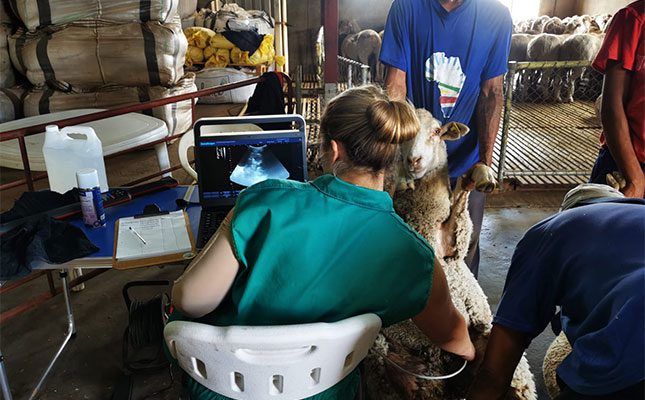
Her calendar moves with the seasons:
- Summer: ewe scanning and condition scoring
- Autumn: lambing and neonatal support
- Winter: horses and small-animal care
- Spring: ram fertility testing and auction preparation
Quiet periods are rare, but when they do occur, she checks in with clients to maintain herd health.
Farming, finance, and female leadership
Running a practice alone brings challenges. Kotze manages the admin, logistics, finances, and client care, often without reliable payment.
“Payment isn’t always guaranteed. I’ve done complicated procedures and never seen a cent. It’s tough, but I do it because the animals matter,” she says.
She also navigates a male-dominated industry, though she says she’s been treated well.
“Some cattle farmers prefer male vets because of the physical work, and that’s fair, but I’ve always been treated with respect.”
In her spare time, she breeds Orpington chickens for shows and Easter Eggers for their colourful eggs, and cares for alpacas, though she says the market for their wool remains tiny.
If she hadn’t become a vet, she says she might have pursued winemaking, but she doesn’t regret her choice.
A system under pressure, and a call to action
Kotze’s story is one of perseverance and purpose, but it also raises critical questions about the sustainability of veterinary services in rural South Africa.
To support the future of agricultural veterinary services, Kotze and the SAVC believe the country needs to:
- Expand veterinary training and consider opening more veterinary faculties
- Offer rural bursaries and incentives to attract new vets
- Promote para-veterinary careers to widen the support base
- Strengthen mental health support tailored to veterinary professionals
- Provide rural veterinarians with buildings or facilities at minimal cost to establish a practice and serve the community
It should be borne in mind that a veterinary facility is a business, and the veterinarian does not receive any financial concessions because he/she is working with animals. The facility must meet minimum standards. Rent and staff, including overtime, must be paid, and medicines and equipment must be bought at normal market rates.
As South Africa faces the challenges of food insecurity, climate change, and threats to public health, the role of veterinarians in agriculture is more vital than ever.
Their work is not just about treating animals; it’s about sustaining rural livelihoods, protecting national health, supporting the farmers who feed the country, and keeping the animal products that we consume safe for consumption.
For more information email Dr Suenette Kotze at [email protected]. Visit savc.org.za.000