
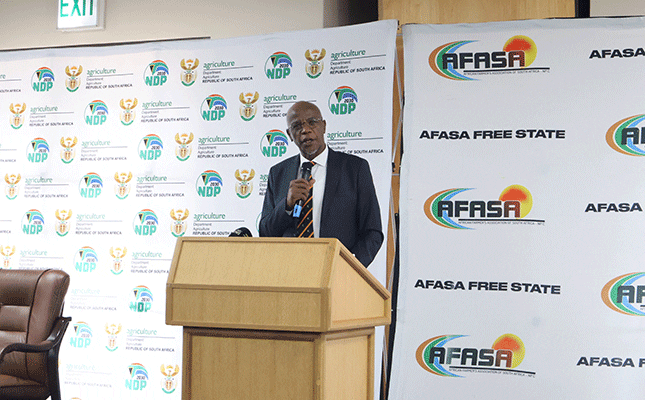
The event took place on 26 November at the Agricultural Research Council’s (ARC) Roodeplaat campus in Pretoria. Under the theme ‘Working Together to Achieve Agricultural Prosperity’, it aimed to build stronger relationships across the agricultural value chain and accelerate transformation, market access, and productivity for emerging and smallholder farmers.
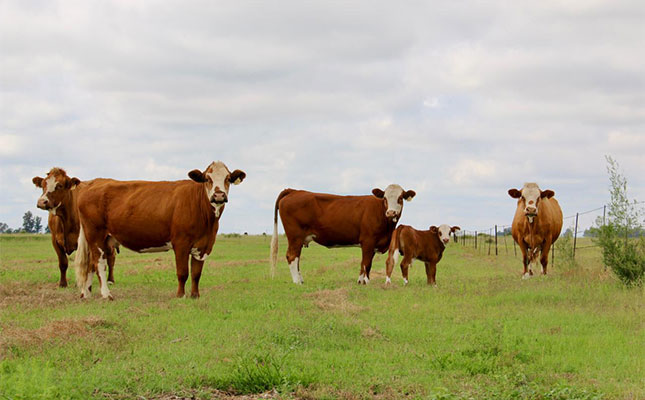
A major highlight at the conference was Minister of Agriculture John Steenhuisen’s announcement that the country’s national herd would be vaccinated against foot-and-mouth disease.
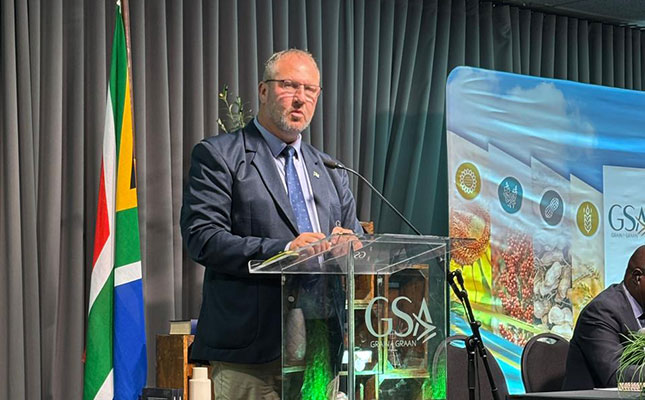
The conference also featured contributions from Department of Agriculture Director-General Mooketsa Ramasodi; Agbiz chief economist Wandile Sihlobo; and a high-level panel involving Land Bank, the National Agricultural Marketing Council (NAMC), ARC, AgriSETA, Red Meat Industry Services (RMIS), and Grain SA. Discussions focused on improving production output, strengthening partnerships, and opening markets for developing farmers.
Speaking to Farmer’s Weekly, AFASA President AJ Mthembu said the gathering was intended to unite key role players behind a shared vision for growth.
“This conference was a call to action. We brought together the public and private sectors to forge lasting partnerships and collaboration that empower farmers and promote sustainable agricultural development.
“A declaration outlining a shared commitment to advancing inclusive growth was signed by key partners, including Land Bank, the ARC, NAMC, AgriSETA, RMIS, Grain SA, the Agricultural Development Agency, and several others at the conference,” he said.
Partnerships and inclusivity highlighted
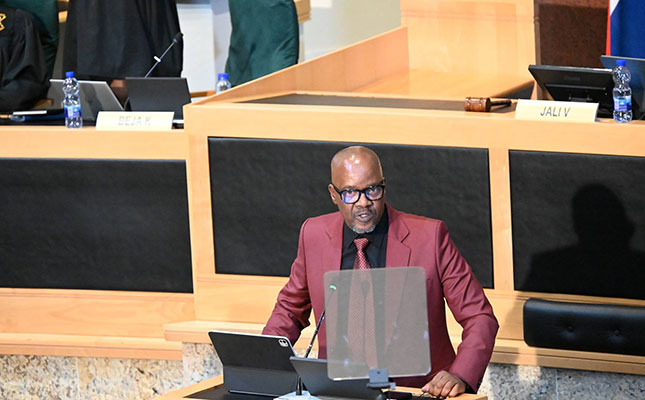
Delivering the keynote address, Steenhuisen said partnerships remain central to building an inclusive and competitive agriculture sector.
“Nothing of meaning in agriculture can be achieved alone. It is a sector that rewards collaboration, trust, and long-term relationships,” he said.
He acknowledged that smallholder farmers still face serious barriers to agricultural success, such as a lack of title deeds, poor infrastructure, high production costs, and limited access to markets.
“If we are serious about building an inclusive agriculture sector, then these structural barriers must fall.”
Steenhuisen also highlighted ongoing government investments.
“During the 2024/25 financial year, we allocated R1,7 billion to support more than 6 000 farmers. This investment was coupled with a deliberate focus on supporting smallholders through job creation, with 3 000 jobs targeted as part of this package.
“Through Ilima/Letsema [a programme that aims to promote sustainable agriculture and improve livelihoods in rural communities], a further R488 million was dedicated to assisting more vulnerable households in food production, creating more than 9 000 jobs.
“These are not abstract numbers. They represent households that can now grow their own food and farmers who can expand, hire, and invest,” he said.
Regulatory development and a crackdown on stock theft
Steenhuisen also announced important regulatory progress, including the approval of indigenous crops and medicinal plants as agricultural products under the Marketing of Agricultural Products Act (No. 47 of 1996).
“This recognition will unlock new opportunities for small-scale farmers, traditional healers, and rural communities,” he explained.
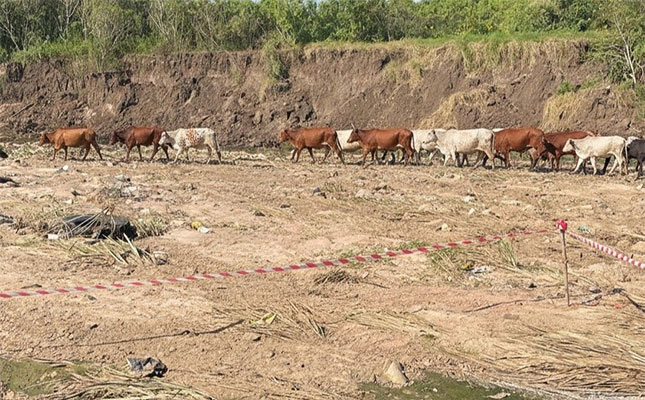
Biosecurity and stock theft also took centre stage, with Steenhuisen saying the high levels of livestock theft (more than 27 000 reported cases in 2023) required firm action.
“South Africa’s livestock economy cannot survive without a functioning animal identification and traceability system and decisive action against criminal syndicates that are bleeding farmers dry. Stock theft is no longer a side issue, particularly in rural communities where livestock farming plays a crucial role in economic stability and access to protein,” he said.
He added that cattle, sheep, and goats accounted for nearly 90% of stolen animals.
“Losses exceeded R1,3 billion nationally, with the Free State alone recording more than R183 million in losses. This means a substantial number of families are losing their entire herds, and communities are rapidly losing their sense of safety.”
Steenhuisen stressed that government is now taking decisive action.
“We are pushing for zero tolerance against perpetrators. We are working closely with the South African Police Service through the Rural Safety Strategy. We are strengthening inter-agency cooperation, pushing for harsh convictions and targeting illegal meat markets. We are investing in new technologies such as DNA profiling and biometric tagging, and I am working with [RMIS] in its efforts to implement a livestock traceability platform.”
Driving sustainable growth in agriculture
In his presentation, Sihlobo highlighted principles for inclusive and sustainable growth, noting that agriculture has the greatest impact on reducing poverty.
“In general, growth in agriculture is two to three times more effective at reducing poverty than an equivalent amount of growth generated outside agriculture,” he explained.
Sihlobo said transformation relies on building a modern, high-productivity, market-oriented agricultural system.
“This requires improved productivity, better access to finance, market orientation, technology, value addition, and strong government support.”
He also warned that having too many farmer organisations can create duplication and confusion, arguing that unions must remain focused on promoting inclusive growth and commercialisation.
Using examples from the National Wool Growers’ Association project in the Eastern Cape, Sihlobo highlighted success factors – shearing sheds, genetic improvement, skills training, and integration into export supply chains – that significantly increased household income in the province.
He also stressed that transformation must be guided by clear principles, including policies aligned with the right incentives, strong public-good provision, farmer contributions, improved land tenure systems, and better market access and infrastructure.
In closing, Sihlobo called for stronger biosecurity, improved agricultural product standards, better-functioning ports, safer rural areas, and expanded blended finance to ensure meaningful inclusion.
Improved traceability can enhance biosecurity
RMIS CEO Dewald Olivier shared insights from his participation in the conference panel discussions with Farmer’s Weekly.
He said the discussions focused on the new vaccination plan for South Africa’s national cattle herd and explored how small-scale and emerging farmers could benefit from it, particularly in terms of biosecurity.
He also highlighted a major challenge facing small-scale farmers, which is a lack of traceability in cattle transactions.
“Without proper traceability, many small-scale farmers are forced to sell to speculators at lower prices. This limits their income and makes it difficult to reinvest in crucial biosecurity measures like vaccinations.
“With proper traceability, farmers can access formal markets, receive fair prices, and reinvest in biosecurity measures. This creates a positive cycle: better biosecurity leads to healthier herds, which in turn allows farmers to access premium markets and boost their income. The increased income then makes it easier to maintain biosecurity standards,” Olivier explained.
He described this cycle as a key advantage for small-scale farmers, saying it not only ensures herd health but also strengthens producers’ financial sustainability and their participation in the formal agricultural economy.