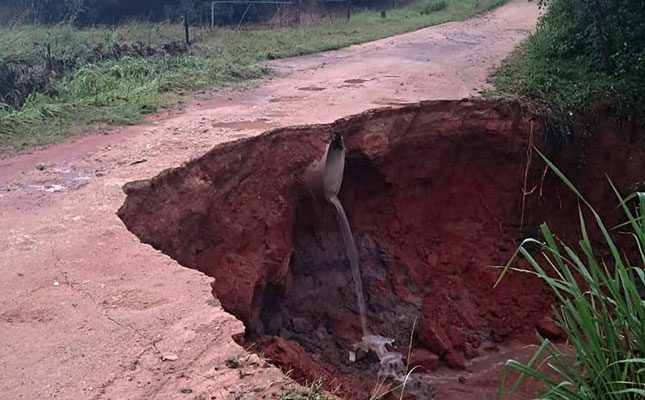
Independent agricultural meteorologist Johan van der Berg told Farmer’s Weekly that because rivers in the region are already at full capacity following high rainfall in December 2025, there is no capacity to absorb more water.
According to data from the Department of Water and Sanitation, Mpumalanga’s dams were at 100,4% of total storage capacity as of 5 January, up from 82% during the same period last year.
READ Anomalies and contrasts ruled SA’s rainfall patterns in 2025
“Of great concern is the impact on Kruger National Park, as fences are likely to be washed away,” Van der Berg said.
He cautioned the public to prepare for the floods as best they could.
Speaking to Farmer’s Weekly, farmers reported record volumes of rain for the season to date. Org Lindeque, a macadamia farmer in the Barberton area, said the farm had received 794mm of rain between 1 September 2025 and 6 January 2026. This included 306mm in December, compared with the 196mm received in December 2024. 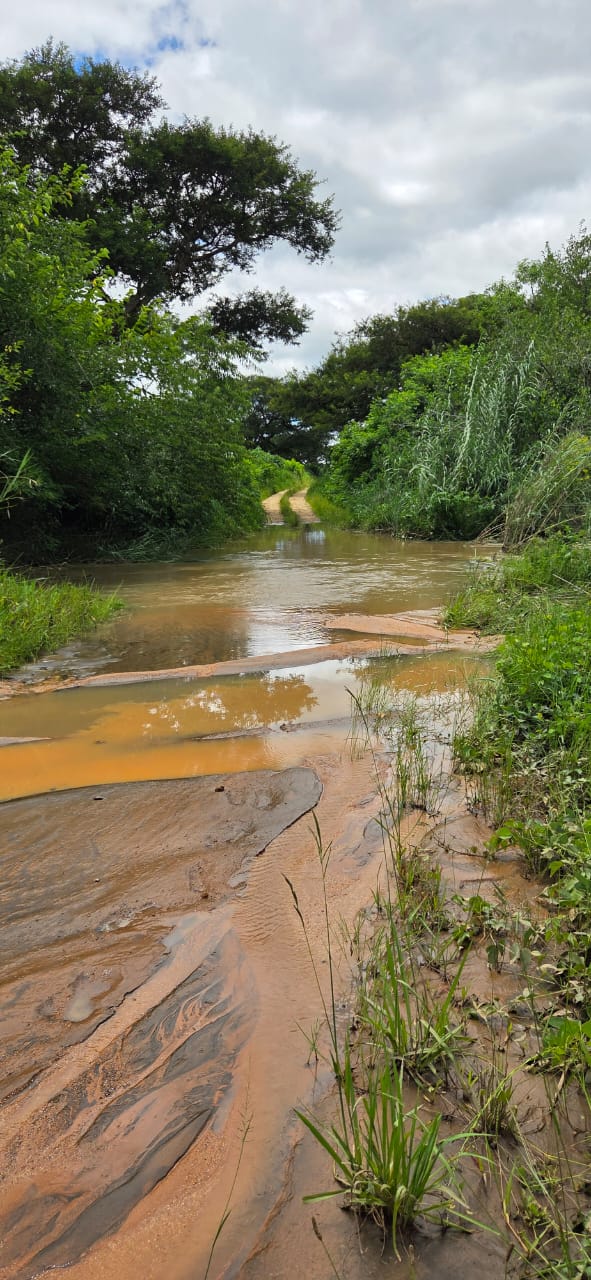
“[2025] was the wettest year in 20 years on the farm,” he added.
Jacques de Villiers, who farms bananas in Kiepersol, said December was historically a hot and dry month.
“But this past December was wet and cool, with maximum temperatures below 25°C. The dams are overflowing, which bodes well for the rest of the year, but the rain has not come without problems,” he explained.
The cooler weather has delayed De Villiers’s banana harvest by around five weeks, as fruit is taking longer to ripen, which has affected cash flow. Prices are in line with seasonal averages and are expected to hold until bananas from Komatipoort and Mozambique enter the market, although those harvests are also likely to be delayed by the cooler conditions.
“The whole season has shifted forwards. We need a really cold winter to reset everything again,” De Villiers added.
Meanwhile, macadamia farmers are concerned over pest pressure, since tractors were unable to get into the orchards to spray.
Lindeque explained that the rain severely damaged roads on the farm and that soaked orchard floors prevented tractors from operating.
“Many farmers did their last spray before Christmas, so the insect pressure is high. If we can’t get into our orchards quickly, we could lose quality on the nuts,” he added.
Lindeque also expressed concern over nut size, since the limited sunshine meant growing conditions weren’t optimal.
“We had a great flower and nut set, since the hot winds that typically cause nut drop in November were absent. But whether the nuts will reach their full size remains to be seen. The harvest will likely be a little later, too,” he concluded.