
The Agbiz/IDC Agribusiness Confidence Index (ACI), released on Wednesday, 11 March, fell by 18 points in the first quarter (Q1) of 2026, dropping to 49. According to a statement from Agbiz, this is just below the neutral mark of 50, indicating that many agribusinesses are becoming somewhat pessimistic about current business conditions in the country.
The ACI survey, conducted in the first week of March, included agribusinesses operating across various industries, including livestock, field crops, horticulture, and wine production.
The index is based on the opinions of at least 25 agribusiness decision-makers. According to Agbiz, it looks at 10 important aspects of running a business: turnover, net operating income, market share, employment, capital investment, export volumes, general economic conditions, general agricultural conditions, debtor provisions for bad debt, and financing costs.
It aims to help business leaders, policymakers, and economists understand how the agribusiness industry views current operating conditions. It also serves as a leading indicator of the value of agricultural output and helps companies make decisions about investments, hiring, and production.
Experts weigh in
Other challenges weighing on the sector include African swine fever in pigs, lower global prices for sugar and wheat, and rising concerns that the Middle East conflict could push up energy and fertiliser costs. Agbiz explained that these factors are adding financial pressure on agribusinesses nationwide.
Commenting on the index, Wandile Sihlobo, chief economist at Agbiz, said the results for Q1 2026 show that all is not well in South African agriculture.
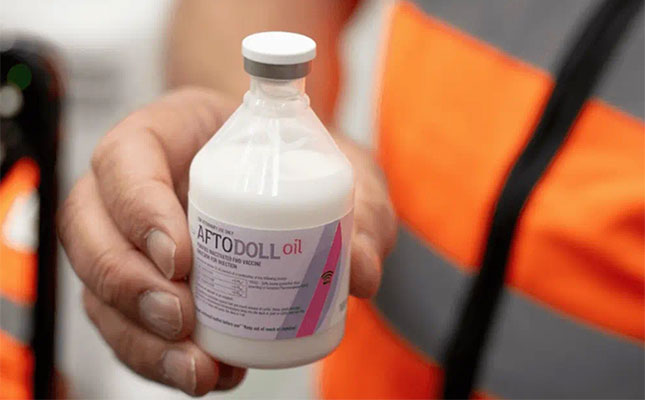
“The livestock and pig industries are under immense financial pressure because of the diseases, and these results mirror the challenge at hand. What remains key is a speedy vaccination process that will get us off the current worrying path.”
He added that the Middle East conflict also presents new challenges: “This complicates exports to the region and puts pressure on fuel and fertiliser prices. These factors may weigh on the sector as we approach the 2026/27 winter crop season and later in the 2026/27 summer crop season.”
Paul Makube, senior agricultural economist at FNB, told Farmer’s Weekly that the most significant driver of the drop in agribusiness confidence was the uncertainty brought about by the conflict in the Middle East.
“This has huge negative implications for logistics, fuel availability and prices, and access to markets,” he said.
“We are heading to a high-activity period on the agricultural calendar. Winter crop plantings are due to begin shortly, while summer crop harvests will start in just over a month.
“This is a period of high demand for fuel, and farmers potentially face huge costs considering the current under-recovery of R6,17/ℓ and R6,28/ℓ for the 500ppm and 50ppm diesel variants, respectively, as of 11 March 2026, according to Central Energy Fund calculations,” he explained.
Speaking about the impact of animal diseases such as FMD and African swine fever on the sector, Makube said biosecurity is a serious issue, given the current outbreaks that have caused major disruptions to the operating environment.
“Producers are under strain due to the intermittent auction cancellations, movement restrictions and quarantines, and export bans. The industry is estimated to have lost R1,25 billion in export revenue in the eight months to January 2026.”
Outlook for the remainder of 2026
Asked what the decline in confidence means for the agricultural outlook for the remainder of the year, particularly ahead of the upcoming winter and summer crop seasons, Makube said:
“While the sector weathered the storm that emanated from animal disease outbreaks and the US’s ‘Liberation Day’ tariffs in 2025 by posting stellar GDP growth of 17,8% year-on-year [in the fourth quarter], the operating environment deteriorated early in 2026 due to external factors, mainly the Middle East conflict.
“The war in the Middle East presents challenges for the agriculture sector on several fronts, including higher costs for imported agrochemicals and fuel, rising freight costs and uncertainty over the availability of vessels for commodity exports, and the closure of the lucrative Middle East market, which may force exporters to divert produce to other markets.”
He added, however, that the latest update on the Middle East situation indicates a potential de-escalation given its huge impact on the broader global economy.
“Further, international crude oil prices pulled back from the lofty highs of just over US$100/barrel [around R1 680/barrel] recently after the International Energy Agency’s 32 member countries intervened to calm the market by unanimously agreeing to the release of 400 million barrels of oil from their emergency reserves.”
Makube said production conditions for the 2025/26 season appear excellent, with a larger area planted to summer crops.
“This is likely to deliver another good agricultural harvest, which bodes well for GDP outcomes in the medium term.
“Efforts to reduce FMD outbreaks by more than 70% in the high-risk provinces within 12 months through systematic national vaccination will go a long way in calming the market and boosting confidence in the sector.”
He added that measures that could help stabilise confidence in the sector include assurances that South Africa’s biosecurity system will improve.
“Accelerating the vaccination programme, boosting the country’s capacity to control and fight diseases, and prioritising agriculture for fuel supplies if the Middle East conflict deteriorates further would be worth considering.”
Aci subindices show widespread decline
Most of the ACI’s 10 subindices declined during Q1 2026, including confidence in turnover, which fell by 21 points to 50.
According to Agbiz, poor winter crop yields, low global wheat prices, and ongoing FMD in beef and dairy cattle were the main reasons for this decline.
Net operating income fell by 22 points to 43, the lowest level since end-2024, reflecting pressures in both the crop and livestock industries.
Market share decreased by 17 points to 54, with inefficiencies at the Port of Cape Town adding to concerns about trade and logistics.
Employment fell by 14 points to 39. Although livestock farming is not the sector’s largest employer, the decline reflects broader pessimism in the sector and concerns about disease and global economic factors, Agbiz said.
Capital investment fell by 20 points to 54. Agbiz said this reflects sentiment rather than actual spending, as farmers are still investing in equipment such as tractors and combine harvesters. In February, South Africa’s tractor sales amounted to 669 units, up 5% y/y, while 19 combine harvesters were sold, an increase of 63% from the previous month.
Agbiz said export volumes fell 25 points to 50 due to rising shipping costs and concerns about the Middle East conflict, even though production conditions for horticulture and field crops remain positive.
Economic optimism, but agriculture under pressure
However, general economic conditions remained relatively strong, declining by just one point to 61. This, according to Agbiz, reflects optimism about the broader economy, supported by credit rating upgrades, South Africa’s removal from the Financial Action Task Force grey list, and reforms under Operation Vulindlela.
Nonetheless, general agricultural conditions dropped 31 points to 39, the lowest level since 2024.
Agbiz said poor winter crop conditions in the Western Cape, excessive rainfall in the north-east of the country, and animal diseases were the main issues.
The debtor provision for bad debts declined eight points to 39, reflecting strong harvests from the 2024/25 season, particularly in field crops and horticulture. This, according to Agbiz, also supports continued investment in machinery.
In addition, financing costs fell 21 points to 62, partly due to recent reductions in interest rates, making borrowing cheaper for farmers.