
South African fruit growers once again showed their mettle in 2025, producing record yields despite challenging developments, such as high input costs and the withdrawal of key pesticides.
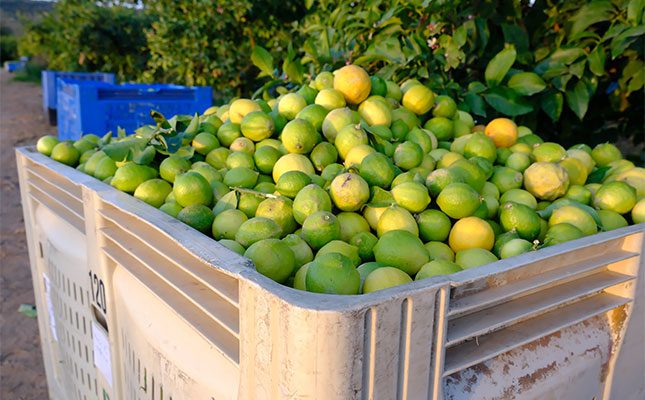
The citrus industry set a new record in the 2025 export season, packing 203,4 million 15kg-equivalent cartons for export, which was 19% above its April estimate and 22% higher compared with 2024.
Dr Boitshoko Ntshabele, CEO of the Citrus Growers’ Association of Southern Africa (CGA), said in a statement that exports were boosted by unusually high overseas demand for processing-grade juicing oranges and juicing lemons, an early end to Northern Hemisphere supply, and improved logistics performance by Transnet.
However, he pointed out that “volume is just one single measure with which to assess an industry”.
“Our growers continue to face challenges, including unpredictable price and market dynamics, rising input costs, as well as market access issues such as high tariffs and unscientific plant health measures,” Ntshabele explained.
He added that, by the time the Trump administration slapped South Africa with 30% import tariffs, “growers in the Western and Northern Cape, the only two provinces that export to the US, were able to increase and fast-track shipments to the US before the tariff deadline”.
Later in the year, the industry got a partial reprieve when South African oranges were exempted from the tariffs, while mandarins, which make up a growing share of exports and are popular in the US, were not.
In the same statement, Gerrit van der Merwe, chairperson of the CGA board, said government should pursue improved market access in China, India, Japan, South Korea, the EU, and the irs manager at the Fresh Produce Export US.
This season, mandarin exports grew 28% compared with 2024, reaching 53,5 million 15kg-equivalent cartons, 19% above the CGA’s April estimate. Lemon exports also exceeded expectations, at 41,3 million cartons, 26% above the April estimate and 19% higher than in 2024.
Navel oranges packed for export rose 25% from 2024 and were 21% above the April estimate, totalling 31,5 million cartons. Valencia orange exports reached 61,8 million cartons, 27% higher than in 2024 and 19% above the April estimate. Grapefruit exports increased 7% from 2024, to 15,3 million cartons.
Deciduous fruit
The local deciduous fruit industry made significant inroads in export markets, becoming the biggest apple exporter in the Southern Hemisphere, significantly increasing its pear exports to India, and obtaining access to the Chinese market for peaches, nectarines, plums, apricots, and prunes.
However, in a statement to Farmer’s Weekly, Hortgro said producers “faced severe pressure from ongoing logistical inefficiencies at key ports, including delays and equipment shortages that affected export flow and market predictability”.
“The industry also navigated new, stricter phytosanitary and market-access requirements in several export destinations, requiring both technical adaptation and rapid coordination.
“In addition, some regions experienced climate-related disruptions – late cold spells, localised hail, and water-management constraints – that placed strain on orchards and production planning.”
Table grapes
By early December, the South African table grape industry was on track to improve on its record 2024/25 harvest and export volumes by a further 0,6%, expecting to export 79,4 million 4,5 kg-equivalent cartons.
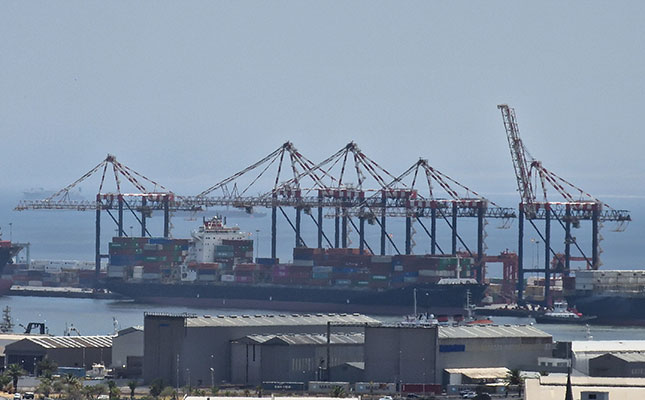
The industry’s narrow export window is vulnerable to wind disruptions at the Port of Cape Town, and the start of this year’s export season was marred by lengthy port closures due to strong winds.
In a statement from the South African Table Grape Industry, Antoinette van Heerden, logistical affairs manager at the Fresh Produce Export Forum, said the port suffered 414 hours of weather-related delays, the most in the past five years. In week 48 alone, the port was windbound for 66 hours, with a system outage further hampering shipping activities.
These delays erased much of the productivity improvements achieved in prior months.
Another disappointment was the absence of South African table grapes from the tariff exemptions announced by the Trump administration in November.
Meeting challenges head on
Meanwhile, several industry initiatives to mitigate the impact of the Trump administration’s tariffs continued throughout the year, some supported by government. These include negotiations for access to new export markets in Asia and efforts to reduce import tariffs on South African products that have already captured significant market share, such as in India.
There was also optimism that agribusinesses, the fruit export industry, and the Western Cape government would once again partner with Transnet to install additional plug points for reefers at the Cape Town harbour, improving the flow of fresh produce.