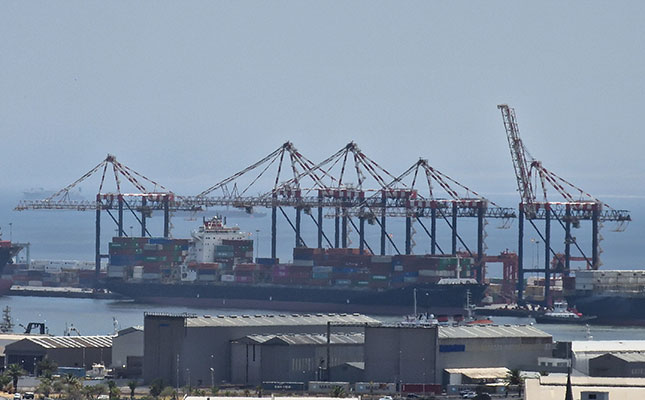
As it stands, around 1,5 million cartons of stone and pome fruit that have already been shipped have not yet reached their final destination.
There is further concern about the availability of critical inputs such as diesel, fertilisers, and machinery for South Africa’s crucial off-season, as many of these inputs come from the Middle East.
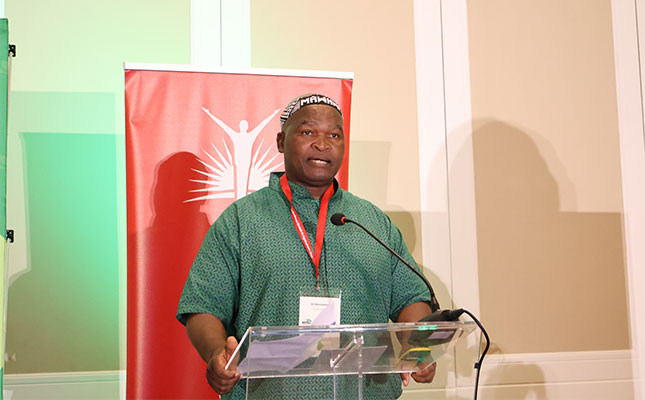
Jacques du Preez, Hortgro’s general manager of trade and markets, says the ongoing war is hitting the industry at the worst possible time.
“It just compounds the disastrous logistical season we have had. There are 1,5 million cartons of stone and pome fruit that are directly impacted, which were shipped to the Middle East during weeks eight to 10,” he told Farmer’s Weekly.
In a press release published in December 2025, Hortgro noted: “Anger and frustration have reached boiling point in the South African stone fruit industry after multiple logistical blunders and unprecedented wind delays caused massive financial losses for growers.”
The industry body said that transport costs for containers from Cape Town to the Eastern Cape and Durban ports have already topped R35 million for the 2025/26 season.
Difficult to reroute fruit
During the 2024/25 season, significant volumes of stone and pome fruit were exported to the Middle East. Hortgro statistics show that of South Africa’s total production, 21% of pears, 12% of apples, 60% of apricots, 34% of peaches, 12% of nectarines, and 17% of plums were sent to the region.
Exports generally follow the same trends each year, and the latest season was no different.
“The Middle East has very specific requirements for fruit, which means it’s not so easy to reroute to other markets. Whatever can be rerouted comes at an additional cost and may lead to an oversupply in certain markets, pushing prices lower,” Du Preez explained.
Earlier this month, major shipping lines MSC and Maersk imposed war-risk surcharges on their shipments to and from the Middle East, ranging from around US$2 000 (about R34 000) per 20-foot container to US$4 000 (R67 500) per refrigerated container.
Additional costs include rerouting fees of hundreds of dollars, reefer plug-in points, storage, and other holding fees that further complicate matters.
“Fruit is being offloaded at unintended ports. Longer transit times have an impact on the quality of the fruit,” Du Preez added.
In its latest Middle East operational update published on 13 March, Maersk said: “Bookings will be accepted to and from Jeddah, King Abdullah, and Aqaba from Monday, 16 March 2026.”
This provides some off-loading and trucking options to other Middle Eastern countries, although at greater costs.
Feared impact on critical inputs
Du Preez said the industry fears the worst as the war drags on: “The availability and cost of fertiliser is a concern. A sharp increase in fuel prices will have a direct impact on transport costs, for both shipping and local transport.”
He added that machinery, equipment, and chemicals are also set to become more expensive. “This places the profitability of farms under pressure,” he said.