
As of 16 January 2026, no disaster declaration has been gazetted. However, Minister of Agriculture John Steenhuisen confirmed at a press conference on 14 January that he is pushing Cabinet to approve the move, arguing that it will unlock critical resources and enforcement capacity.
“Declaring a state of disaster would allow government to bring all the necessary tools to the table much faster,” Steenhuisen said.
“This includes additional law enforcement support, faster procurement of vaccines, and better coordination across provinces that are currently fighting this outbreak largely on their own.”
Speaking to Farmer’s Weekly, ministry spokesperson Joylene van Wyk said the Cabinet memorandum requesting a disaster declaration has already been prepared. If Cabinet approves the request, Steenhuisen would formally declare a national state of disaster by publishing it in the Government Gazette.
Stronger powers, faster response
If FMD were declared a national state disaster under the Disaster Management Act (No. 57 of 2002), the National Disaster Management Centre would be empowered to release national resources such as vehicles, equipment, facilities and emergency funding. These could be used to strengthen vaccination drives, roadblocks, checkpoints, and disinfection operations in affected areas.
Personnel from state organs such as the South African Police Service, South African National Defence Force, and traffic authorities could also be deployed through the National Joint Operational and Intelligence Structure to assist with inspections and the enforcement of livestock movement controls.
In a press statement, the Southern African Agri Initiative said such powers are critical for farmers under severe financial pressure.
“The financial survival of family farmers must be at the heart of all efforts to combat FMD,” the organisation said.
“A national disaster declaration would unlock faster mobilisation of resources, personnel, and procurement processes – the most essential tools for slowing and containing the spread of FMD.”
Emergency procurement provisions would also allow government to bypass standard tender processes to rapidly secure vaccines, diagnostic kits, disinfectants and personal protective equipment.
Containment beyond vaccination
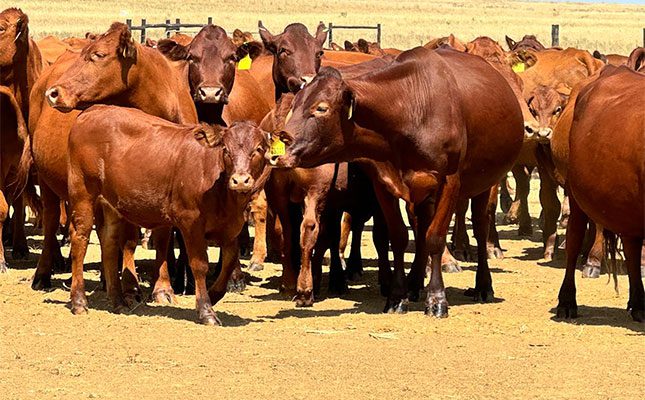
While nearly two million animals have been vaccinated since the latest resurgence of FMD, industry leaders caution that vaccination alone will not stop the disease.
Dewald Olivier, CEO of Red Meat Industry Services, said a disaster declaration would strengthen enforcement capacity.
“Vaccines are not a silver bullet. They must be complemented by strict biosecurity measures, traceability of livestock, quarantine protocols, and proper farm hygiene across the entire value chain,” he told Farmer’s Weekly.
He added that broader government involvement, particularly from law enforcement agencies, is urgently needed to ensure compliance with movement restrictions.
Economic strain farmers
For livestock producers, the economic consequences of ongoing outbreaks are severe. Movement bans have prevented farmers from selling animals, disrupting cash flow and threatening farm viability.
“Producers within disease management areas are facing extreme financial distress and a lack of viable market pathways,” Sandy La Marque, CEO of Kwanalu, said in the organisation’s latest press release.
“The reality is that small to mid-sized agricultural businesses face closure if this situation continues.”
Meanwhile, Olivier stressed that FMD poses no risk to human health: “Meat from [infected] animals is safe to eat, but the restrictions slow the flow of animals to market, creating supply constraints and higher prices.”
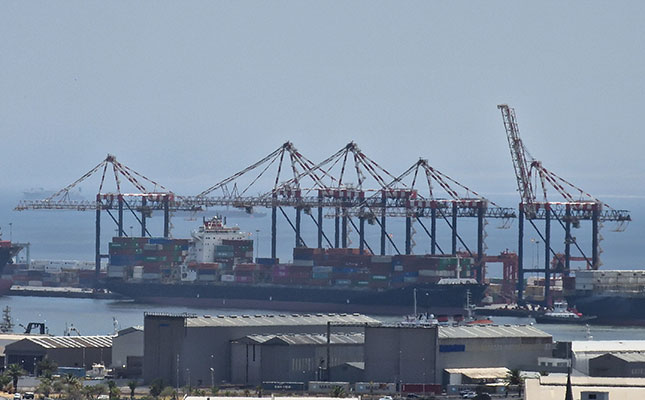
Export losses have compounded the pressure. China has maintained its May 2025 ban on South African beef and other cloven-hoofed products, while Namibia and Botswana continue to enforce strict import controls.
Time-limited, decisive intervention
According to the Act, a disaster declaration would initially apply for three months, with extensions possible. Non-compliance with directives would become a criminal offence, punishable by fines or imprisonment of up to six months.
Despite the temporary nature of the powers granted by the disaster declaration under the Act, industry leaders from organisations including the South African Pork Producers’ Organisation, Milk Producers’ Organisation, KwaZulu-Natal Red Meat Producers’ Organisation, Wildlife Ranching South Africa, the National Wool Growers’ Association, and Kwanalu believe the benefits outweigh the risks.
Kwanalu Vice-President Angus Williamson warned: “Without effective control strategies, this will become a nationwide issue. Declaring FMD a disaster is about buying time and stopping the bleeding before the damage becomes irreversible.”