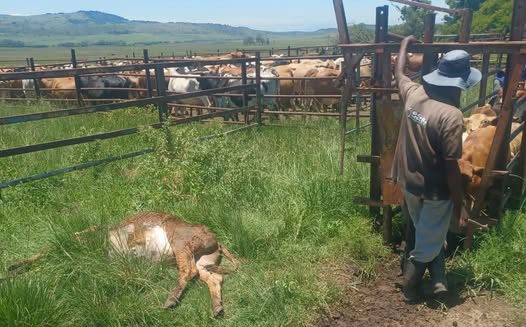
Graphic videos showing farmers burying deceased calves are circulating on social media, highlighting the scale of losses in affected herds.
Industry experts warn that the phenomenon is emerging at an unprecedented scale in FMD-positive herds, particularly among unvaccinated young animals. Urgent access to vaccines is critical to prevent further losses.
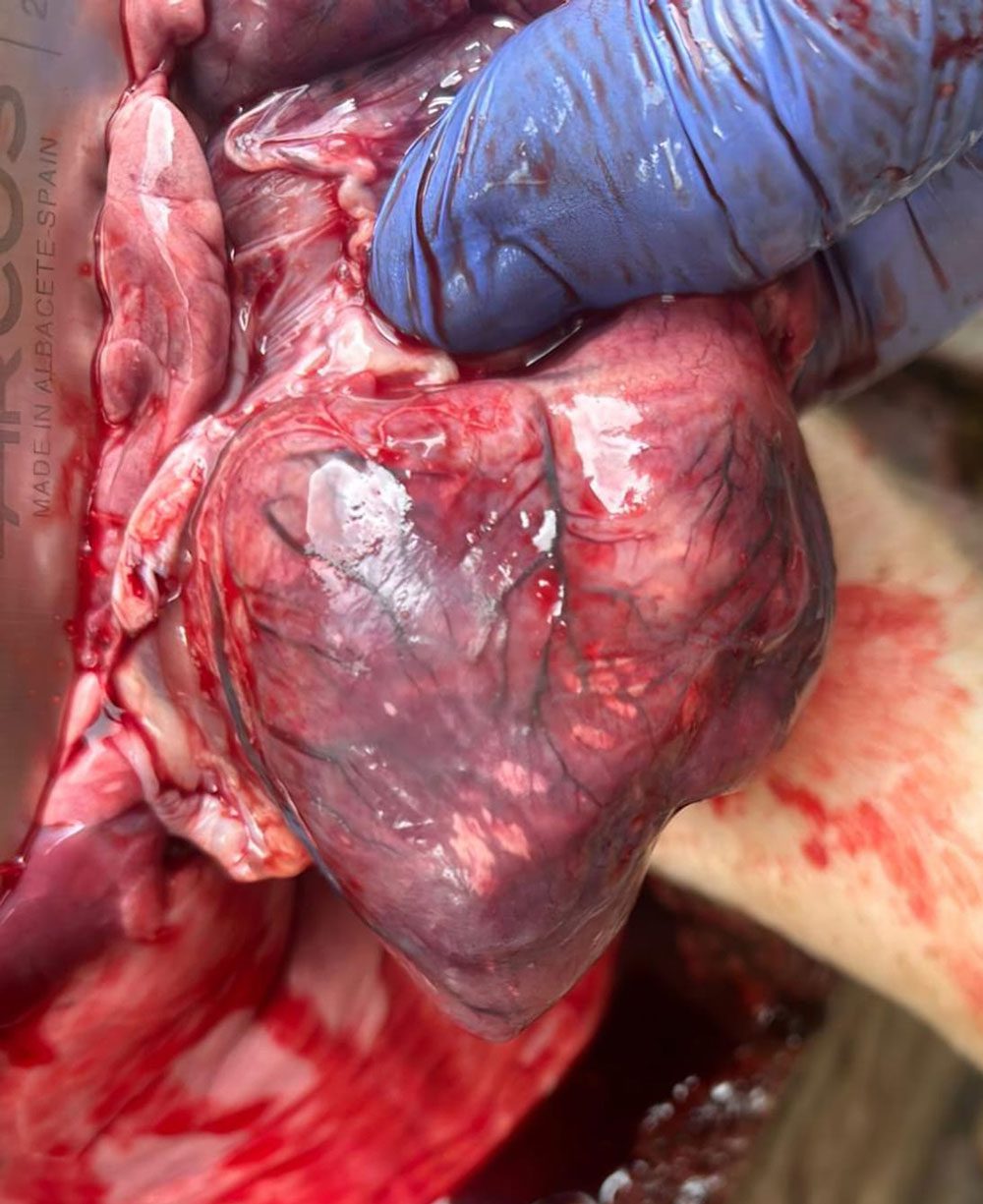
The term ‘tiger heart’ is not a disease diagnosis in itself, but rather a descriptive post-mortem finding. Affected hearts display distinctive pale and dark striping, giving the heart muscle a tiger-like appearance. This pattern reflects extensive myocardial damage that occurs prior to death, often with little or no warning.
According to veterinary reports circulating nationally, the most severe losses are being recorded in suckling calves, particularly those between two and nine months of age. Both beef and dairy calves are affected, with deaths often occurring suddenly, sometimes in animals that appeared clinically normal only hours earlier.
Strong link to FMD outbreaks
Veterinarians investigating these deaths say the common denominator in the majority of cases is active FMD infection within the herd. Infected young animals frequently do not show the classical signs of FMD such as excessive salivation, mouth lesions or lameness. Instead, the virus attacks the heart and lungs, resulting in rapid deterioration and death.
Multiple strains of the FMD virus are currently circulating in South Africa, and the disease is now regarded as endemic across large parts of the country. The timing of the current surge in infections has further compounded the problem, coinciding with peak calving periods in many beef-producing regions. Young calves, particularly those under three months of age, are especially vulnerable due to their immature immune systems.
Dr Andy Lund of Howick Veterinary Clinic in KwaZulu-Natal said many affected her
ds test positive for FMD despite adult animals showing minimal outward symptoms.
“In these herds, calves are bearing the brunt of the infection,” he explained.
“The virus causes severe damage to the heart muscle, which is what we see as the characteristic striped ‘tiger heart’ lesions during post-mortems.”
‘Catastrophic’ losses reported
Consultants working closely with producers described the scale of losses as unprecedented. Emma Niland, a dairy and beef consultant at Intelact, said the current situation is the worst she has encountered in her career.
“This has been the most catastrophic FMD outbreak I have ever seen. Foot-and-mouth is flying like wildfire, and authorities are yet to do anything meaningful to stop it. Thousands of calves and pigs are dying. Tiger heart is a sudden killer and cannot be treated in calves,” Niland said.
Niland, who grew up on a mixed farming operation and has more than a decade of experience in the livestock sector, said the impact is being felt across both beef and dairy enterprises. Intelact represents milk producers responsible for approximately 54% of KwaZulu-Natal’s milk production, giving the consultancy a broad overview of conditions in the province.
“The appearance of tiger heart in these numbers is new and deeply concerning. This is the first time I have ever seen it at this scale, and it has only been in FMD-positive herds. The only way to stop it is through urgent mass vaccination,” she said.
Not a new condition, but a new scale
Lund stressed that tiger heart itself is not a new phenomenon. Similar myocardial damage has historically been observed in cases of clostridial diseases such as black quarter, severe vitamin E and selenium deficiencies, heavy parasite burdens leading to anaemia, and toxin or nutritional stress.
However, the current wave of tiger heart cases differs markedly in both scale and underlying cause. In the present outbreak, the primary driver appears to be viral damage caused by FMD, rather than bacterial infections or nutritional deficiencies. Veterinarians have also moved to dispel rumours circulating on social media suggesting that the condition is linked to grazing, lawn treatments or environmental toxins.
Young calves are not the only animals at risk. Piglets, lambs and kids are also highly susceptible to the FMD virus, and once infected, there is currently no effective treatment available to prevent death in these young animals.
Prevention hinges on vaccination
Industry consensus is clear that prevention, rather than treatment, is the only effective response. Recommended measures include stringent biosecurity measures, comprehensive clostridial vaccination programmes, adequate mineral supplementation (particularly selenium and vitamin E), and strict parasite control to reduce additional physiological stress on young animals.
However, veterinarians and producers agree that these measures alone are insufficient without urgent access to FMD vaccines. Niland argued that vaccine shortages and delays have significantly worsened the situation and that the state must be held accountable.
“The state needs to either provide us with vaccine or allow us to access it ourselves, as we do with brucellosis vaccines, which are also state-controlled. Without adequate vaccines, I don’t foresee this FMD outbreak ending within the next few years,” she said.
Economic and emotional toll
Beyond the immediate animal losses, the economic impact on beef and dairy producers is severe. Calves represent future breeding stock and income, and sudden mortalities undermine herd rebuilding efforts, disrupt cash flow and threaten long-term business viability.
The emotional toll on farming families is also significant, particularly for those losing large numbers of animals over a short period. Many producers report feelings of helplessness as calves die despite their best management efforts.
While authorities have indicated that improvements in vaccine availability may be imminent, producers remain anxious as mortalities continue. Until effective vaccination programmes are rolled out at scale, veterinarians warn that tiger heart deaths linked to FMD are likely to persist, particularly in unvaccinated herds with young stock..
Watch the video below. Viewer discretion is advised.
Get trusted farming news from Farmers Weekly in Google Top Stories.
➕ Add Farmers Weekly to Google ✔ Takes 10 seconds · ✔ Remove anytime