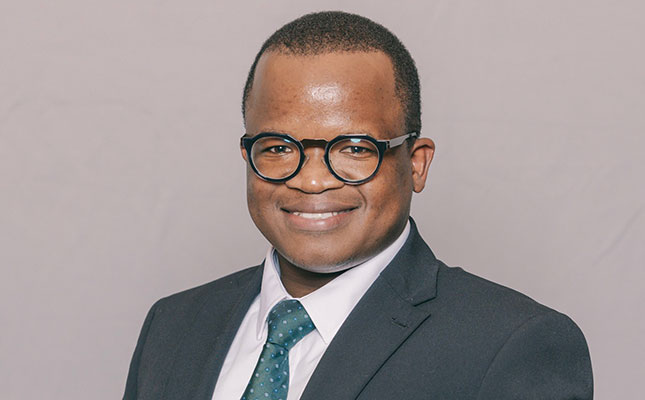
In a statement issued by The Presidency on Saturday, 21 February, Ramaphosa announced that Sihlobo, chief economist of Agricultural Business Chamber of South Africa (Agbiz) and a member of the Presidential Economic Advisory Council, would serve as Presidential Envoy in view of “the importance of agriculture in South Africa’s economic growth path, recurrent challenges in the sector and growth opportunities domestically and abroad”.
What is a presidential envoy?
A presidential envoy is not a line-function official or a replacement for a minister. Instead, the envoy acts as a direct representative of the president, mandated to advance specific strategic priorities, coordinate across departments and entities, and unlock blockages that may stall implementation.
In this case, Sihlobo will support The Presidency’s objectives on agriculture, rural development, land reform and international trade.
According to the statement, he will work closely with relevant departments, as well as state-owned entities such as the Agricultural Research Council, Land Bank and Onderstepoort Biological Products, and engage the private sector to “unlock progress and realise tangible gains”.
The ultimate goal, The Presidency said, is to overcome constraints to agricultural growth while boosting competitiveness, inclusion and exports.
In practical terms, this places agriculture and specifically land reform and trade expansion squarely on the president’s desk.
From policy papers to presidential mandate
Although Sihlobo declined to answer detailed questions from Farmer’s Weekly at this stage, he shared a recent policy paper outlining five priority areas for the sector in 2026 .
The timing of that paper, published in early January, now reads differently in light of his appointment.
In it, Sihlobo argued that much of the sector’s recent growth has been driven by farmer efficiency, technological adoption and favourable climatic conditions, rather than a strong, policy-led growth agenda.
“We can do better,” he wrote, calling for a focused, action-oriented approach.
His first and most pointed priority was land reform.
Land reform: from talk to action
Sihlobo described 2025 as a year with little meaningful land reform implementation beyond high-level statements . He noted that government owns roughly 2,5 million hectares acquired under the Proactive Land Acquisition Strategy and argues that this land should be released to deserving beneficiaries with title deeds.
Sihlobo supports reviving the concept of a land reform agency – an approach previously championed by former minister of agriculture, land reform and rural development Thoko Didiza, which had backing from organised agriculture and Land Bank.
Failure to release land, he warned, continues to limit the contribution of black farmers to commercial agricultural output. He added that the Department of Agriculture (DoA) should reconnect with farmers and shift from endless meetings to implementation-driven action.
Trade, biosecurity and rural safety
Beyond land reform, Sihlobo’s January paper identified four additional priorities: export diversification into Asia and the Middle East, reform of the Southern African Customs Union (SACU), strengthened biosecurity, and tackling rural crime and stock theft .
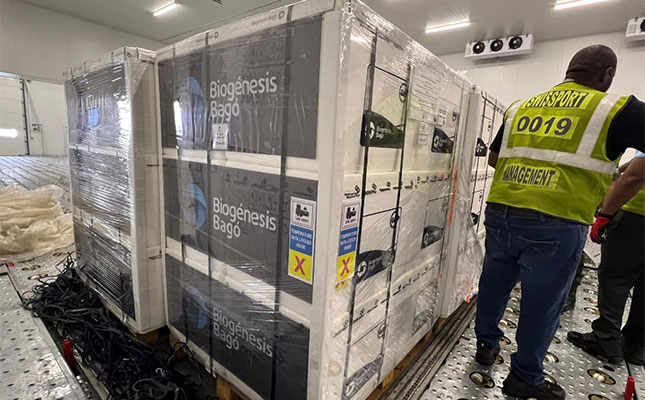
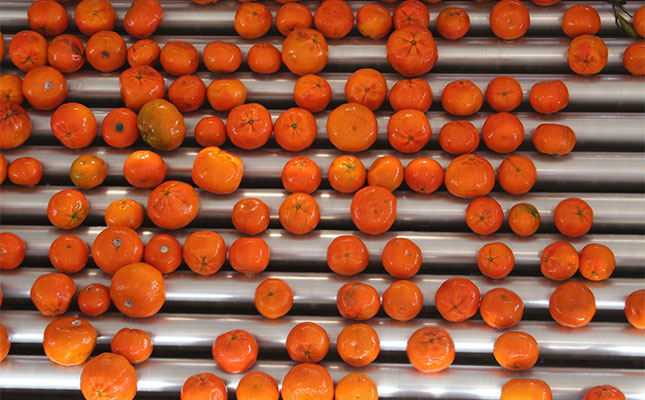
With exports accounting for roughly half of South Africa’s agricultural output by value, improved market access and faster trade negotiations are central to long-term growth. As envoy, Sihlobo’s mandate explicitly includes international trade, suggesting that export strategy may receive renewed coordination at presidential level.
Similarly, his emphasis on biosecurity, including stronger collaboration with research institutions and openness to private laboratories and vaccine manufacturers aligns closely with ongoing disease pressures in the livestock and poultry sectors .
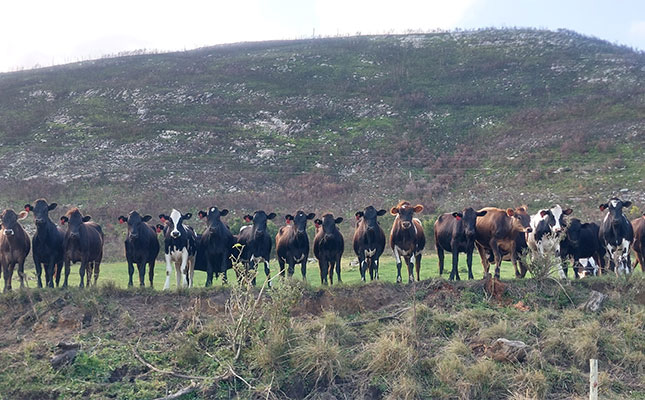
On rural crime, he cited Statistics South Africa figures showing significant livestock losses in 2024/25, underscoring the direct economic impact on farmers .
A shift towards implementation?
The Presidency’s statement frames the appointment as part of a broader effort to boost competitiveness, inclusion and exports. For Farmer’s Weekly readers, the key issue will be whether the envoy role translates into measurable implementation, particularly on land reform, where frustration across the sector remains high.
Sihlobo has consistently argued that organised agriculture and agribusiness are willing to support reform and growth, provided government “eases the path for others to participate”
Now, as Presidential Envoy on Agriculture and Land, he will be positioned closer than ever to influencing whether that path is cleared.
The sector will be watching closely.
Get trusted farming news from Farmers Weekly in Google Top Stories.
➕ Add Farmers Weekly to Google ✔ Takes 10 seconds · ✔ Remove anytime