Veterinary investigations to date indicate that the disease is confined to the single infected property and that control measures have been effective in preventing wider transmission.
In a joint statement issued on 10 December, the organisations confirmed that the Department of Agriculture’s Veterinary Services had officially declared 25 November as Day 0. This milestone is significant in terms of national FMD protocol, as it allows for the controlled culling of the infected herd on the index farm to commence under strict state supervision and biosecurity conditions.
The culling process is a critical step in eradicating the virus from the affected premises. It will be conducted in line with prescribed veterinary protocols, and close oversight by the department to ensure that all biosecurity measures are adhered to. Industry bodies stressed that while the confirmation of Day 0 is an important development, it does not signal an immediate return to normal operations for surrounding farms.
Quarantine restrictions remain in force
All farms within the designated quarantine zone remain under full movement restrictions until the second round of laboratory test results has been finalised. These follow-up tests are essential to confirm that no further infection is present before any consideration can be given to lifting quarantine measures.
The AWC and RPOWC cautioned producers in the area not to assume that the absence of new cases means the risk has passed. Until negative test results are confirmed across the zone, livestock movement restrictions and heightened biosecurity protocols remain legally enforceable.
Abattoir approval still outstanding
One of the key operational challenges at present is the registration of an abattoir for controlled slaughter. The Department of Agriculture is currently assessing the suitability of the identified facility, which must meet stringent requirements before approval can be granted. Discussions between the department and industry stakeholders are ongoing, and securing an accredited abattoir has been flagged as a priority to ensure the culling process proceeds efficiently and in compliance with regulations.
Monitoring without formal roadblocks
Provincial Traffic Services and the South African Police Service will continue to monitor the area, although no physical roadblocks or checkpoints will be established. Instead, law enforcement agencies will maintain a visible operational presence, with compliance to FMD protocols forming part of their broader festive-season operations.
Authorities emphasised that this approach relies heavily on producer co-operation and responsible behaviour, particularly in relation to animal movements and vehicle hygiene.
Biosecurity remains the first line of defence
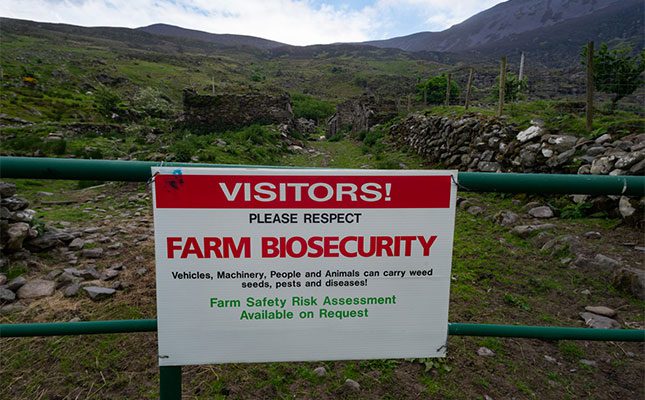
The AWC and RPOWC again urged all livestock producers, transporters and role players not to relax biosecurity standards. Strict on-farm biosecurity, they said, remains the most effective tool to prevent further spread of the virus and to protect the Western Cape’s red meat industry.
Producers were reminded that biosecurity measures should extend beyond livestock trucks to include bakkies and other vehicles moving across farm properties. Training and awareness among farmworkers is also critical, as is regular communication with state veterinary services and private veterinarians.
“We are grateful that the situation remains stable and that no further spread has occurred,” said Louis Wessels of AWC.
“Protecting the Western Cape’s livestock industry remains our highest priority. We will continue working with the Department of Agriculture, law enforcement agencies and the industry to contain, manage and resolve the outbreak. Biosecurity is now more important than ever.”
While the current outlook for the Western Cape is cautiously positive, industry leaders stress that vigilance over the coming weeks will be decisive in safeguarding the province’s FMD-free status beyond this isolated incident.