Hook plays several key roles in Zimbabwe’s cattle industry, serving as chairperson of the Cattle Producers Association, the Nkone Cattle Breeders Society, and the Boran Breeders Society, and as a member of the Zimbabwe Herd Book’s (ZHB) executive committee.
His leadership has been instrumental in reviving the Nkone and Boran societies, both of which had been inactive since the exodus of farmers that followed the country’s land reform programme, which began in 2000.
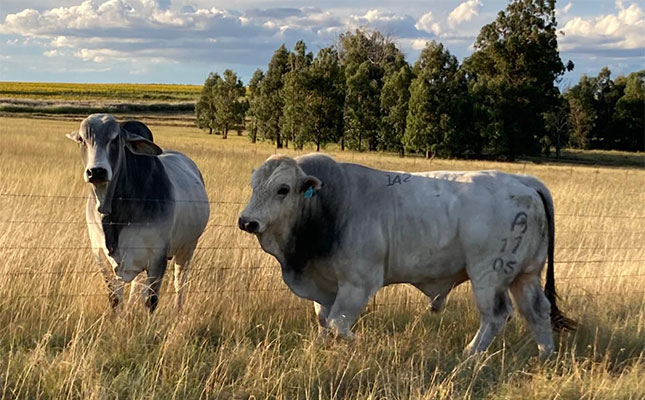
The Boran was first introduced to Zimbabwe at Forrester Estates in Mvurwi in 1993, after around 600 embryos were imported from Kenya, producing just under 300 calves and leading to the formation of the Boran Breeders Society.
After some Boran breeders left the country, the society became dormant around 2004. However, in 2011, it was resurrected by Hook and three others: Dave Jobson, then-cattle manager at Forrester Estates who still runs his own cattle; Solomon Zawe, now-retired chicken and cattle farmer; and Les Mallett, then-CEO of the Harare Show Grounds, now retired.
“We renamed the [Boran] society the Zimbabwe Boran Breeders Society. At the time, I was just a member of the committee, but I took over as chairperson in 2014 when the previous chairperson retired,” says Hook.
“We started with just two breeders: me and Forester Estates. Today, 89 breeders have over 8 600 animals registered with the ZHB, making the Boran Zimbabwe’s second-largest breed after the Brahman.”
Hook’s herd
Born in Harare, Hook attended the Chibero Agricultural College and graduated with a first-class distinction in 1982. After working in various roles, including as a farm manager, he began leasing a farm in Mutorashanga, Mashonaland West.
In 1990, he bought his own property, the 120ha Doonside Farm, primarily a tobacco operation, where he also grew paprika and maize. He then bought his first cattle in 1993, choosing Beefmasters for their low maintenance and suitability to his tobacco operation. In 1995, he imported Beefmaster semen from the US.
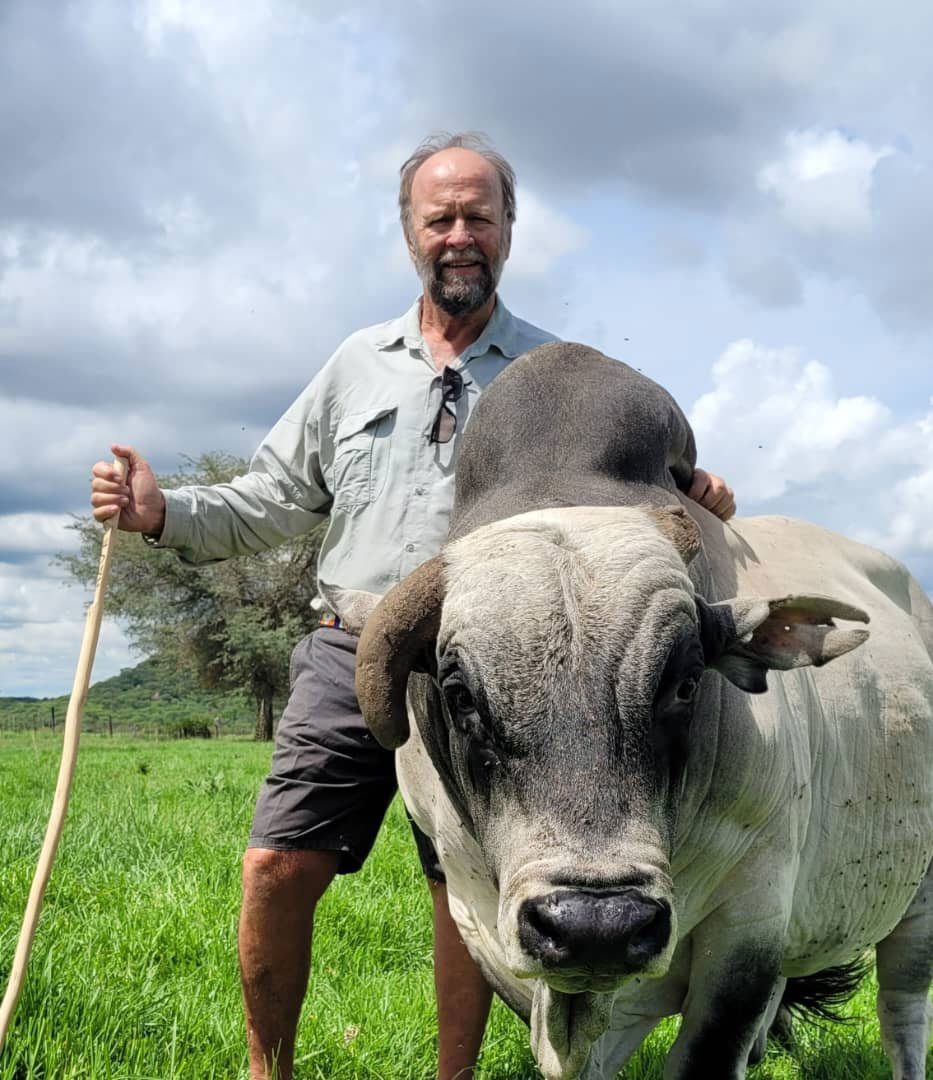
Hook later began introducing Boran cattle, starting with 11 from Forrester Estates in 2005, having found the breed well suited to local conditions.
“What struck me was that in the heat of the day, the Boran were still eating, whereas the Beefmasters were lying under the trees. That’s when I realised the Boran could handle these situations, so I bought another 33 Boran from Forrester Estates and registered them all with the ZHB,” he says.
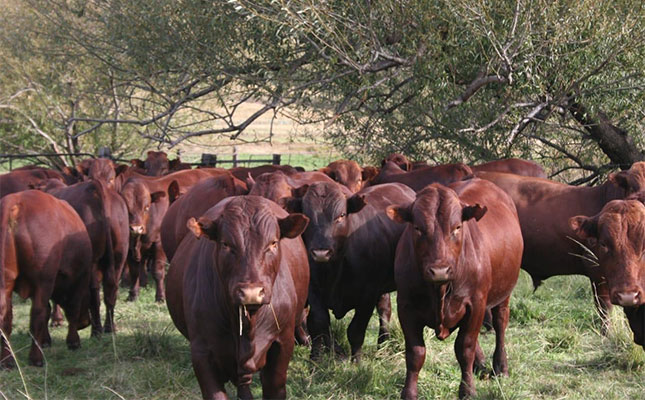
Hook now has a herd of mostly Boran, 650; about 250 Beefmasters and around 100 Nkone.
“Ninety percent of cattle in Zimbabwe are raised in rural areas, where conditions are very hard, with little grass and high competition for food. Large breeds have been tried but haven’t really coped,” he explains.
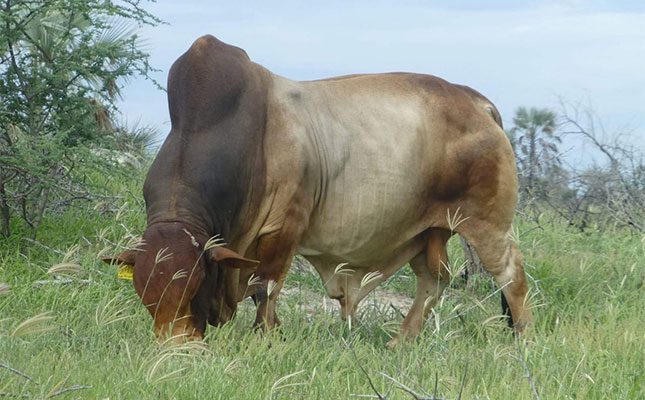
“The Boran is fertile, selected for milk, and disease resistant thanks to its thick skin and natural oily coat, which helps repel insects and parasites. They also recover well after droughts.”
Boran cattle have a huge stomach capacity, which means they can go two or three days without water, which Hook says is an ideal survival trait under Zimbabwe’s management conditions, where animals are often confined for 12 to 14 hours.
“This full gut lets them ruminate all night,” he adds.
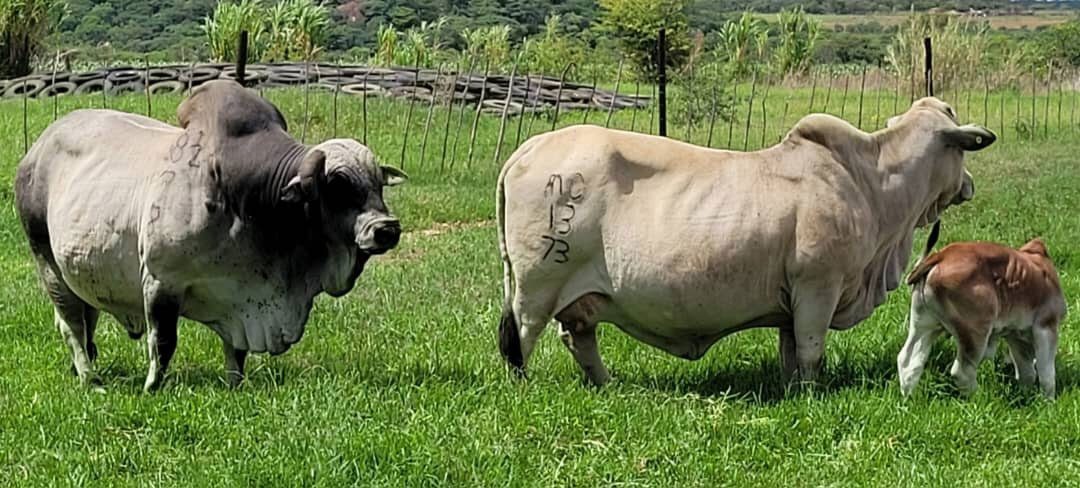
Hook targets an 80% weaning rate, corresponding to a pregnancy diagnosis rate of about 85%. His herd follows two bulling seasons: a 63-day summer period starting around 20 January, and a 42-day winter period beginning in the first week of June.
Cows that do not conceive in summer get a second chance in winter, while those that fail to conceive are culled, reflecting his focus on breeding for fertility.
Reviving another society
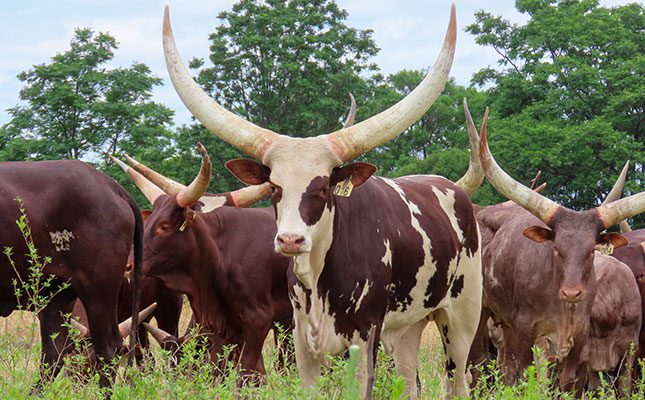
In 2019, Hook was instrumental in getting the Nkone Society back up and running. “The last Nkone herd was deregistered in 2017. The owner had been breeding Nkone for 60 years and had very good records, so the ZHB agreed that if we could get hold of all the records and get the Nkone inspected, we could reregister the breed.
“I managed to get about 50 Nkone cows with my friend George Hulme, and that’s how we resuscitated the Nkone Society,” he explains.
There are now 600 Nkone registered with the ZHB across seven breeders.
Industry growth under threat from fires
According to Hook, fires are a major setback for Zimbabwe’s cattle industry, estimating that 200 000 more calves could be born each year if it weren’t for veld fires, resulting in what he calls ‘man-made droughts’.
Land availability is another major hurdle. Hook needs to rent extra land for his cattle, but uncertain tenure creates significant management challenges. Part of his herd is 12km away, requiring a lengthy commute to attend to them, unlike when his animals were all on his farm and could be dipped on site.
Despite these challenges, Hook remains steadfast in his commitment to preserving Zimbabwe’s cattle industry, demonstrated by his efforts to revitalise key societies and provide ongoing leadership to other farmers.