

Dr Mac

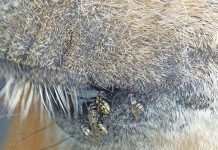
An integrated approach is required for fly control in stables
Whether they’re a general nuisance or disease carriers, it’s essential that flies are controlled throughout their life cycle.
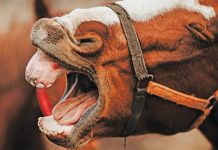
Equine dentistry: is ‘bit seating’ really necessary for all horses?
While most horse owners agree that it’s a good idea for riding horses to be examined by a dentist at least once a year, the need for bit seating depends on the type of riding, says Dr Mac.
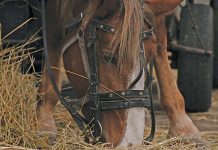
Feed, hay, and other costs are up, so it’s time to get creative
Breeders and riding schools need to explore innovative ways to generate income in order to ensure their survival, says Dr Mac.

Are nosebands really necessary?
Recent research has found evidence of bone and tissue damage in parade horses wearing nosebands, says Dr Mac.

Broodmares and foals on the veld need enough clean water
Horses are herbivores and can survive on natural grazing, but what about the water?
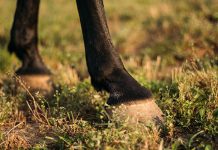
Sidebone in horses: is it unsoundness?
Sidebone is the ossification of the collateral cartilages. It is found mainly in the hooves of heavy Warmbloods, writes Dr Mac.

Global warming and heat stress in horses
The maximum daily temperatures are climbing globally, and stable management approaches may have to be changed, says Dr Mac.
Blood tests: a quick, accurate guide to your horse’s health
Why do veterinarians take blood tests from a horse and what are they looking for? Dr Mac explains the basics of this crucial diagnostic tool.

How does a horse regulate its body temperature ?
Dr Mac explains how a horse uses thermoregulation to deal with changes in air temperature and to cope with vigorous exercise.
The importance of routine in horse care
Fitting your riding times into a daily pattern with stable mates may help to establish an ordered way of life for your horse, writes Dr Mac.
Where have all the horse vets gone?
Faced with an emergency with one of her own horses, Dr Mac experienced South Africa’s shortage of equine veterinarians for herself.
Length of hind hooves can influence soundness in horses
The contribution of the hind hooves to overall soundness, neglected until now, has been highlighted in a new study.
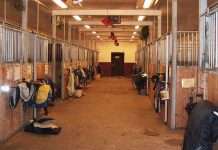
Removal of waste in stables
With its implications for health, waste removal is a key aspect of management. It requires proper planning and a well-designed system that allow the task to be done quickly and efficiently, says Dr Mac.

The pre-purchase veterinary examination
Before you buy a horse, ask your veterinarian to give it a thorough examination, advises Dr Mac.
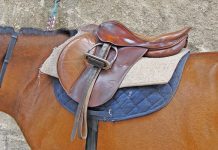
Identifying and treating chronic lower-back pain in horses
It is important to be able to recognise the source of back pain in a horse in order to treat and manage it successfully, says Dr Mac.
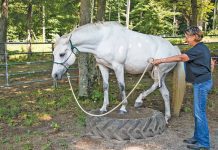
A fear-reducing pheromone based on natural excretions
The calming effect of equine-appeasing pheromone offers benefits to horse, handler and rider, says Dr Mac.

‘Tying-up’ linked to genetics, training and feeding
Incorrect breed selection, training and feeding can lead to muscle pain and cramping in competition horses, says Dr Mac.
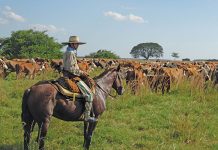
Using horses to manage large herds of cattle
With fuel costs being so high, using horses to manage extensive beef cattle herds makes increasing financial sense, says Dr Mac.
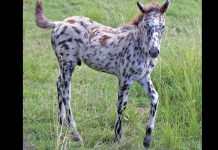
Should you start handling foals early?
When is the right time to begin training a foal? Some trainers believe you should start when the animal is old enough to be ridden, says Dr Mac.

Treating upper airway collapse
Surgery is commonly used to treat upper airway collapse in racehorses, but new breathing exercises using masks may prove better, says Dr Mac.
- ADVERTISEMENT -
- ADVERTISEMENT -
MUST READS




- ADVERTISEMENT -



