

Lindi Botha

Lindi Botha is an agricultural journalist and communications specialist based in Nelspruit, South Africa. She has spent over a decade reporting on food production and has a special interest in research, new innovations and technology that aid farmers in increasing their margins, while reducing their environmental footprint. She has garnered numerous awards during her career, including The International Federation of Agricultural Journalists (IFAJ) Star Prize in 2019, the IFAJ-Alltech International Award for Leadership in Agricultural Journalism in 2020, and several South African awards for her writing.
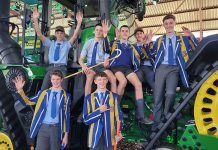
Agriculture gains traction among youth as a promising career path
Agriculture’s growing reputation as a viable career, offering a diversity of focus areas, is attracting more youth to the sector.
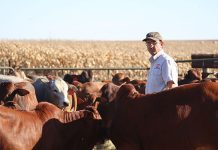
AgriCulture Mpumalanga’s 2025 young farmer talks challenges, hope, growth
AgriCulture Mpumalanga’s Young Farmer of the Year 2025, Hendy-Hein Mathews, does not mince his words when it comes to the challenges the youth face in the agriculture sector. But he is certain that farmers will overcome and continue to provide food for the nation.
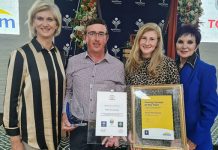
Days of depending on the state are over – AgriSA
Speakers at the AgriCulture Mpumalanga congress in White River spoke about the mind shifts farmers must go through to ensure they stay in business. The AgriCulture Mpumalanga congress that took place in White River last week was held under the theme ‘Here to stay’.
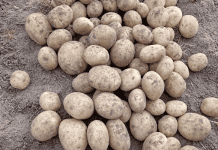
Choosing the right cultivar for profitable potato production
Before planting, it is essential to consider the market, as well as climatic and overall farming conditions. South Africa has over 80 potato cultivars available, although commercial producers primary focus on fewer than 20.
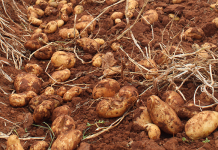
A beginner’s guide to planting potatoes in South Africa
Potatoes are a high value crop that requires a well-thought-out production strategy. With high demands for moisture, fertiliser and crop protection, farmers considering this crop need to pay attention to the basics to reap the rewards.
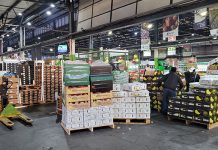
‘Fresh produce markets must be preserved at all costs’
The importance of preserving and future-proofing South Africa’s fresh produce markets was emphasised at the World Union of Wholesale Markets conference, held in Johannesburg, Gauteng from 14 to 16 May 2025.
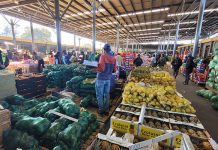
Global conference delegates experience vibrance of Joburg market
On the third day of the World Union of Wholesale Markets conference, held in Johannesburg, Gauteng, delegates were treated to a tour of the Joburg Fresh Produce Market. Nearly 100 visitors from around the world witnessed this unique open market system.
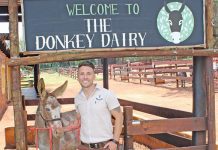
The Donkey Dairy: producing the world’s most expensive milk
Donkey milk has been dubbed ‘liquid gold’ due to its health benefits and high market value. But low production, easily interrupted when donkeys are stressed, makes donkey dairying challenging. Jesse Christelis, owner of The Donkey Dairy, spoke to Lindi Botha about running South Africa’s first such dairy.
Southern Africa to bear the brunt of climate change
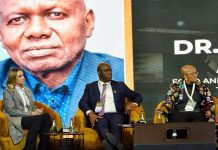
Climate change is set to have a particularly adverse effect on agriculture in Southern Africa, delegates at the World Union of Wholesale Markets conference in Johannesburg, Gauteng, were told.

‘South Africa can drive food security in the region’
South Africa was lauded for its “world-class farmers and agri-food system infrastructure” at the World Union of Wholesale Markets (WUWM) Conference held in Johannesburg, Gauteng this week.
Nampo 2025: ‘Conservation agriculture becoming more bankable’
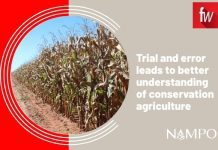
Through trial and error, farmers and bankers have gained a better understanding of what it takes to implement conservation agriculture practices.

More than 200 aircraft expected to land at Nampo airfield
With Nampo Harvest Day being the biggest agricultural show in the Southern Hemisphere, traffic jams are inevitable as over 80 000 people descend on the narrow country roads around Bothaville in the Free State in May each year. The solution? Fly in, as over 1 000 people do each year.
The nurse who became an award-winning vegetable producer
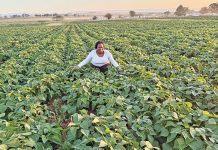
Vegetable farmer Sophy Litshani Musabeni doesn’t miss an opportunity to broaden her knowledge on agriculture. Doing her own research and speaking to those in the know, she has catapulted herself from a small-scale emerging farmer to a commercial success in just seven years.
‘Look east and forget about Trump’ – JP Landman
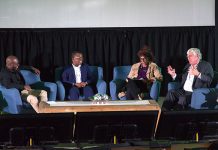
South Africa should forget the US and instead focus its attention on growing export markets in Africa and the East. This was the sentiment expressed by speakers at the AgBusiness day of the Africa Agri Tech conference that took place from 18 to 20 March in Pretoria.
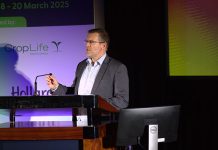
‘Fake news could destroy agribusinesses’
South Africa is ripe for disinformation campaigns about agriculture that could cripple food production and innovation.
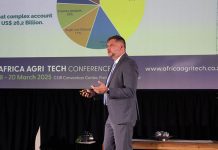
Africa Agri Tech: there is hope for red meat traceability
South Africa is moving closer to implementing a full traceability system for the red meat sector. It is hoped that this will assist meat exports and boost dwindling margins in the industry.

What farmers need to know about Oilseeds in crop
Oilseeds play a dual role on a crop farm, providing a valuable product and a mechanism for enhancing soil health and reducing input costs. Lindi Botha reports on the key considerations to make the best of sunflower, soya bean, and canola crops.
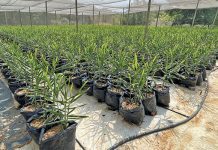
A game-changer for ginger production
The biggest obstacle that ginger farmers in South Africa face is securing enough land to allow for at least a four-year rest period before replanting the same land to the crop. Limpopo farmer Ika Cronjé spoke to Lindi Botha about how she solved this problem by turning to hydroponic production.

Four key strategies to future-proof your farm
Volatile operating environments and consumer scrutiny are putting increased pressure on farming businesses. To navigate these challenges and stay the course, farmers must focus on four areas: succession planning, data collection and analysis, traceability systems, and reporting on their environmental and social impact.
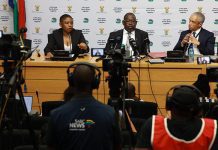
Budget postponement over VAT dispute could affect grants, frontline services
In a first for democratic South Africa, the national budget speech was cancelled moments after it was due to be tabled in parliament by Finance Minister Enoch Godongwana on Wednesday 19 February.
- ADVERTISEMENT -
- ADVERTISEMENT -
MUST READS

- ADVERTISEMENT -



