

Prof Cheryl McCrindle

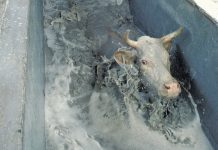
How and when to dip, deworm and vaccinate your cattle
Livestock health management has evolved over the decades to include disease prevention and growing farm revenue. The most effective health management strategies are those that include dipping, deworming, and vaccinating animals. Prof Cheryl McCrindle takes a closer look at these practices.
Are you deworming your horse too often?
Recent research reveals emerging anthelminthic resistance in equines and intenstinal parasite mutation, says Dr Mac.
First-aid basics for small-scale poultry farmers
Commercial poultry producers have their own vets on call, but it’s not always easy for small-scale farmers to reach a vet in an emergency. In the final segment in our series on livestock first aid, Prof Cheryl McCrindle looks at fundamental healthcare for chickens.
Managing your pigs’ health
Losing just one productive pig can cost you a great deal of money. In this, the third instalment in our series on livestock first aid, Prof Cheryl McCrindle of the University of Pretoria discusses the medications and equipment you should have on your pig farm at all times.
A first-aid kit for horses
A veterinarian can take a long time to arrive at your stables, especially after hours and on weekends. Basic first aid treatment is crucial while you wait, says Prof Cheryl McCrindle of the University of Pretoria.
Animal health: putting together a first-aid kit for livestock
Any animal can suffer a sudden traumatic injury or other medical emergency. In this first part of a four-part series, Prof Cheryl McCrindle, a practising veterinarian and professor at the University of Pretoria, details how to treat cattle, sheep and goats in emergencies.

Syringa berries are highly toxic
Syringa berries are highly toxic to livestock as well as children and dogs, warns Prof Cheryl McCrindle of the University of Pretoria. No specific treatment is available, so caution is advised.
- ADVERTISEMENT -
- ADVERTISEMENT -
MUST READS

- ADVERTISEMENT -



