

Better plant survival and germination in hot, dry conditions
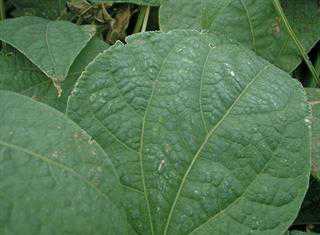
Previously, I described how the high mineral content of borehole water could cause mineral build-up on leaf surfaces, with consequences for the application of chemicals.
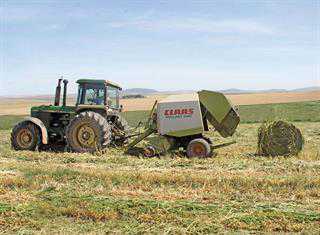
Integrated systems for optimal results
All the production processes in the Uys family’s mixed farming enterprise, from grazing management to cash crops and cover crop production, occur in rotation to benefit one another as well as the soil.

Never a dull moment in the fresh produce sector!
I’ve often written in this column about how stimulating the fresh produce sector can be.
Growing in hot and dry conditions – Part 1
Here are some guidelines for growing vegetables under drought conditions.
Learn from history
Fresh produce markets have an interesting history. Go back more than 150 years and you’ll find a person called the market master who worked for the local municipality and also sold farmers’ produce by auction.
Secrets of a visionary fruit farmer
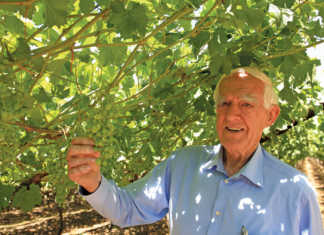
Western Cape fruit farmer Aat Hoekstra (85) recently received the South African fruit industry’s OSH Reinecke Industry Leader Award for 2015. The British Journal of Fresh Produce has also referred to him as South Africa’s fruit-breeding pioneer. He shared his wisdom with Glenneis Kriel.
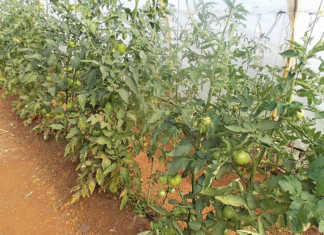
There’s more to crop rotation than meets the eye
Just about every farmer would agree that crop rotation is a good thing – and the more diverse the crops in the rotation, the better.
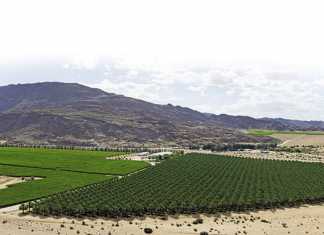
The Karsten Group: International fruit giant
Recently named the Agricultural Writer of SA’s Farmer of the Year for 2015, Piet Karsten has built a farming empire on the Orange River, where some of SA’s top export fruit is grown. Susan Marais visited the Karsten Group’s headquarters in Kanoneiland in the Northern Cape to learn more.
The Codes of Best Practice (CoBP) for National Fresh Produce Markets
The ‘Codes of Best Practice (CoBP) for National Fresh Produce Markets’ prepared by the Project Rebirth Steering Committee (chaired by the department of agriculture) will bring our fresh produce markets in line with international standards.
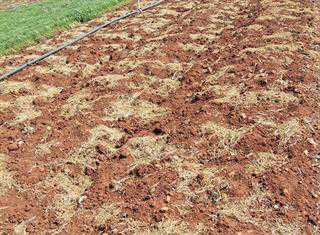
A practical use for no-till farming
No-till is highly practical for small-scale vegetable farmers and organic farmers, while conventional commercial vegetable growers will find some aspects of the practice useful.
Where size counts
I suppose that being in the fresh produce business makes it inevitable that I classify markets according to their size – not unlike potatoes or certain fruit.
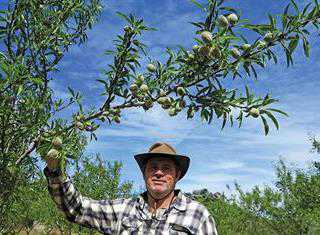
Putting the soil first
Soil quality determines the quality of produce, the volume of water needed to produce it and ultimately the production cost. Restoring degraded soil takes time, but thereafter production costs plummet. Jay Ferreira spoke to organic nut farmer Jeremy Bryant to learn more.
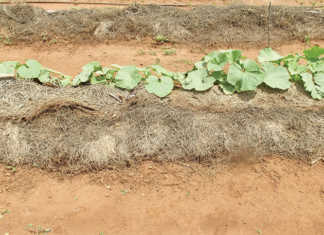
Mulch ado about no-till
No-till farmers have always known that leaving a layer of crop residue on the soil surface increases the humus content.
Food safety struggle
To achieve a HACCP (Hazard Analysis of Critical Control Points) accreditation is costly.
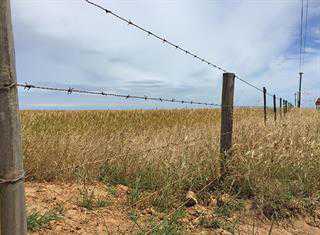
Seeing the drought in context
Viewing the current drought in the Western Cape and KwaZulu-Natal within its historical context allows us to understand it better – and forecast more accurately what is to come. This is according to Dr Johan Malherbe from the Agricultural Research Council’s Institute for Soil, Climate and Water.
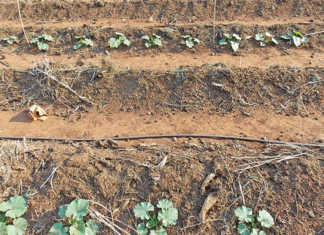
‘Payment exchange’ – a good idea, in part
I heard a new proposal recently from a distinguished ‘market man’ whose opinion I rate highly.
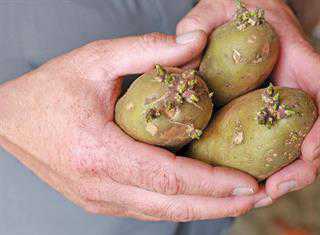
Serious about seed potatoes
CEO of Agrivan Farming in North West, Werner du Plessis, spoke to Gerhard Uys about farming seed potatoes and how his business has remained at the top of its game for over 25 years.
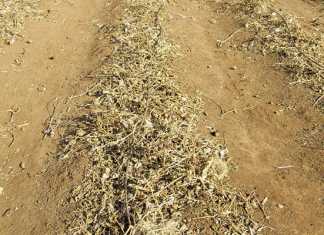
No-till vegetables: how to grow them
No-till vegetable production is not practical for everyone and is more suited to the small-scale organic farmer.
Well-deserved award for Project Rebirth
Last week, I wrote about the 70th birthday celebrations of the Institute of Market Agents of South Africa (Imasa) and predicted that it would be ‘an affair to remember’.
- ADVERTISEMENT -
- ADVERTISEMENT -
MUST READS


- ADVERTISEMENT -



