


Are you legal?
Market agencies are required to register with the Agricultural Produce Agents Council (APAC) before they may conduct business.
Know your tomato seedlings’ needs
Tomato growers invariably buy their seedlings from a dedicated seedling nursery. This usually means the seedlings are produced in seedling trays with 200 cavities.
Tell it like it is
In the market agency business, the establishment of a sound working relationship between producer and market agent remains the single most crucial requirement for success.
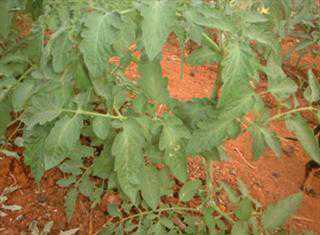
Bringing some sanity to tomato fertilisation
Several years ago I worked for a seed company and, one day, some of South Africa’s biggest tomato growers came to view our trials.
Potato nation
No matter their quality – or ‘health benefits’ – the products we in the fresh produce business handle must still compete for a spot in the hearts and minds of consumers.
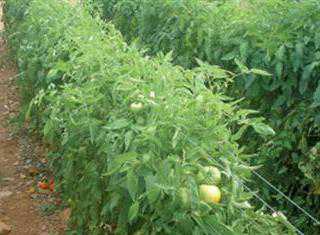
Choosing a tomato variety
We have about 200 tomato varieties in South Africa. This fact alone makes the value of the variety list highly questionable.
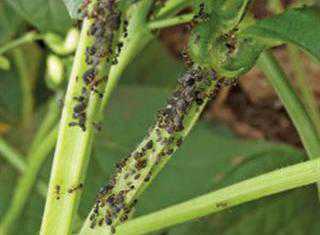
Biological control of aphids
The subject of biological control of aphids is a complex one, as different crops require different approaches, and the season plays a role as well.
Answer that phone!
Businesses that practise good customer relations make sure their ‘frontline people’ – those who answer the phone – are trained, competent, friendly and helpful.
Communication complexities
Communication must be one of the most under-valued and misunderstood activities on a market floor.
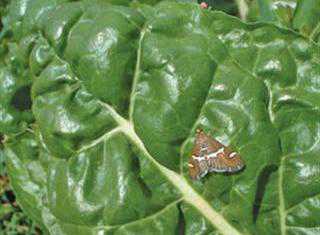
Dealing with Hawaiian beet webworm the biological way
The Hawaiian beet webworm is a caterpillar that attacks beet and Swiss chard. The moth’s delta-shaped wings are brown with white stripes.
Keeping cabbages clear of pests and diseases
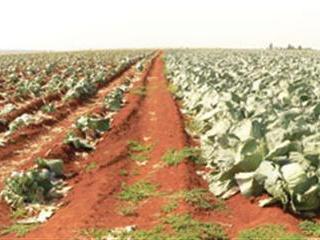
Cabbages are popular with South African consumers and can provide growers with sustainable short-term income. However, sound management is needed for keeping cabbages clear of pests and diseases.
Developing an IPM outlook
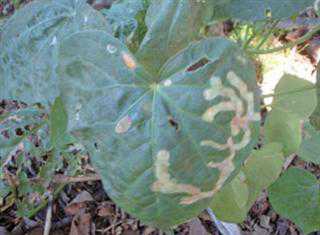
As we’ve said before, integrated pest management (IPM), or using the natural enemies of crop pests to help control those pests, has a long way to go in this country.
Transformation status
I recently attended a workshop on the transformation – or lack thereof – that’s taken place in market agencies since government launched its BBBEE requirements.
How tomato growers can practice IPM
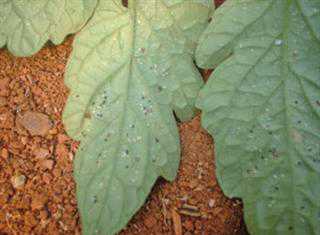
When it comes to Integrated Pest Management (IPM), tomatoes have quite a complex array of requirements which will depend on the varieties planted and the region where they are grown, as some diseases and pests only occur in certain areas.
The giant stirs
At the recent Potatoes SA Marketing Seminar held in Pretoria, Africa came under the spotlight.
Practicing IPM with cabbages
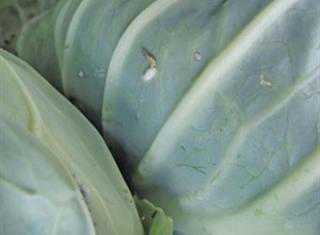
It requires a lot of observation and experience, but Integrated Pest Management (IPM) can be practiced with cabbages.
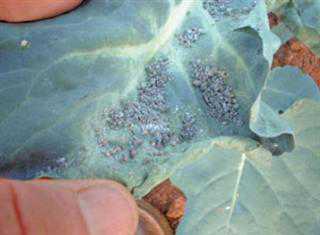
IPM for cabbage aphids
When it comes to cabbage aphids and Integrated Pest Management (IPM), success will depend on the crop being grown, the season and other considerations.
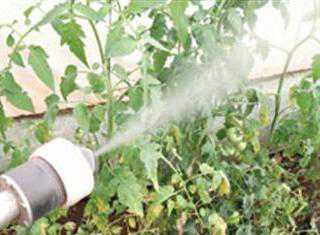
Why we need integrated pest management
Vegetable farmers are increasingly expected to supply produce with low pesticide residues.
Think about it!
I’m not against a farmer supplying direct to a supermarket. I am, however, not in favour of a farmer giving everything to a supermarket. This can rebound on a farmer in a variety of ways.
- ADVERTISEMENT -
- ADVERTISEMENT -
MUST READS

- ADVERTISEMENT -



