
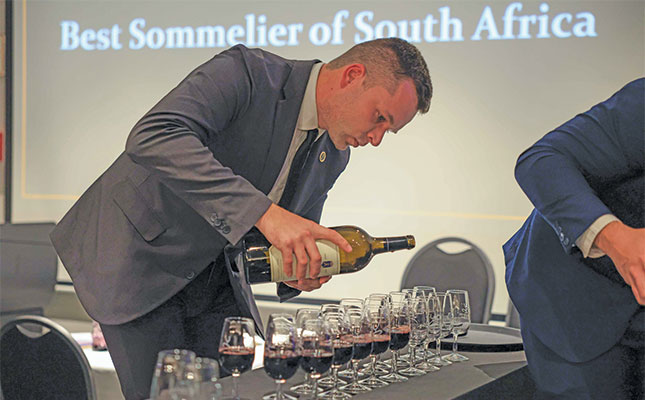
Wine bars, high-end restaurants, special caterers, hotels and vineyards call in the help of sommeliers to help bridge the knowledge gap between customers and wine-makers. The main task of a sommelier is to enhance the customer’s experience with wine, by helping them make the perfect wine pairing.
So how does someone become a sommelier? As with becoming a winemaker, time, effort and gaining an accredited industry-recognised certificate, completed at an industry-recognised institution, are required to be a qualified sommelier.
In the day-to-day life of a sommelier, they will be making expert recommendations on wine and food pairing, explain where each bottle of wine originates from and why it is a suitable pairing mate with the customer’s food.
This means that you need to have broad knowledge of the wine industry, the history of different types of wines, and the techniques producers use to make the specific wines.
You may even be hired to work with a chef to design a wine and food pairing menu.
According to the South African Sommeliers’ Association (SASA), a sommelier is considered a professional viticulturalist in the catering sector. It is a person with their feet in both worlds, who can expertly recommend and serve wine at a professional level.
SASA is an internationally recognised organisation and member of the global sommelier body Association de la Sommellerie Internationale (ASI). Sharing the collective vision, SASA’s mission is to raise the standard of wine knowledge and service in South Africa to reflect the benchmark of international wine service standards.
Becoming a sommelier
Erica Taylor, vice-chairperson of SASA, says becoming a sommelier requires a mix of passion, study and service.
“You’re blending science, storytelling and hospitality all into one,” she explains. “Most people start with formal training through SASA, which offers professional certifications that teach everything from wine basics to advanced tasting and service.”
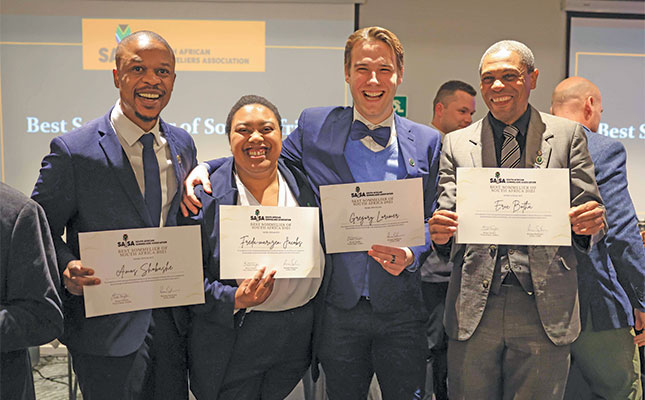
But hands-on experience is just as important as the theory, insists Taylor.
“Working in restaurants, tasting rooms, or wine bars helps you understand the rhythm of service and the joy of connecting guests to the perfect wine. It’s a career where knowledge meets people skills, and no two days are ever the same.”
Demand for services
Taylor adds that there is a high demand for sommeliers in South Africa, particularly as the country’s wine and hospitality scene continues to grow.
“We’re seeing a strong demand from restaurants, lodges, hotels, and wine tourism experiences,” she says.
The demand for sommeliers extends beyond the restaurant floor.
“Sommeliers are also being put into roles in sales, brand representation, and education. It’s a career that can truly open doors, both locally and internationally, especially for those who are passionate, professional, and eager to keep learning.”
People who are endlessly curious and genuinely love others should consider becoming sommeliers, says Taylor.
“Great sommeliers aren’t just wine experts, they’re hosts, storytellers, and interpreters of taste. You need a good memory, a humble attitude, and a knack for making others feel comfortable.”
Benefits and pitfalls
In terms of the particular advantages of the profession, Taylor says sommeliers can look forward to endless learning, travelling, connecting with others, and the privilege of working with some of the world’s most exciting wines.
“You get to meet fascinating people, tell great stories, and help others discover something new in every glass,” she says.
However, it is a demanding industry, and aspiring sommeliers should not underestimate the challenges.
“The hours can be long, and it takes time to build confidence and credibility. But for those who are passionate about wine and service, it’s an incredibly rewarding career that never stands still.”
Internationally recognised accreditation programme
In 2010, SASA set out to create the first internationally recognised Sommelier Accreditation Programme in Africa.
With the help of renowned, industry-tested, and internationally trained sommeliers, the organisation started the long journey of developing and writing their own syllabus, until they became a full member of ASI.
SASA believes education will ultimately make the difference in the industry. According to SASA, education is the vehicle for an exciting journey into the incredible world of sommellerie. It holds the key to growth of knowledge, never-ending opportunities and life-changing experiences.
It is one of the organisation’s main goals to advocate for continuous learning and development for sommeliers in the country.
Sommeliers Academy and Apeirogon Youth Development Academy are the two main educational institutions that bear the stamp of approval from SASA.
With 80 years combined industry experience, each of these institutions has its own dynamic and engaging wine education modules and training courses, and they offer a complete theoretical and practical package to achieve the competency level for the SASA-certified exams.
In addition to these institutions there are a number of very reputable wine schools that are deemed advantageous to potential exam candidates.
SASA is encouraging prospective exam applicants to explore the multitude of learning avenues that are available to them to enrich their knowledge and experience.
For more information visit sommeliers.org.za.