
Latest articles
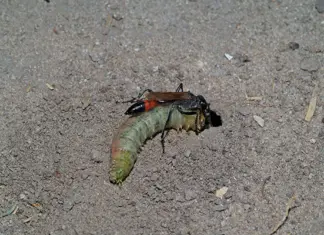
Know your crop pests: African army worm
Despite its common name, the African army worm is in fact the larva (caterpillar) of a moth.


Improving your soil
Kraal manure contains all the nutrients a plant requires, but not
always in the desired proportions.

What you need to know about plant galls
Galls can show up on a plant as a result of attacks by pests and fungi,says Paul Donovan.

Using kraal manure as fertiliser
It’s difficult to move fertilisers from town to your village or farm, but there is an alternative to buying in fertiliser.

About neem oil
The origins of this ‘new’ pesticide can be traced back several centuries, when it was used in cosmetics and medicines, notes Paul Donovan.

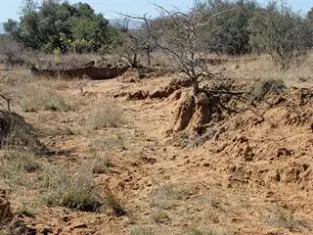
Understanding erosion – Part 2
This week we take a closer look at soil erosion, which reduces productivity and pollutes watercourses, wetlands and lakes.

Watch out for those poisonous plants
One of the greatest risks to farmers is the loss of livestock as a result of plant poisoning. So it’s important to know what promotes
their growth and how to avoid them.

Know your crop pests: Mediterranean fruit fly
Despite its name, the Mediterranean fruit fly is thought to have originated in sub-Saharan Africa. But it has now spread over the entire continent, as well as Asia, Europe, Australia, and the Americas.

Remove bush and increase grazing capacity
Bush encroachment has affected large areas of savannah to such an extent that keeping livestock is no longer viable. Lindi van Rooyen looks at rehabilitation of grasslands.

Know your crop pests: African bollworm
Scientific name: Helicoverpa armigera
Family: Noctuidae
Distribution: Throughout Africa

Groundnuts in a nutshell
A source of plant protein and oil, groundnuts are produced by commercial and subsistence farmers. ARC agronomist Loureine Salomon offers tips for growing this popular crop.

Don’t be tricked by pronkgras
Fountain grass (Pennisetum setaceum, or pronkgras in Afrikaans) can trick landowners into assuming that it is a relative of indigenous blue buffalo grass (Cenchrus ciliaris) and therefore valuable as a grazing plant.
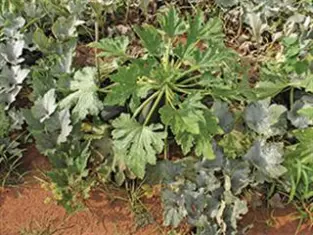
Dealing with powdery mildew
Unless a cucurbit variety has genetic resistance to powdery mildew, you will have to deal with this fungal disease at some stage.
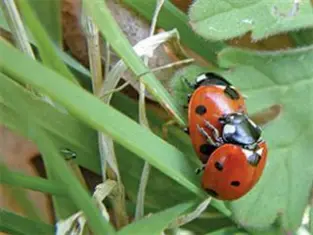
Know your pests: Aphids
All aphids share the same basic body structure. They are small and soft-bodied with a tear-drop shape and sucking mouthparts. Their success is in part due to the prolific asexual reproduction capability of some species.
Know your crop pests
In the coming months, entomologist Paul Donovan will explain how to identify crop pests and suggest various measures to control them.

Farming hydroponically – part 3
Hydroponics is a popular way to grow vegetables because of the high quality of the produce and efficient water use. If you use a greenhouse, you can supply vegetables out of season when the price is good.


Carrot pests and diseases
Protecting carrots from nematodes, leaf and bacterial blight and white mould.