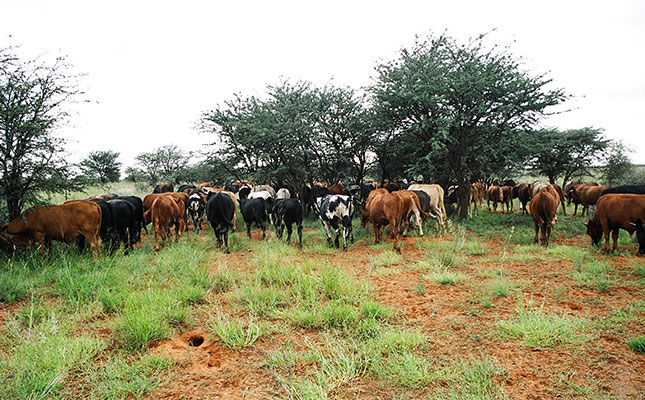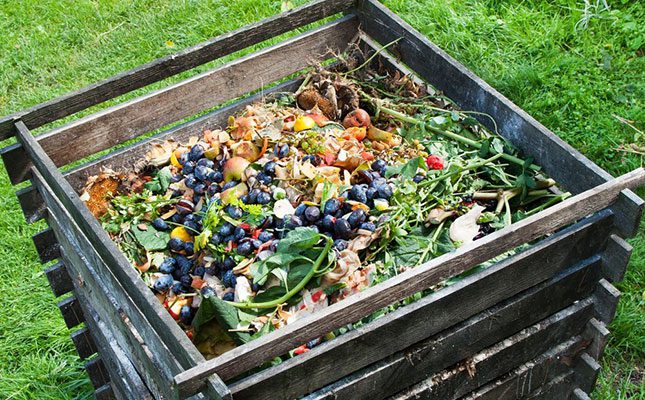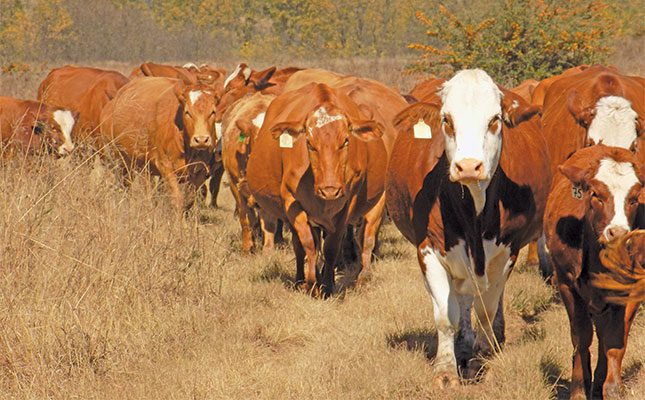

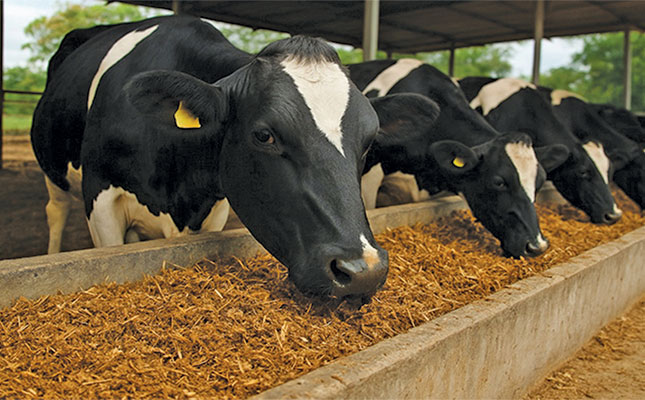
Can something we throw away today become the feed that sustains our livestock tomorrow?
This is the question behind a new research initiative led by the Agricultural Research Council (ARC), where scientists are studying whether spent mushroom substrate (SMS), the material left behind after harvesting mushrooms, can be reused as a nutritious feed ingredient for cattle and other livestock.
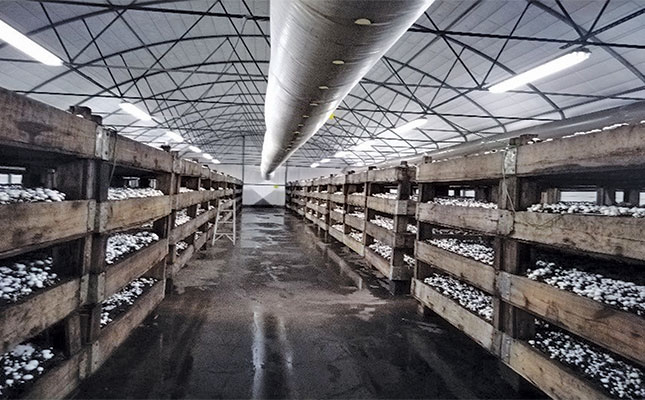
Dr Ingrid Malebana and Dr Klaas-Jan Leeuw are leading this shift through ground-breaking research: exploring whether spent mushroom substrate (SMS), a leftover from mushroom cultivation, can become a valuable livestock feed ingredient.
Every year, mushroom farms across the country dispose of thousands of tons of this substrate.
Traditionally treated as waste, SMS is now attracting attention for a very different reason: it still contains valuable nutrients that animals can benefit from.
Turning By-Products into Opportunities
Farmers constantly face rising feed costs, unpredictable weather patterns, and pressure to adopt more sustainable production systems.
In this environment, the ability to make use of locally available, low-cost by-products can offer a real advantage.
SMS is one such material. Even after mushroom production ends, the substrate retains:
- Moderate levels of crude protein;
- Fermentable fibre suitable for ruminants;
- High dry matter content; and
- Low anti-nutritional compounds, like tannins.
According to the ARC’s preliminary findings, these qualities give SMS potential as a roughage ingredient in livestock diets, particularly for cattle.
How the Research Was Conducted
The study examined SMS from three phases of Agaricus bisporus (button mushroom) production:
- Pre-cook substrate (initial composting of hay/straw into a substrate);
- Post-cook substrate (sterilised composted material); and
- Phase II substrate (substrate left after second cycle of mushroom cultivation).
Laboratory tests were carried out to measure protein levels, fibre fractions, energy content, and secondary compounds.
These results help determine whether SMS is safe, nutritious, and practical for inclusion in feed rations.
What the Numbers Show
A summary of the chemical composition revealed the following trends:
- Dry matter remained consistently high across all phases;
- Crude protein increased slightly after second cycle of mushroom cultivation;
- Fibre levels rose, indicating good potential as a roughage source; and
- Tannins and phenols stayed low, meaning little interference with digestion.
These early results suggest that SMS is a stable, fibre-rich by-product that could reduce a farmer’s dependency on expensive commercial roughages like hay or bagasse.
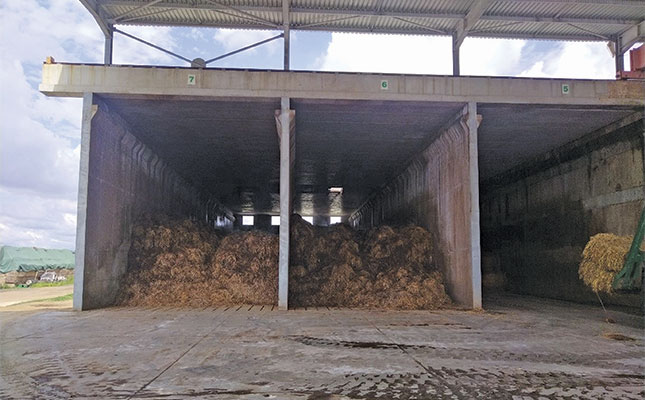
How Farmers Could Benefit
- Lower feed costs
By replacing part of the roughage in cattle diets, SMS could help farmers stretch their feed budgets during dry seasons or high-price periods. - Reduced waste on mushroom farms
Instead of disposing of SMS, producers can supply it to livestock farmers, creating a circular agricultural economy. - Local, readily available material
SMS is produced continuously as part of mushroom farming, ensuring a steady supply in many regions. - Environmentally friendly option
Reusing SMS lowers waste, reduces pressure on natural grazing areas, and supports climate-smart farming practices.
What still needs to be studied
The ARC team notes that while SMS is promising, more research is needed before it can be widely recommended.
Different substrates are used on different species of mushrooms and by different producers, each requiring its own research.
The results of these studies will help determine how much SMS can safely be included in rations and whether it improves or maintains livestock health and performance.
A resource hiding in plain sight
As South African agriculture continues to adapt to economic and environmental pressures, innovative solutions like SMS offer hope.
What was once seen as waste may soon become an important resource helping farmers cut costs, reduce waste, and improve sustainability.
If mushroom waste can help feed our livestock, then perhaps the answers to tomorrow’s agricultural challenges are already right beneath our feet.