
Latest articles
Animal health: about theileriosis
Corridor disease and turning sickness are the two most common forms of theileriosis found in South Africa.
About anthrax
Anthrax is a highly contagious disease of domestic and wild animals that can also affect humans.

Dealing with disease – Part 2
Preventing exposure to disease in the first place is the fourth and final step in disease prevention.
Sows on heat: guidelines to follow
Sows and boars should be paired only when they are about eight months old, even though they reach sexual maturity before this.

5 signs your cattle are on heat
For the most profitable results, get to know the basics of cattle reproduction and herd management.
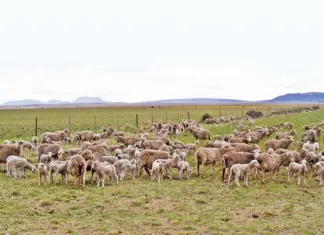
When your sheep are on heat
Reproductive potential can be impaired if ewes are used for breeding too early.

Feeding replacement dairy heifers up to first calving
Heifers must come into production as soon as possible, but care must be taken to prevent them from getting fat.
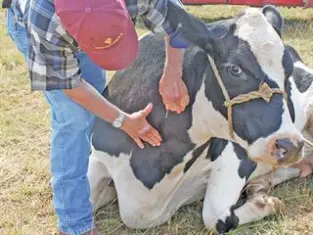

Understanding zoonosis
Livestock can be carriers of diseases that can make you ill and might even be fatal, warns Paul Donovan.

Common zoonotic diseases
These diseases can be life-threatening, so it’s important to understand how they are contracted, says Paul Donovan.

How to keep a donkey healthy
Donkeys and horses have several diseases in common, but symptoms and treatment differ, says Prof Cheryl McCrindle.

Managing donkeys
Many donkeys still run in herds on communal grazing and can be dangerous to humans, warns Prof Cheryl McCrindle.

Improving anthelmintic use
A minimal yet effective treatment programme is the way to go in the fight against anthelmintic resistance, say Gareth Bath and Jan van Wyk.

Brucellosis: a common danger
This disease decreases the profit of cattle farmers and affects food security in rural areas. It can also be transmitted from cattle to people, says Prof Cheryl McCrindle.

Managing internal parasites for sheep and goats – Part l
A holistic approach that regards parasites as part of the natural order of things is your best option when it comes to parasite management, say Gareth Bath and Jan van Wyk.
Goats and sheep – Strutting their stuff
The ‘male effect’ is a natural and ethical way to better reproduction in goats and sheep, says Roelof Bezuidenhout.

How to manage flies to avoid diseases
Flies on your farm are more than a nuisance. A severe fly infestation can affect your cattle’s productivity, hitting profits hard.