
Latest articles
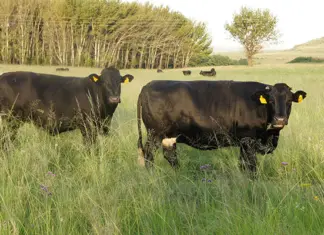
The fascinating history of the Drakensberger
The Drakensberger has a centuries-old history, and was initially bred for pulling wagons and ploughs. However, it has since evolved into an efficient meat-producing animal.
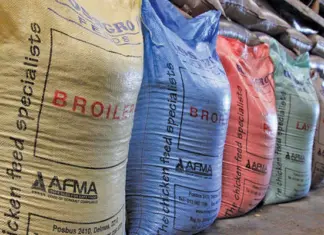
Providing high-quality feed for your animals
Good-quality feed is not cheap. Yet farmers should think twice before buying a substandard product and possibly compromising the productivity of their animals, say Dr Naudé Rossouw, director at Rossgro Feeds in Eloff, Mpumalanga, and De Wet Boshoff, executive director at the Animal Feed Manufacturers’ Association. They spoke to Magda du Toit.

Treating seedy mohair
Seed contamination can result in a lower selling price for your mohair, even though mohair sells relatively well, says Roelof Bezuidenhout.

Working together to control parasites in livestock
Communal farmers in an area should work as a team to implement parasite control protocols for their animals. This will help to prevent the spread of disease and, potentially, huge losses, says Shane Brody.

Brafords: the best of two breeds
The Braford was developed with improved efficiency and meat quality in mind. Today, the breed thrives on the veld and in feedlots. It is also renowned for its early maturity.

Farming tips for winter
Many communal farmer households run cattle and have fruit trees to provide fresh produce for the family or as a business initiative. In winter, you need to pay special attention to both animals and plants, says Shane Brody.

Exploring the traits of the Angus
While the Aberdeen-Angus may have its roots in Scotland, it is thriving in South Africa due to its meat quality and maternal abilities, amongst other traits, according to the Angus Society of South Africa.
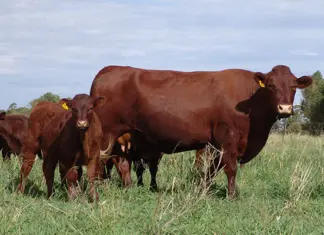
Protect your animals against foot-and-mouth disease
Communal farming groups need to institute quarantine and other biosecurity protocols, especially when it comes to new livestock entering their areas, says Shane Brody.

A basic checklist to keep sheep healthy and productive
The price of replacement livestock has increased dramatically in recent years, so it’s important to obtain the highest-possible lamb weaning rate. Shane Brody explains how to achieve this.

The proper fencing to keep sheep and goats safe
Sheep and goats present a unique challenge to many farmers. Like the rest of your animals, they need to be kept safe and penned in on your property, but their small size and mischievous nature make them difficult to keep in one place, says Dain Rakestraw, director of marketing and client services at Red Brand.

How clever kraaling can restore bare patches
A veld management strategy, based on an old animal husbandry practice, can benefit both communal farmers and holistic resource managers.

Using DNA sampling to deter stock thieves
South Africa’s livestock farmers need every bit of help they can get to counter stock theft, which has reached unprecedented heights. One weapon in the fight is genetic profiling. Susan Marais explores how this technology, which establishes livestock lineage, can help protect a farmer’s assets and bring thieves to book.

Growing your own livestock feed
With a little planning and a lot of care, you can cultivate your own grazing pastures that will feed your livestock for a number of years. In this way, you’ll cut your costs and boost your profits, says Shane Brody.
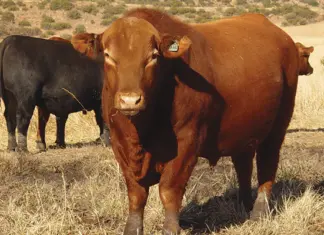
Know your cattle: Angus
The Angus breed was first bred in Scotland in the 1700s. the high quality of its beef was important right from the start. the first importation of angus into South Africa was in 1895, when 10 cattle arrived on the farm of J Newburg in the Free State.
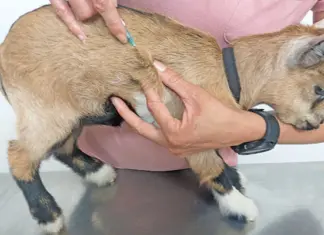
Animal health: putting together a first-aid kit for livestock
Any animal can suffer a sudden traumatic injury or other medical emergency. In this first part of a four-part series, Prof Cheryl McCrindle, a practising veterinarian and professor at the University of Pretoria, details how to treat cattle, sheep and goats in emergencies.
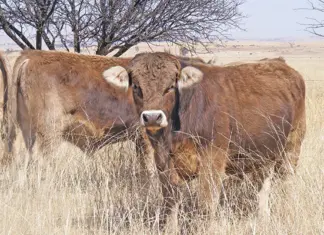
Assessing veld condition
Taking a good look at every camp on your farm will reveal if your veld management system is on the right track, writes Roelof Bezuidenhout.

How to earn more from hides and skins
When an animal is slaughtered on the farm, the skin should be salted immediately. Many farmers don’t bother to do this, thinking the cost of the salt is more than what they can get for the skin. This means the loss of potential income when prices are right, says Roelof Bezuidenhout.

Controlling sexually transmitted diseases in cattle
Wandering cattle from unknown places and of unknown health status can wreak havoc in communal herds if animals from the two groups mate with each other, says Shane Brody.

How ticks can harm animals
Ticks are external parasites that live on the skin or the fleece of livestock. It’s important to know about their effects on your animals.

Sheep selection: the basics
Before selecting sheep, decide on your breeding goals and which type of sheep will adapt best to your conditions and provide maximum income.