
Latest articles
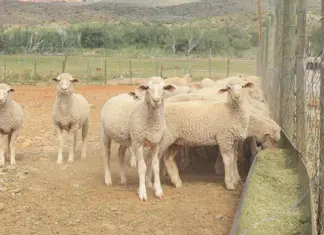
A herd health and production management plan
Dr Danie Odendaal, director of the Veterinarian Network, spoke to Glenneis Kriel about what to consider when drawing up a herd health and production management plan for sheep and cattle. His advice can be applied to most other livestock.
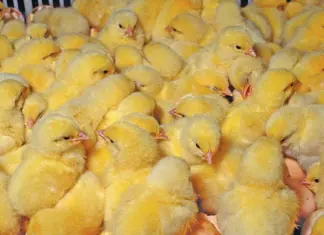
Small-scale egg production basics
This article focuses on how to build, manage and maintain an affordable, small-scale egg production unit.

Managing mastitis in dairy cows
Mastitis can cause devastating economic losses for a dairy farmer. Yet a long-term vaccination programme can be an effective weapon in the fight to control it, writes Robyn Joubert. She spoke to Prof Inge-Marié Petzer, an udder health specialist at Onderstepoort.

Tips for dipping sheep
Sheep need to be dipped to prevent the spread of lice, scab and other economically important ectoparasites.
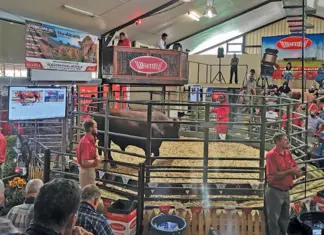
Tips for getting the most out of livestock auctions
Livestock auctions offer a relatively safe way for farmers to trade their animals, with a fairly low barrier to entry. Cornel Landman and Anton Vos spoke to Glenneis Kriel about factors that producers have to consider when participating in these events, and the administrative processes that need to be adhered to.

Why vaccines are so important for your animals
Many medications are available for treating diseases and other problems, such as worms, in livestock. But by far the most important treatment you can give your animals is vaccinations against the diseases that occur in your area. Shane Brody explains why vaccines are different to other medicines, and why they are so effective.

Animal feed: tips for cutting costs and reducing wastage
Feed accounts for 65% to 75% of a poultry or pig farmer’s total input costs. Feed expert Dr Leon Ekermans spoke to Glenneis Kriel about strategies to reduce these costs and prevent wastage.

Dehorning your beef cattle can help boost profits
Removing the horns from your cattle holds a number of advantages. Most importantly, it will prevent the problem of bruised meat.

Tuberculosis in cattle
Tuberculosis is an important zoonotic disease that spreads slowly in animal populations.
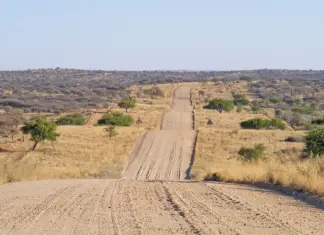
How to reverse soil degradation on your farm
Livestock producers, particularly in arid climates, are struggling to remain profitable. Soil degradation and declining stocking rates have been identified as some of the main reasons for this decline. Colin Nott, a regenerative agricultural consultant from Namibia, spoke to Annelie Coleman.
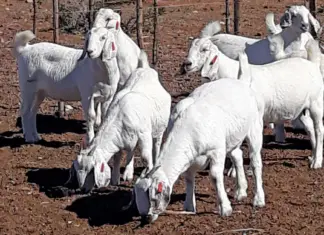
Producing cashmere
Cashmere is one of the finest fibres in the world and is considerably warmer than wool. Products made from this fibre are in great demand, especially in Western countries.

Boost productivity with heifers
The replacement heifer is the foundation of a productive cow herd. Its selection and development can greatly affect the profitability of the farm through its genetics, future performance and longevity.

Thorn tree leaves: a nutritious grain substitute in pig feed
Smallholder pig production in Southern Africa is constrained by feed shortages and the demand for grains to feed the ever-growing human population. This makes it important to identify alternative feedstuffs for pigs.

Tackling a widespread pig zoonosis
Diseases that spread from animals to humans are a serious health risk. One such disease, associated with pigs, is a particular problem in rural South Africa, says Dr Caryn Shacklock of Afrivet.

Regenerative farming for livestock farmers
Faced with increasing financial and ecological pressure, livestock farmers have no other option but to become more sustainable and resilient. Fortunately, explains independent agricultural consultant Dr Louis du Pisani, the solution can be found in well-managed veld, which also contributes directly to the health of the earth.

The importance of breeding seasons and good male genetics
Two factors are crucial to successful livestock production: choosing the right rams or bulls, and planning breeding so that offspring are born at the optimal time of the year.
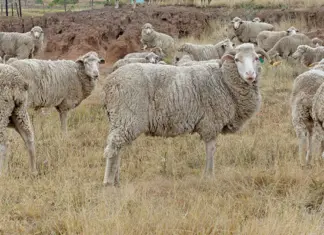
Livestock marketing tips
Informal sales may be a convenient way to improve cash flow in the short term, but they make it difficult to budget, and you won’t be able to take advantage of high prices on the market.

Game handling basics
Providing feed and water for game animals can be challenging, as some methods may cause injury. Here are some helpful tips for setting up feed and water troughs, as well as building a crush.

The Meatmaster: locally developed for low input costs
This composite breed, with its predominantly Damara genetics, is hardy and highly functional.
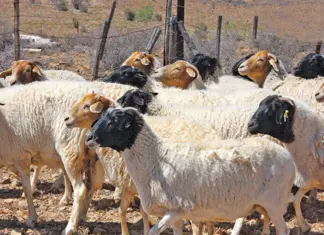
All about the Namaqua Afrikaner
This long-legged breed has a smooth, white hair coat with a black or red head.