

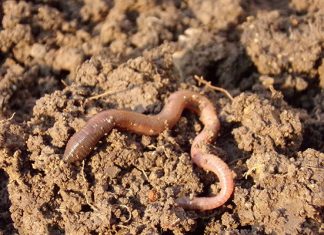
Look after those earthworms!
Earthworms play a crucial role in improving soil quality, and every farmer should try to maintain a healthy population of these remarkable creatures.
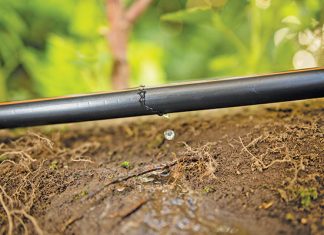
Planning for precision irrigation
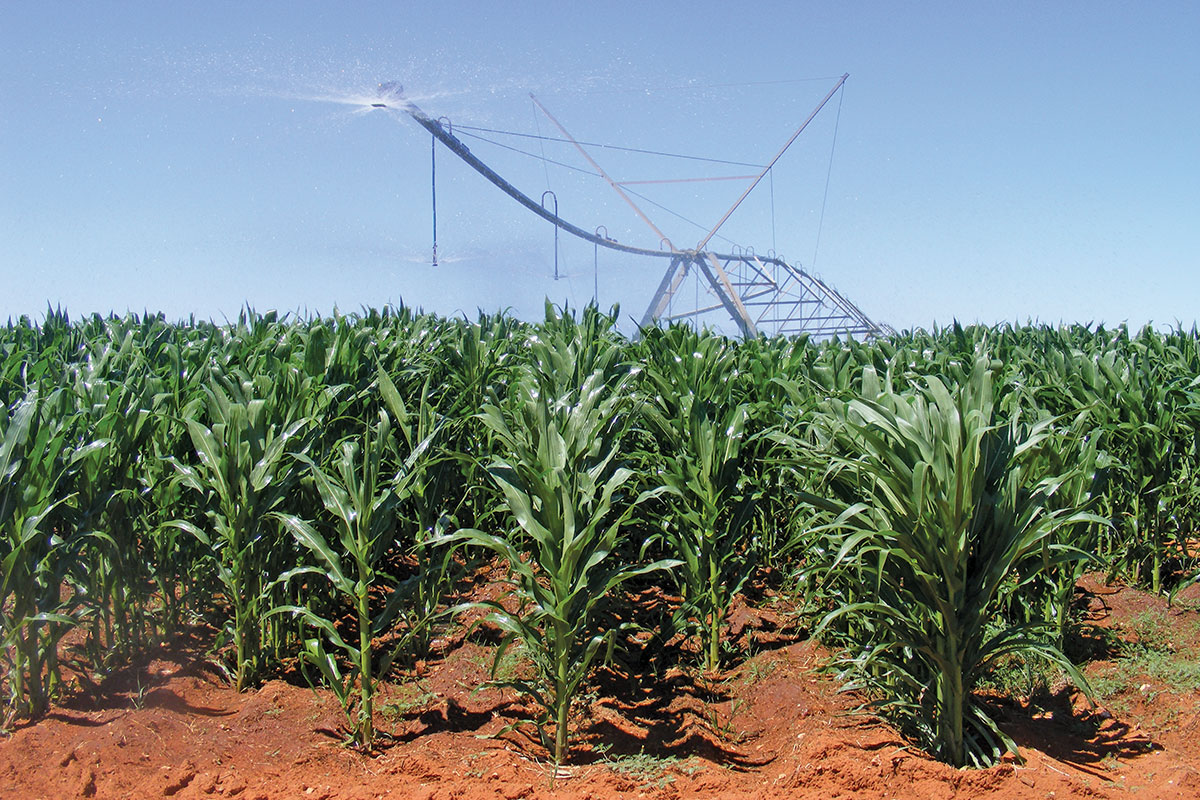
Precision irrigation requires a system designed with all your resources and production goals in mind, with the aim of ensuring optimal production.
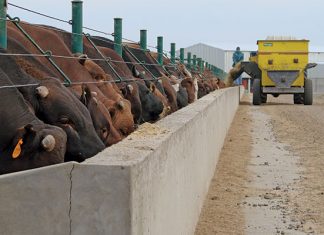
Stress in cattle
As part of an animal’s stress response, its body releases cortisol, a hormone that provides energy to help the animal escape the stressor. If the stress persists, however, the animal’s health will suffer.
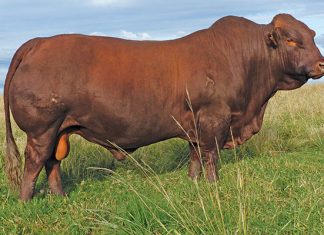
Are top-priced genetics really worth it?
Logic seems to dictate that some livestock producers must suffer buyer’s remorse after purchasing an animal for an eye-watering price. Glenneis Kriel asked a few farmers whether their record-breaking acquisitions have paid off, and found the answer to be unanimous.
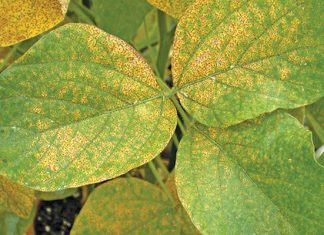
Dealing with soya rust
Soya rust is spread by windblown spores and results in significant crop losses in many soya bean-growing regions of the world, including South Africa.
Beat the heat! How to care for livestock in extreme weather
South Africa’s increasingly common heatwave conditions pose a major threat to the country’s farmed cattle, sheep and goats, which often feed and live outdoors. Lloyd Phillips spoke to a number of experts in the field about the negative effects of extremely high temperatures on livestock, and practical methods a farmer can use to mitigate these.
Irrigation systems for undercover cropping
Maximising water-use efficiency in South African undercover crop farming operations has become both a financial and moral imperative. But selecting the most appropriate undercover irrigation technologies can be a challenge in itself. Three local experts shared their advice on this increasingly complex topic with Lloyd Phillips.
The importance of having a breeding season
Optimal reproductive performance is crucial to the success of a beef cattle enterprise. A defined breeding season can help to achieve this.
The psychology of retirement
Retirement is not a single event; it involves both emotional and financial considerations, writes Roelof Bezuidenhout.
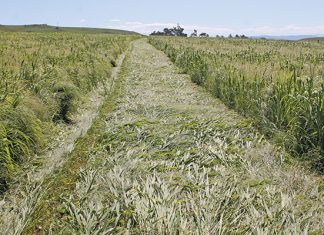
Proper planning: the key ingredient for quality stored fodder
To maximise kilograms of meat or wool produced per hectare, it is crucial to maintain a farm’s carrying capacity during winter. This invariably means producing high-quality stored fodder, and making sure there is enough of it. Deal Miles, a beef, mutton and wool farmer in the Cedarville area of the Eastern Cape, outlined his methods of achieving this to Lloyd Phillips.
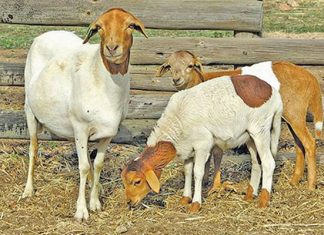
The basics of the Bapedi breed
These fat-tailed sheep, which are smaller than average, are kept for meat. They appear in various combinations of white, brown, red and black.
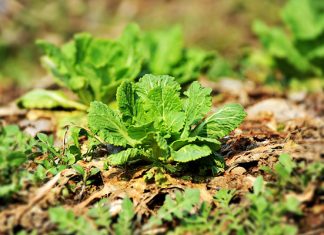
Growing Chinese cabbage
While deemed a ‘weed’ in countries such as Kenya and Zimbabwe, Chinese cabbage is a popular vegetable on local markets.
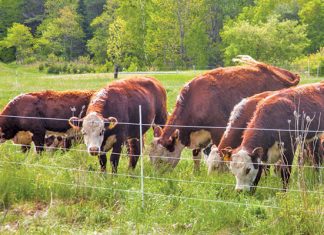
Biosecurity measures on an animal farm
With the increasing spread of infectious diseases, biosecurity needs to be taken seriously on every livestock farm.
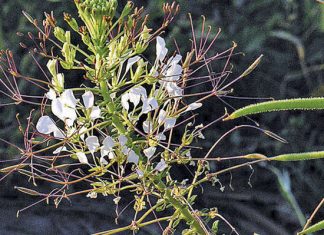
Cultivating cleome
Also known as oorpeultjie, lerotho and mazonde, this herb is a rich source of nutrients, especially vitamins A and C and the minerals calcium and iron.
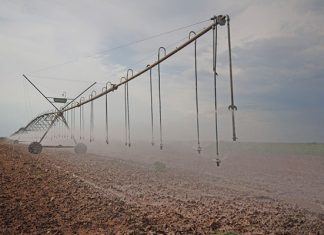
An app for every farming task
Mobile applications make life more convenient for farmers while enabling them to be more productive. Glenneis Kriel reports on a number of apps that are changing the way farms are run.
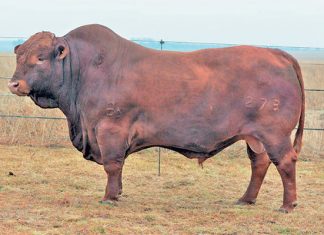
When performance fails to live up to breeding values
Discrepancies between estimated breeding values and livestock performance have led some farmers to doubt the accuracy of these values. They are, in fact, excellent indicators, but animals may not be able to reach their genetic potential.
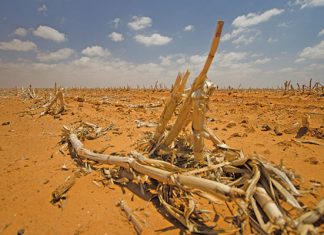
Rebuilding a livestock enterprise after a drought
In this article, Dr Louis du Pisani, national manager for production advice and development at the National Wool Growers’ Association, explains how to carry out post-drought recovery and reconstruction of a livestock enterprise to achieve optimal, lasting results.
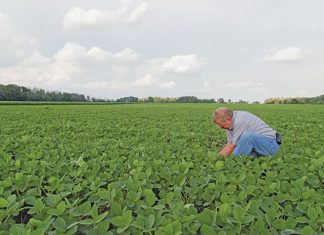
Don’t allow change to catch you napping
At times, new developments might seem to come like a bolt out of the blue. But if you keep up with trends, you’ll be forewarned of change and have time to adapt, writes Roelof Bezuidenhout.
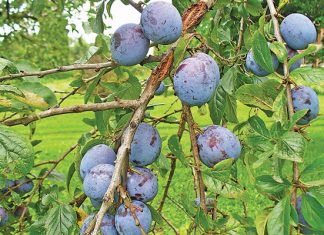
Plum production: an overview
Most plums are consumed fresh. The remainder are processed and used as canned or dried fruit.
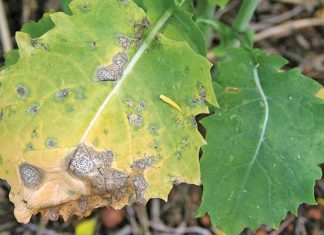
Common cabbage diseases
Cabbage is vulnerable to several diseases. All can be controlled to a greater or lesser extent, but in some cases the only solution is to plant a resistant variety.
- ADVERTISEMENT -
- ADVERTISEMENT -
MUST READS

- ADVERTISEMENT -



