
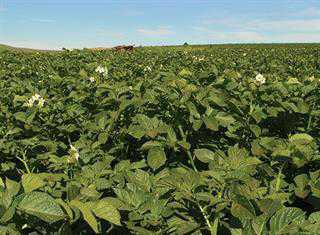
Getting started with potatoes -Part 1
Small farmers in rural areas can make a profit selling potatoes directly to the community, says Bill Kerr.
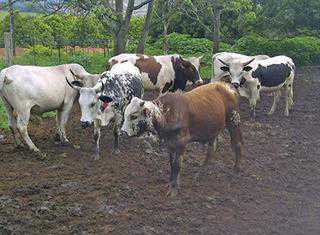
Dealing with disease – Part 2
Preventing exposure to disease in the first place is the fourth and final step in disease prevention.
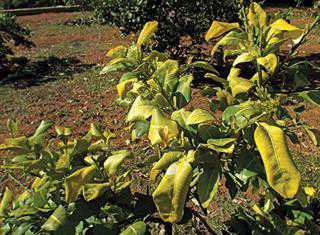
About phytotoxicity
Sometimes, your crops will be ‘allergic’ to certain chemicals, warns Paul Donovan.

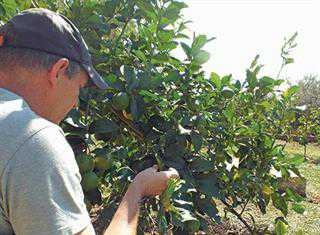
Get a crop scout to check your lands
A good crop scout can be a valuable asset to the farmer, says Paul Donovan.
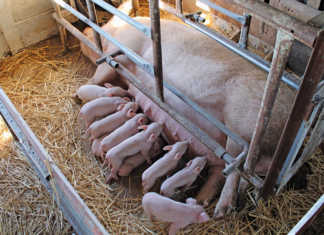
Sows on heat: guidelines to follow
Sows and boars should be paired only when they are about eight months old, even though they reach sexual maturity before this.
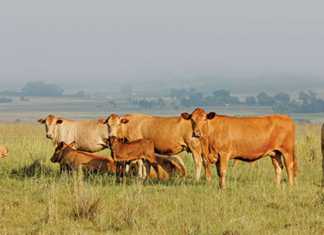
5 signs your cattle are on heat
For the most profitable results, get to know the basics of cattle reproduction and herd management.
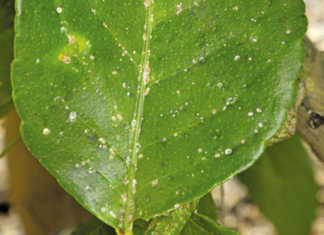
Know your crop pests: Red scale
Red scale, a sap-sucking insect, is one of the most disruptive pests in the citrus industry.
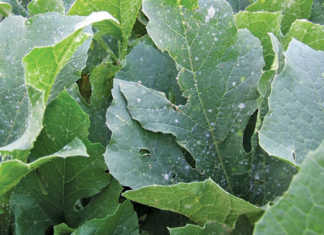
Starting with pumpkins – Part 3
If a few simple precautions are taken, this crop is easy to grow, explains Bill Kerr.
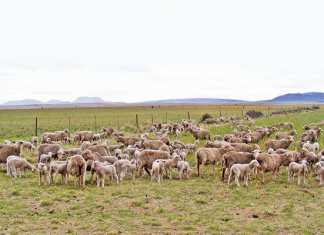
When your sheep are on heat
Reproductive potential can be impaired if ewes are used for breeding too early.
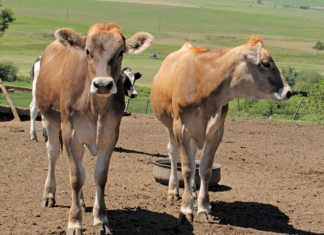
Feeding replacement dairy heifers up to first calving
Heifers must come into production as soon as possible, but care must be taken to prevent them from getting fat.
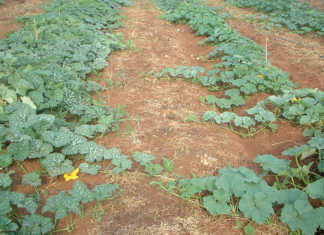
Starting with pumpkins – Part 2
Having attended to land preparation, the next consideration is which pumpkin variety to choose.
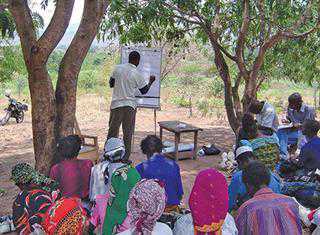
Small-scale farmers – preparing for unity
Small-scale farmers have a role to play in the modern economy, but they must first get their act together.
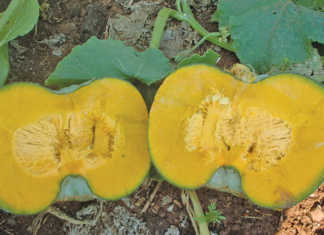
Starting with pumpkins – Part 1
Get the basics right for pumpkin production: start with a soil analysis, and then use cattle and poultry manure, says Bill Kerr.
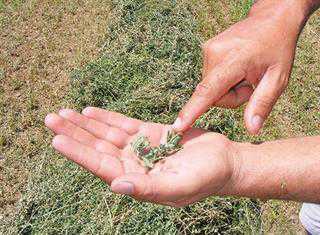
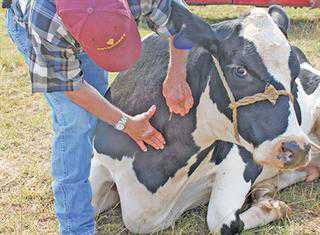
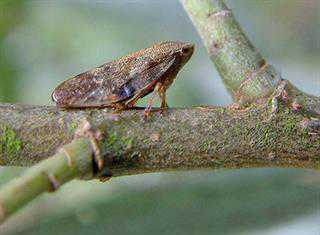
Know your crop pests: Leafhoppers
Leafhoppers are small (less than 1cm in length), slender-bodied insects with pointed, wedge-shaped heads and large eyes.
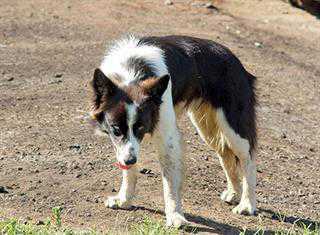
Understanding zoonosis
Livestock can be carriers of diseases that can make you ill and might even be fatal, warns Paul Donovan.
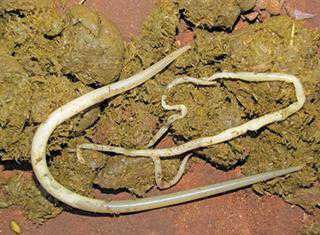
Common zoonotic diseases
These diseases can be life-threatening, so it’s important to understand how they are contracted, says Paul Donovan.
- ADVERTISEMENT -
MUST READS

- ADVERTISEMENT -
- ADVERTISEMENT -