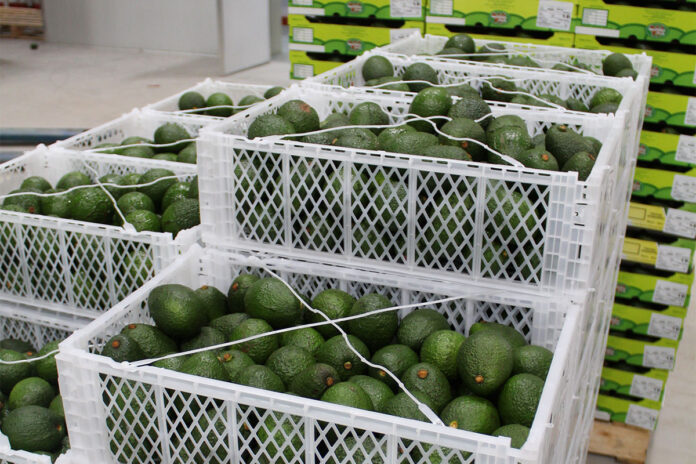
South Africa exported 21 million 4kg cartons, nearly 16% more than the previous year. However, Derek Donkin, CEO of Subtrop, told Farmer’s Weekly that the strategy of moving large volumes into the EU before Peruvian fruit arrived had not played out as hoped.
“Peruvian and Brazilian growers followed a similar strategy, so large volumes arrived early in the season at the same time as significant South African volumes. By week 17, the market was oversupplied and volumes remained high for a considerable part of the season, putting prices under pressure,” Donkin explained.
Prices improved towards the latter part of the season, but declined again when Kenyan volumes entered the market.
The Absa AgriTrends Spring 2026 report noted that the season had highlighted the growing importance of getting fruit to market at the right time. Above-average rainfall and persistent wet conditions in Limpopo and Mpumalanga delayed harvesting in some areas, disrupting South Africa’s traditional early-season export programme.
This increased the overlap with Peru, which accounts for more than 30% of global avocado exports, while competition from Kenya, Colombia and Morocco is also increasing.
With production continuing to expand, Absa said the challenge was shifting from increasing volumes to ensuring that fruit could be placed profitably. One option was greater use of later-maturing Hass-type cultivars, particularly Lamb Hass, to extend South Africa’s export season and potentially reduce exposure to peak Peruvian supply.
Finding alternative markets would also be important, but these were unlikely to provide a quick solution.
Speaking at the launch of the AgriTrends report in September during Nampo Cape, Zama Sangweni, agricultural economist at Absa AgriBusiness, said the focus needed to extend beyond gaining market access.
“Avocado production has grown significantly, but our main market, the EU, is quite saturated. We now need to focus on extracting more value from our markets. Market access does not mean market development. We need to create demand in new markets such as China, understand what consumers there require and supply accordingly.”
Donkin noted that the vast majority of South African exports went to the EU this year.
“We sent very small volumes to India as the high import tariff is prohibitive, while exports to the Middle East were limited by the war. Only a few consignments went to China and none to Japan.”
China currently requires South African avocados to undergo methyl bromide treatment for phytosanitary purposes. Subtrop had applied through the Department of Agriculture for China to consider a systems approach instead.
“Methyl bromide is not ideal for the environment, as it can damage the fruit and increase the risk of exporting to China. We believe these issues will be resolved, but China is still a relatively small, growing market that can quickly be oversupplied by a country such as Peru. Growth there will therefore be slow,” Donkin said.
Japan requires cold treatment as a phytosanitary measure, which also carries a high risk of fruit damage. South Africa is seeking a systems approach, but Donkin said resolving this could take several years. The EU would therefore remain South Africa’s dominant market for the foreseeable future.
Donkin said there was nevertheless reason for optimism, as demand continued to grow in the EU while expansion in Peruvian supply was slowing as new plantings had largely ceased. El Niño was also expected to affect Peru’s 2027 crop, potentially reducing the volumes reaching the EU.
“The EU will still be our major market in 2027, while we continue working to open new markets. However, growth in those new markets is expected to be slow,” Donkin said.