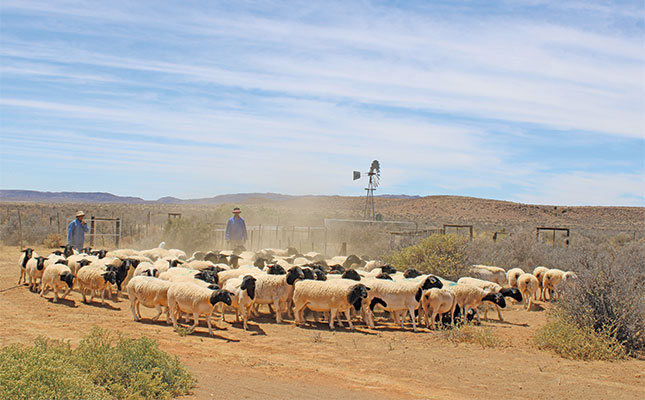
One of the most effective ways to address this need is by integrating practical training with real-world agricultural operations.
At Agri Skills Transfer, we’ve dedicated more than two decades to equipping young professionals with the essential skills they need to thrive in the agriculture sector. One of our most exciting initiatives has been the development of a sheep feedlot as part of a practical training farm, a project that’s setting new standards in agricultural education in South Africa.
Game-changer in agricultural training
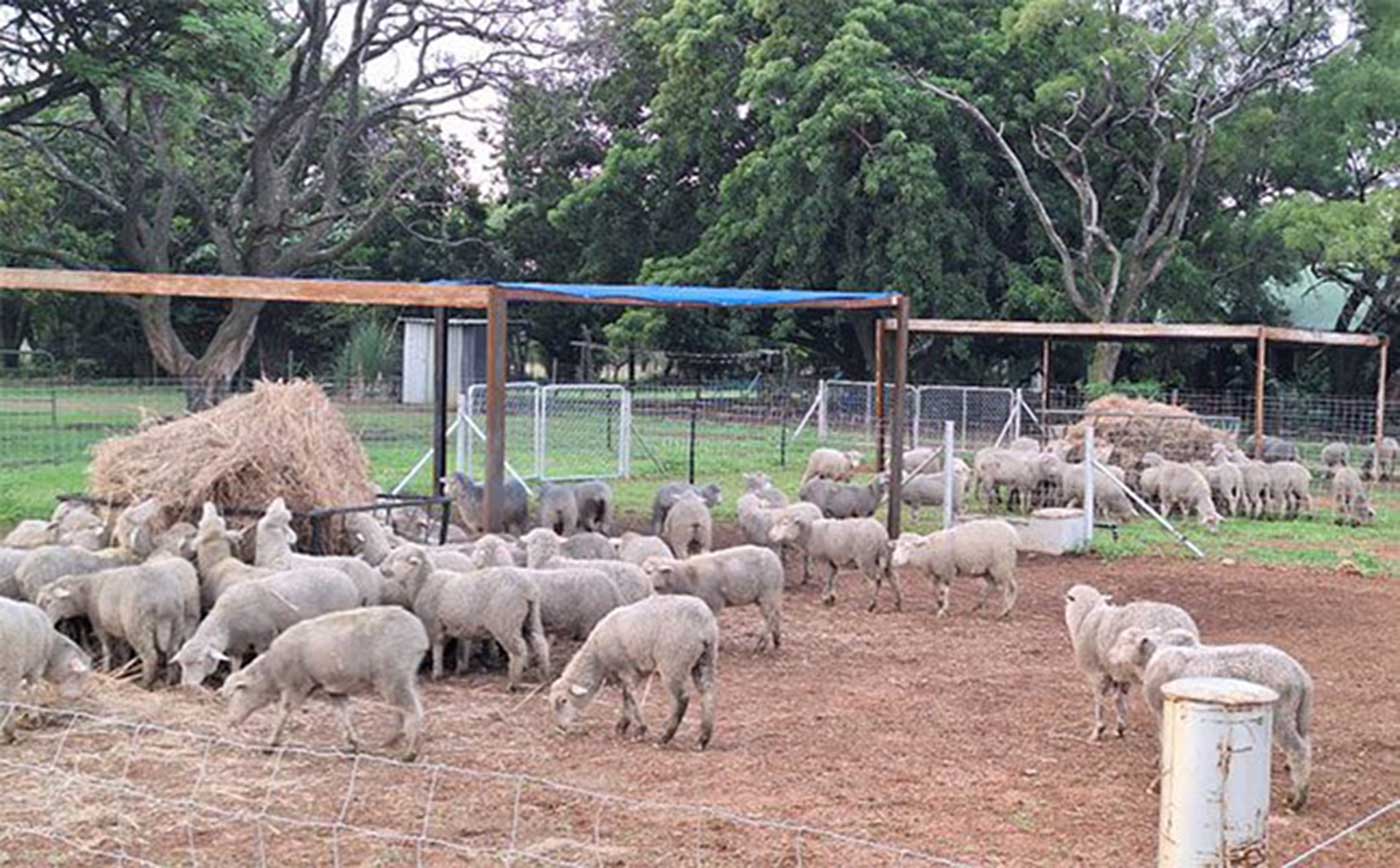
The creation of a sheep feedlot on a functional training farm marks a significant milestone in agricultural training. Not only does this project allow for hands-on experience in livestock management, but it also integrates advanced practices in feedlot management, animal welfare, and sustainable agriculture.
This feedlot is the first of its kind in South Africa, providing a unique opportunity for students and aspiring farmers to engage in a real-world, commercially viable operation.
The feedlot is more than just a facility; it serves as a living classroom, where students can witness the day-to-day operations of a livestock business, including feeding regimes, animal health monitoring, and growth performance tracking. It also offers training in the latest practices for optimising feed conversion rates, managing animal nutrition, and ensuring animal welfare in confined spaces.
Importance of practical training in livestock handling
In agricultural education, practical training is often the missing link between theoretical knowledge and real-world success. Understanding the biology of animals, nutrition, and breeding is essential, but the ability to handle livestock in a productive and humane way is a skill that can only be developed through direct, hands-on experience.
Livestock handling encompasses a wide range of skills, from moving animals safely and efficiently to managing their daily care in a way that ensures high productivity and welfare. These are the kinds of practical, on-the-ground skills students gain by working directly with the sheep feedlot.
Our training covers various aspects of livestock handling, including:
- Animal behaviour: understanding how livestock respond to their environment and how to handle them in a calm and safe manner.
- Health management: administering vaccinations, disease prevention, and knowing when and how to treat common illnesses.
- Feeding strategies: learning how to develop balanced rations for optimal growth and health.
- Breeding and genetics: implementing selective breeding programmes to improve flock productivity and quality.
Students also learn the critical aspects of sustainable farming practices, ensuring feedlot operations not only focus on profitability but also on minimising their environmental footprint.
Agri skills transfer’s case study: building the sheep feedlot
Agri Skills Transfer took on the challenge of constructing a modern and functional sheep feedlot as part of its broader commitment to developing a skilled agricultural workforce. The feedlot itself is designed to reflect the best industry practices and provides a real-world environment where students can understand the complexities of large-scale livestock management.
The construction of the sheep feedlot involved the collaboration of agricultural experts, construction specialists, and animal husbandry professionals to ensure the facility met all necessary standards for animal welfare, operational efficiency, and sustainability.
The facility is capable of accommodating a large number of sheep, and the design takes into account factors such as:
- Animal comfort: ensuring the sheep are housed in a way that reduces stress and promotes healthy growth.
- Feeding and watering systems: advanced automated systems that ensure the animals receive optimal nutrition while minimising waste.
- Waste management: incorporating environmentally friendly practices, such as composting and waste-to-energy systems, to ensure the feedlot is not only profitable but also sustainable.
- Technology integration: implementing real-time monitoring systems for tracking animal health, weight gain, and feed consumption.
Unique in South Africa
While feedlots are a common feature of commercial livestock production around the world, incorporating one into a training farm environment on this scale is a groundbreaking initiative in South Africa.
The key differentiator of this project is its focus on education and skills transfer in real time, providing students and new entrants to the agriculture sector with direct exposure to the operational aspects of large-scale livestock production.
This first-of-its-kind training facility will allow students to understand the intricacies of running a modern feedlot operation, equipping them with the knowledge and experience required to manage or operate similar ventures in the future.
This level of practical training is essential in an industry that’s becoming increasingly technical, requiring workers to not only understand animal welfare and farming practices but also the importance of data analytics, automation, and sustainable practices.
Agri skills transfer’s role in shaping the future of agricultural education
At Agri Skills Transfer, our primary goal is to bridge the gap between theoretical learning and practical application in agriculture. Through hands-on training programmes like the sheep feedlot project, we’re able to offer young professionals the tools they need to succeed in a highly competitive and evolving sector.
Our training approach is built on years of experience and a deep understanding of the sector’s needs. As a result, the sheep feedlot training programme provides:
- Comprehensive skill development: participants not only gain an understanding of livestock management but also learn business management skills, from budgeting to marketing.
- Exposure to industry standards: students are introduced to the latest technologies and industry standards that will set them apart in the job market.
- Sustainability focus: we emphasise sustainable farming practices, making sure students are equipped with the skills needed to balance productivity with environmental stewardship.
- Networking opportunities: students engage with sector leaders, agribusinesses, and potential employers, fostering relationships that can lead to future job opportunities and partnerships.
Future prospects and expanding the impact
The success of this project is only the beginning. As the feedlot training facility continues to operate, we plan to expand its reach and capacity, allowing even more students to benefit from this unique opportunity.
“Our goal is to create a network of practical training farms across South Africa, each offering hands-on training in different aspects of agricultural production, from crop management to livestock handling,” says Shaun Welmans, chief operating officer at Agri Skills Transfer.
We also aim to partner with local and international agribusinesses to create additional career pathways for graduates, ensuring the training provided at Agri Skills Transfer directly translates into viable employment opportunities.
Shaping the future of agriculture in South Africa
The integration of livestock handling and practical farming experiences into agricultural training programmes is crucial for the future success of South Africa’s agricultural sector. By equipping young professionals with the theoretical knowledge and practical skills needed to succeed, initiatives like the Agri Skills Transfer sheep feedlot are helping to develop a more skilled, adaptable, and innovative workforce.
As the first training farm of its kind in South Africa with its own feedlot, this project is setting new benchmarks in agricultural education and showing the potential for combining education with real-world agricultural production.
We invite all stakeholders – farmers, agribusinesses, and agricultural educators – to join us in advancing this vision, ensuring the future of South African agriculture remains strong, sustainable, and capable of meeting the challenges of tomorrow.
VFor more information visit agriskills.net, phone 012 002 3723, or email [email protected].